

Your Guide to Choosing the Best Customized Zipper Bag Manufacturer
2026-06-09
Finding the right customized zipper bag manufacturer can feel like a maze of options, but the wrong choice could cost you quality and time. Whether you're after unique designs or durable materials, the stakes are high. That's why Kody stands out—blending over a decade of expertise with a fresh approach to customization. In this guide, we'll break down what really matters when vetting manufacturers, so you can skip the guesswork and partner with a team that treats your brand like its own.
Decoding Material Integrity: What Goes Into a Durable Zipper Bag?
When it comes to a zipper bag that won't quit, the resin itself sets the foundation. Most truly resilient options lean on polyethylene or polypropylene that's been engineered for tear resistance and flexibility. It's not just about picking a polymer, though—film thickness, measured in mils, and thoughtful additives like UV inhibitors or anti-static agents alter how the bag behaves over time. Some manufacturers push things further with co-extrusion, layering different plastic profiles to marry stiffness, clarity, and a sure seal without compromise.
The zipper track deserves just as much scrutiny as the film. A durable closure relies on profiles that hold their shape through thousands of cycles; those made from carefully selected polypropylene or nylon blends tend to resist warping and stay aligned. The real test comes down to the bond between the zipper and the bag body. If the heat-seal parameters—temperature, dwell time, pressure—are off by even a small margin, the entire pouch can fail at the seam. That fusion has to happen at a molecular level, creating a joint that's often stronger than the surrounding material.
Durability isn't abstract; it shows up in how a bag handles extreme cold without turning brittle or how it withstands punctures from odd-shaped contents. Industrial versions go through a battery of abuse—drop tests, seal-strength pulls, accelerated aging—to prove they can shrug off what daily life throws at them. In the end, a sack that stays intact and keeps its grip isn't an accident. It's a deliberate balance of raw material science and exacting process control, tuned for the messy, unpredictable ways people actually use them.
Customization Beyond Color: Unlocking Unique Design Features
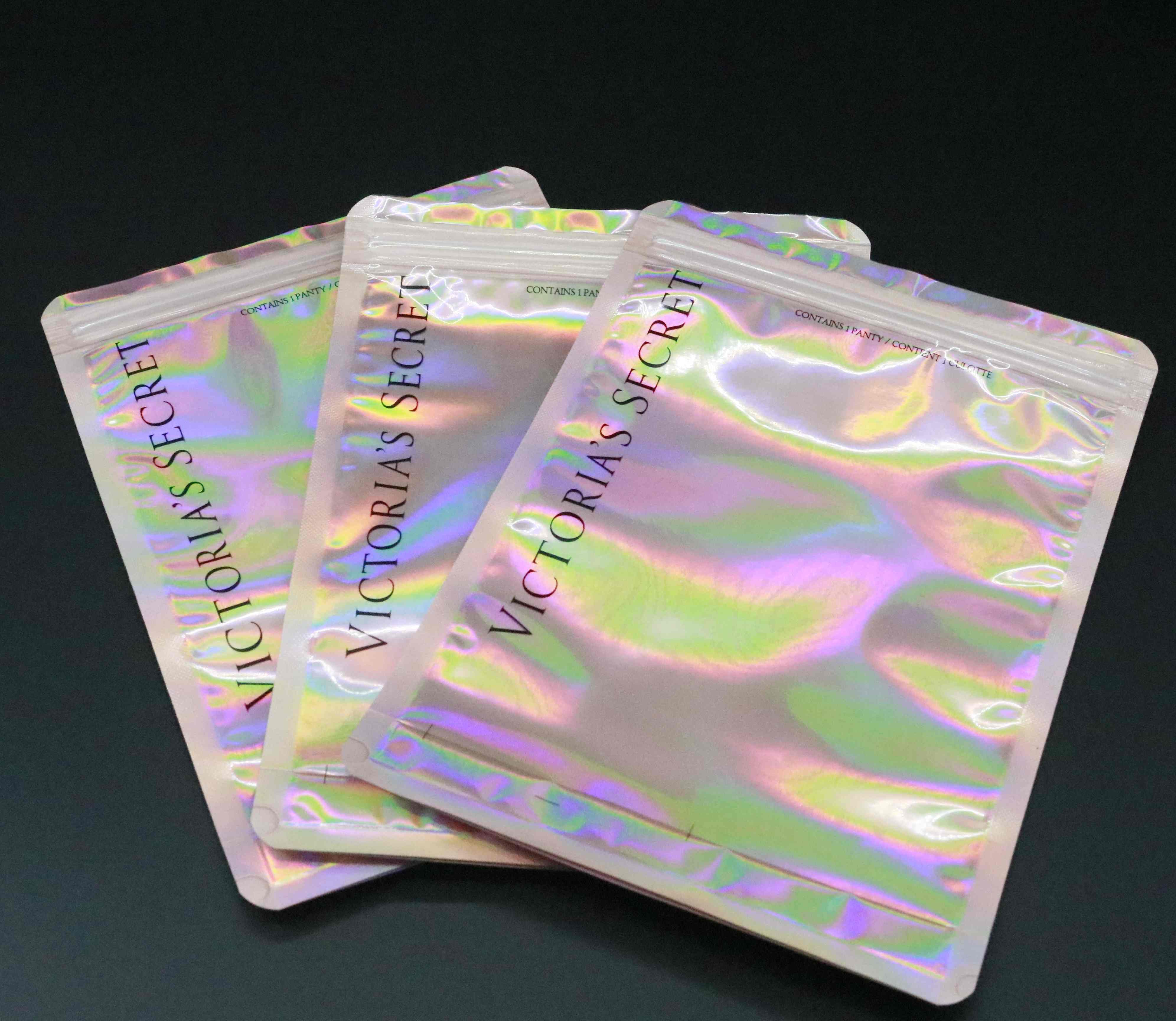
True personalization goes far beyond picking a shade from a palette. It’s about shaping the very soul of an object—altering textures, materials, and structural details to match an individual’s vision. Imagine a chair not just in your favorite hue, but with armrests contoured precisely to your posture, or a lamp whose perforated shade pattern you sketched yourself. This depth of customization transforms everyday items into extensions of personality, where every seam, joint, and finish tells a deliberate story.
Designers are now offering toolkits that let users tweak functional elements traditionally locked behind production lines. From adjustable shelf angles in a bookcase to interchangeable grip modules on kitchen tools, the possibilities expand exponentially. One notable approach involves modular components that snap together in countless configurations, allowing owners to adapt their pieces as needs evolve. A single sofa frame might shift from a formal reception setup to a cozy lounge corner simply by rearranging its backrests and arm cushions—no tools required.
The real magic happens when custom details introduce unexpected sensory layers. Think tabletops inlaid with hand-finished copper that slowly develop a patina unique to your home’s humidity, or acoustic panels featuring laser-cut motifs that double as sound diffusers. These features aren’t just aesthetic; they engage touch, sound, and even smell, creating a holistic experience no mass-produced piece can replicate. By stepping away from cookie-cutter options and embracing such open-ended design systems, people end up with objects that feel almost alive—continuously shaped by their own hands and habits.
The Craftsmanship Factor: How Manufacturing Precision Impacts Longevity
Walk through any workshop and you'll notice the quiet hum of tools that have survived decades. It's no accident—precision manufacturing leaves its mark in ways that raw assembly never can. When components fit together with microscopic tolerances, there's less friction, less wear, and ultimately, fewer points of failure. This isn't about luxury; it's about a fundamental respect for the materials. A perfectly machined gear tooth, for instance, distributes load evenly, resisting fatigue long after sloppy counterparts have chipped or cracked. That extra attention during production quietly adds years to a product's life.
The real magic happens in the details no one sees. Consider the surface finish on a shaft: a mirror-smooth coating isn't cosmetic—it prevents micro-abrasion and keeps lubrication where it belongs. Similarly, heat-treated alloys, painstakingly regulated during casting, resist corrosion in ways that off-the-shelf metals can't match. These aren't features you tick on a spec sheet; they're the cumulative effect of a maker who refuses to cut corners. Over time, those decisions compound, separating things that crumble from those that become heirlooms.
It's tempting to equate precision with rigid, robotic production lines, but craftsmanship thrives on the human touch. An experienced machinist's hand on a manual lathe can sense subtle vibrations that a computer might ignore, adjusting in real time. This feedback loop, honed over years, infuses a physical soul into each piece. When that care meets modern measurement tools—think laser alignment or ultrasonic testing—the result is a product that laughs at obsolescence. Ultimately, longevity is built not just from better parts, but from a philosophy that every micron matters.
Sampling Protocols: Testing Before Committing to Large Orders
Getting a few units in hand before signing off on a bulk purchase isn’t just cautious—it’s smart business. A sample lets you check the actual feel, weight, and finish of a product, things that spec sheets rarely capture. One supplier’s “stainless steel” might feel flimsy while another’s feels solid, and that difference can make or break your customer experience. It also gives you a chance to spot subtle defects or inconsistencies that could snowball across a full shipment. When the sample turns out to be subpar, you’ve saved yourself a headache and the cost of dealing with returns or angry clients later.
There’s a right way to go about sampling though, and rushing in without a plan can backfire. Specify upfront what you’re testing for—durability, color accuracy, packaging—so the factory knows you’re serious and not just kicking tires. It’s also worth ordering from a few different candidates rather than betting everything on one, because side-by-side comparisons reveal nuances you’d miss otherwise. Once the samples arrive, put them through real-world use, not just a quick once-over. If it’s a textile, wash it a few times; if it’s a gadget, use it daily for a week. That kind of scrutiny separates the polished prototypes from the products that’ll hold up when it counts.
Turnaround Time Tactics: Balancing Speed with Quality Control
Most teams treat speed and quality like a zero-sum game, but that mindset often creates the very bottlenecks they fear. Instead of piling on rush requests or skipping steps, the real leverage comes from designing workflows that fold quality checks into the fast lane. Think parallel review streams, pre-validated templates, and automated linting that catches flaws without human lag. When quality becomes a seamless part of the process rather than a gate at the end, turnaround times shrink naturally.
A smarter approach is to triage work before it even starts. Not every task needs the same level of rigor. Segment projects by risk—low-stakes updates can fly through a lightweight checklist, while high-impact changes get a deeper, more collaborative review. Equally important is timing your feedback loops. Micro-submissions that can be reviewed in real time prevent the crushing pile-ups that happen when you wait for a massive draft. This way, you're constantly moving, not waiting.
Beyond tools and rules, it's the team habits that make the difference. Daily stand-ups that flag blockers early, a shared understanding of what 'done' actually means, and the courage to push back on unrealistic deadlines all help. You also need to track patterns—when a certain type of work always hits delays, that's a signal to refine your process, not just work harder. Balancing speed with quality isn't a one-time fix; it's a rhythm you build and adjust based on real project feedback.
Partnership Potential: Spotting a Manufacturer That Grows With You
A manufacturer’s willingness to grow alongside your brand often reveals itself in their approach to innovation. Look past polished sales pitches and probe how they’ve adapted their processes over time—maybe they’ve invested in new tooling to accommodate a niche request or quietly refined their supply chain to shave weeks off delivery. The ones worth betting on aren’t just reacting to pressure; they’re already tracking shifts in materials or consumer tastes and adjusting before you even ask. This forward-leaning instinct, rather than a rigid commitment to “how it’s always been done,” signals a partner ready to evolve with you.
Capacity flexibility is another tell. It’s easy for a factory to promise unlimited scale during the honeymoon phase, but the real test comes when you need to pivot—whether that’s ramping up production unexpectedly or pausing a line to tweak a design. Manufacturers that treat these moments as collaboration opportunities rather than disruptions tend to have a cultural mindset geared for long-term play. Ask not just about machine count or square footage, but about examples of past transitions: how they handled a client’s sudden design overhaul or integrated new packaging specs mid-run. Their stories will show whether growth feels like shared momentum or a tug-of-war.
The less obvious dimension is cultural alignment. A manufacturer’s ownership structure and decision-making pace often dictate how nimbly they can commit to your future. Family-run operations may offer stability and deeply personal attention, while founder-led ventures might mirror your own entrepreneurial pace. Probe softly: how do they resolve quality disputes? What happens when an order requires last-minute creativity? The answers matter more than any certificate on the wall. When the ethos of endurance and curiosity is baked into their team—evident in how they train apprentices or invest in community—you’ve likely found a partner whose growth trajectory can genuinely intertwine with your own.
FAQ
Focus on their production capacity, material sourcing practices, and ability to tailor designs to your exact specifications. A manufacturer that openly shares their quality control processes and offers physical samples before bulk production usually indicates reliability and attention to detail.
Durability comes down to the strength of the zipper mechanism, the thickness of the film, and the precision of the sealing. Ask about their tensile strength tests and whether they use reinforced edges or double-track zippers for heavy-duty applications.
You can often choose from matte or glossy finishes, holographic effects, child-resistant closures, tear notches, hang holes, and even custom shapes. Some manufacturers also offer variable data printing for batch codes or QR integration.
Without clear material documentation, you risk inconsistent product feel, hidden costs from inferior substitutes, or even compliance issues with food-grade or eco-friendly standards. A trustworthy manufacturer will provide full disclosure on their resin grades and additive usage.
Proximity can speed up sample turnaround and simplify communication, but overseas suppliers often provide greater cost efficiency and specialized expertise. The key is to evaluate their responsiveness during the inquiry phase—if they're slow now, they'll likely be slow on your orders.
Request that samples be made using the exact production line, not a separate prototyping setup. Also specify that the sample bag must include all components—zipper, film, seal, print—exactly as they'll appear in the full run. If possible, get a small pre-production trial batch.
For food contact, look for ISO 22000 or FDA compliance. For general quality, ISO 9001 is a baseline. If eco-claims matter, verify certifications like BSCI for social accountability or GRS for recycled content, and always ask for the certificate numbers to cross-check.
Many flexible manufacturers accept low minimums for initial runs, especially if you agree to a step-pricing model where per-unit costs drop as volume increases. Don't hesitate to discuss growth projections—they might reserve capacity or suggest ways to reduce upfront tooling costs.
Conclusion
Finding a manufacturer that truly understands your needs starts with looking past flashy promises and focusing on the tangible details. A reliable zipper bag isn't just about appearance—it's about the integrity of the materials, from the thickness of the plastic to the resilience of the zipper teeth themselves. You want a partner who can walk you through their material sourcing and explain why certain films or fabric backings hold up better under repeated use. Beyond durability, the real differentiator often lies in customization. Think beyond standard color options: can they incorporate unique prints, embossed logos, or even child-resistant closures without compromising the bag's structure? The manufacturer's craftsmanship becomes obvious when you put their samples to the test. Run your fingers along the seal, tug at the zipper from odd angles, pour in liquids to check for leaks—this hands-on scrutiny reveals how their precision (or lack thereof) will hold up across thousands of units.
But judging a factory isn't just about the product sitting on your desk. Pay attention to their development process: do they provide clear timelines that balance speed with thorough quality checks, or do they push for a rushed turnaround that might cut corners? A thoughtful sampling protocol often signals a partner who values your business enough to get the details right before a bulk order locks in a flaw. And perhaps most importantly, consider whether this is a manufacturer that can scale with you—someone who treats your growth as part of their roadmap, offering evolving suggestions for cost-efficiency or design improvements without you having to constantly chase them. The best relationships don't feel transactional; they feel like a shared investment in getting the zipper bag right, time after time.
Contact Us
Contact Person: Cindy Lee
Email: [email protected]
Tel/WhatsApp: 8613622669331
Website: https://www.dgkody.com