

What Makes a Top UV Piezo Inkjet Printer Maker? Key Selection Tips
2026-07-06
Finding a UV piezo inkjet printer that truly delivers on quality, speed, and durability can feel like searching for a needle in a haystack. Even the most promising specs can mask real-world headaches—frequent clogs, inconsistent color, or zero after-sales support. So how do you spot a manufacturer that actually gets it right? It starts with engineering precision, transparent testing, and a brand that doesn’t cut corners. That’s where Danmajet comes in, redefining what a top-tier maker looks like. Below, we unpack the key selection tips that separate genuine leaders from the rest—and why your next printer investment depends on them.
Precision at Its Core: Decoding Piezo Printhead Innovation
Piezo printheads operate on a principle that swaps thermal volatility for controlled mechanical deflection. Instead of using heat to create a vapor bubble that pushes ink out—an approach prone to inconsistent droplet sizes and fluid degradation—these systems rely on a piezoelectric crystal that physically bends when a voltage is applied. That bending directly displaces a volume of ink in the chamber, ejecting it through the nozzle with almost surgical predictability. The result is a droplet whose volume, speed, and trajectory can be tuned by nothing more than the waveform of the electrical pulse, giving engineers a level of command over the jetting process that thermal designs simply cannot match.
But the real innovation lies not just in the actuator itself, but in how modern printheads architect the fluid path to exploit this precision. Every channel, filter, and nozzle geometry is designed to maintain laminar flow and prevent air entrapment, which would smear the exactitude piezo technology promises. Meniscus control becomes a dance of surface tension and backpressure, managed through sophisticated ink supply systems that hold the ink just so at the nozzle plate. When you can fire droplets on demand, with sub-nanoliter accuracy, the application window swings wide open: functional printing of conductive traces, precision dosing of biologics, and 3D structural printing all become feasible not because the material is easier to handle, but because the ejection mechanism treats every single drop as an engineered event.
What truly sets apart leading-edge piezo printheads is the marriage of that mechanical precision with digital intelligence. Integrated drive electronics allow per-nozzle waveform customization, so that variations in nozzle performance across a row can be compensated for in real time. Closed-loop systems monitor deflection or pressure anomalies and adjust firing parameters without human intervention. This shifts the technology from a simple marking tool into a highly reliable manufacturing instrument—one where downtime is minimized not through brute-force cleaning cycles but through graceful, self-correcting operation. As industries demand tighter tolerances and more delicate materials, the printhead that can listen to its own performance and adapt instantaneously is the one that will define the next generation of additive and deposition processes.
Ink Matters: Matching UV Chemistry to Your Application
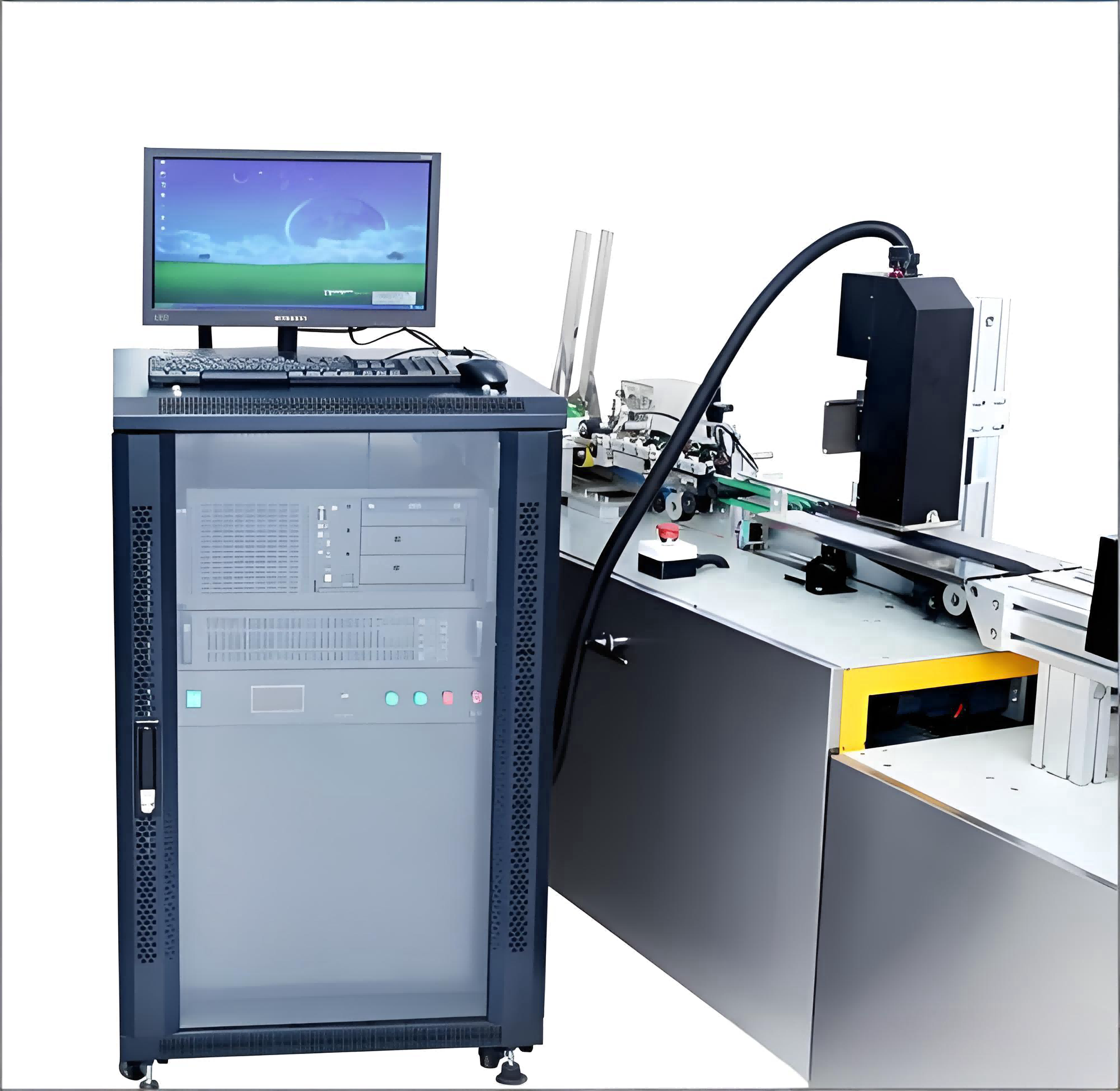
Diving into UV ink chemistry feels like stepping into a world where the right match can make all the difference. It's not just about sticking ink onto a surface; it’s about understanding how the ink flows, cures, and holds up under real-world abuse. Consider the way a label on a shampoo bottle needs to laugh off constant moisture, while a sign outdoors must stare down sunlight day after day without flinching. The secret lies in the resin and monomer blend—getting that wrong means the ink either refuses to cure or becomes so brittle it shatters at the slightest bend.
Then there's the adhesion puzzle. An ink that bonds beautifully to rigid plastic might slide right off a flexible film, leaving you with a mess instead of a message. We often test across a spectrum of substrates, pushing formulations until we find that sweet spot where the ink digs in and holds on, even when you stretch, scratch, or scuff it. It’s a bit like matchmaking—pairing the photoinitiator package with the right lamp output so the cure penetrates deep without overcooking the surface. Skip that step, and you’re left with a tacky finish that picks up dust faster than a lint roller at a cat convention.
Beyond the basics, think about the special demands of your project. Do you need low migration for food packaging, or maybe a soft-touch feel that invites people to pick up your product? Maybe you’re printing on a curved surface that demands high flexibility and instant cure so the ink doesn’t sag. These aren’t one-size-fits-all problems. That’s why we approach each application like a new challenge, mixing and testing until the chemistry aligns perfectly with what you’re trying to achieve. When it clicks, you get more than just print—you get performance that sticks around as long as your vision does.
Built to Last: Industrial-Grade Construction for 24/7 Duty
Inside every unit, you’ll find a backbone of stainless steel and thick-gauge aluminum—materials chosen not for marketing appeal, but because they shrug off impacts, corrosion, and thermal stress that would cripple lesser machines. Sealed bearing assemblies and hardened drive components take the friction and keep moving without complaint, shift after shift. This isn’t office-grade hardware; it’s built like a bridge abutment, over-engineered to stay rigid and precise when the work never stops.
We’ve moved cooling from an afterthought to a core structural feature. Instead of tacking on a fan and hoping for the best, the chassis itself incorporates milled heatsink channels and directed airflow paths that keep critical electronics at ideal temperatures even in 120°F foundries or sub-zero loading docks. Every circuit board is conformally coated against moisture and dust, so a sudden steam leak or a cloud of fine grit won’t trigger an unscheduled shutdown. The result is a system that treats environmental extremes as background noise, not emergencies.
Real-world durability means more than surviving a drop test on a spec sheet. We’ve watched these machines run 18-month continuous cycles in offshore salt-spray conditions, in bottling plants with near-constant washdowns, and in remote pumping stations where a service call costs more than the equipment. Bearings are rated for 70,000 hours, connectors are gold-plated to resist fretting, and the enclosure is gasketed to IP66—because when uptime is the metric that matters, everything else is just a compromise.
Smart Integration: Software, Workflow, and Connectivity Essentials
Bringing different software tools into a single, harmonious workflow often feels like solving a puzzle with mismatched pieces. Smart integration strips away that friction by letting applications share data and trigger actions across platforms without manual copy-pasting or constant tab switching. It’s the quiet engine behind teams that move faster, whether they’re syncing customer emails to a project board or piping live sales data into a forecasting dashboard.
Workflows become living systems instead of rigid checklists when integrations handle the repetitive stuff automatically. A well-connected stack can turn a support ticket into a task, assign it based on availability, and update the client in real time—all before a human even glances at it. This doesn’t just speed things up; it keeps the day from splintering into dozens of micro-interruptions that eat away at focus.
Reliable connectivity is the thread that holds all of this together. It’s not just about APIs and webhooks—it’s about designing a setup that stays upright when one service changes its rules or a sync unexpectedly fails. The best integrations are the ones nobody notices: they run quietly in the background, surfacing the right information at the right moment, and making the whole system feel like a natural extension of how the team already works.
Global Support, Local Response: Service That Minimizes Downtime
When a system hiccup turns into a full-blown outage, the difference between a minor inconvenience and a major crisis often comes down to how quickly someone shows up to fix it. Our network of engineers spans continents, but every response is anchored in the local context—language, time zones, and onsite familiarity. That means a technician in São Paulo isn’t just reading off a script; they understand the regional power grid quirks and can navigate the warehouse floor without a map. The result? Issues get diagnosed faster and resolved before they ripple outward.
We’ve built our support model around a simple truth: downtime doesn’t wait for business hours. Regional hubs are staffed with experts who carry the same certifications and hands-on experience as their global counterparts, but they’re also part of the community they serve. Spare parts are pre-stocked locally based on real usage data, not generic forecasts. So when a drive fails in Manila, the replacement is likely already in the city—not on a plane from Singapore. This blend of global bench strength and hyper-local readiness shrinks mean time to repair from days to hours, sometimes minutes.
Beyond the hardware fix, local presence means communication flows naturally. No customer wants to explain their downtime to a rotating cast of remote agents. Our field teams build rapport over time, learning the in-house jargon and the unwritten priorities of each facility. When they arrive, they’re not just carrying tools—they’re carrying context. That continuity turns a service call into a partnership, where preventing the next outage becomes a shared goal rather than a contractual checkbox.
Beyond Sticker Price: Calculating Your True Cost of Ownership
While the number on the windshield often steals the spotlight, it tells only a fraction of the financial story. Your true cost of ownership stretches far beyond that initial sum, weaving in depreciation, fuel or energy expenses, insurance premiums, maintenance, and even the interest on your loan if you're financing. These ongoing, less visible costs can quietly surpass the purchase price over the years you own the vehicle, turning what seemed like a great deal into a drain on your budget.
Depreciation is the silent giant here—the moment you drive off the lot, your car's value starts to slide, and that loss is money out of your pocket whether you realize it or not. Then there are the predictable yet often underestimated costs: replacing tires, routine servicing, and the unexpected repairs that don't fall under warranty. Fuel costs, too, fluctuate with your mileage and the whims of the oil market, while insurance rates shift based on factors from your zip code to the car's safety rating. Every mile you drive adds a small, cumulative toll that sticker prices conveniently ignore.
To truly gauge what a car will cost you, it's worth mapping out a five-year projection using tools that factor in these variables. Compare models not just by their tags but by their long-term reliability scores, fuel economy, and typical insurance brackets. A vehicle with a higher upfront price but legendary durability and efficiency might end up costing you less over time than a budget-friendly option that guzzles gas and demands frequent repairs. Ownership is a marathon, and the runner who looks beyond the starting line is the one who wins financially.
FAQ
Longevity in the industry often translates to refined engineering and a deep understanding of user needs. Check how long they've been around and whether they specialize in UV piezo technology rather than dabbling in it as a side venture. A manufacturer who has consistently evolved their designs over a decade or more is likely to offer machines that are both reliable and adaptable to various printing applications.
Don't just rely on glossy spec sheets. Ask about the printheads, drivers, and ink systems they use. Reputable makers often partner with established names like Ricoh, Konica Minolta, or Epson for printheads. Also, find out if they perform rigorous in-house testing. Genuine commitment to component quality shows in longer lifespan and consistent output, reducing downtime significantly.
UV piezo printers depend on precise ink chemistry to cure properly and adhere to different substrates. A top manufacturer will develop or co-develop inks specifically for their hardware, ensuring optimal droplet formation and cure speed. Using generic inks might void warranties and lead to clogging, color shifts, or poor adhesion. Always confirm that the printer and ink are designed as a unified system.
Beyond a 24/7 helpline, you want proactive support: remote diagnostics, readily available spare parts, and knowledgeable technicians who understand your workflow. A great maker also provides thorough training during installation and ongoing learning resources. Quick response times and a willingness to solve complex issues reveal how much they value your uptime.
The printhead is the heart of any inkjet printer. In UV piezo systems, piezo-electric heads offer precise control over ink droplet size and placement, which determines print resolution and grayscale capability. Higher-quality printheads handle thicker UV inks better and withstand frequent use. A maker that invests in advanced printhead integration can deliver sharper details and smoother color gradients.
Pay attention to the chassis material, linear motion components, and overall rigidity. A sturdy, well-machined frame reduces vibration, which is crucial for high-resolution output. Look for details like industrial-grade rails, robust UV curing lamps, and well-sealed electronics. Makers who prioritize build quality often offer longer warranties on structural parts, indicating confidence in their craftsmanship.
Absolutely. Low upfront prices can mask expensive proprietary consumables, mandatory service contracts, or frequent part replacements. Ask for a total cost of ownership estimate covering ink, printheads, UV lamps, and maintenance over three to five years. A transparent manufacturer provides clear, realistic projections. Also, verify if software updates are free or require a subscription.
Certifications like CE, FOC, or UL indicate adherence to safety and environmental standards, but they're just the baseline. Look for manufacturers that follow ISO quality management practices or have partnerships with ink and substrate suppliers. These signals show a commitment to consistent manufacturing and interoperability assurance, which means fewer surprises in your production environment.
Conclusion
A truly exceptional UV piezo inkjet printer manufacturer distinguishes itself through relentless focus on printhead precision and ink chemistry. Rather than offering generic components, the best makers invest in piezo printhead innovation that delivers consistent drop control, variable droplet sizes, and high resolution across different substrates. This technical core must be paired with a deep understanding of UV ink formulation—including adhesion, flexibility, curing speed, and chemical resistance—ensuring the system can handle your specific application, whether it’s rigid signage, packaging, or industrial decoration. Without this foundation, even the most rugged hardware falls short.
Beyond the print engine, look for printers built with industrial-grade materials and engineering that withstand round-the-clock production without temperature drift or mechanical wear. Equally important is how seamlessly the equipment integrates into your existing workflow: smart software, RIP compatibility, remote monitoring, and IoT connectivity can slash setup times and enable real-time adjustments. Service cannot be an afterthought—top providers couple global reach with locally stocked parts and technicians who speak your language, drastically reducing downtime. Finally, the purchase price is only one slice of the true cost; savvy buyers calculate energy consumption, ink waste, part longevity, and labor before deciding. The manufacturer that transparently supports this total-cost-of-ownership analysis is the one worth partnering with.
Contact Us
Contact Person: Jacky
Email: [email protected]
Tel/WhatsApp: 086 15000607053
Website: https://www.danmajet.com