

Vaginal Rejuvenation Laser: How to Choose the Right One
2026-07-15
Finding the right vaginal rejuvenation laser can feel overwhelming with so many options available. Whether you're a practitioner expanding your services or a clinic aiming to offer the most effective treatments, the technology you choose makes a critical difference. Each device promises lasting results, but not all lasers are created equal in terms of safety, comfort, and clinical outcomes. As a trusted name in the industry, GUANG TAI understands the nuances that matter. In this post, we’ll break down the key factors you need to evaluate so you can make a confident, informed decision for your practice.
What Does Vaginal Rejuvenation Really Mean?
The term "vaginal rejuvenation" gets thrown around a lot, but it’s rarely explained clearly. At its core, it’s a catchall phrase for procedures that aim to address functional or aesthetic concerns in the vaginal area. That can mean anything from tightening muscles weakened by childbirth to reshaping the labia or even treating urinary incontinence. It’s not just about how things look—for many women, the driving factor is physical discomfort, reduced sexual sensation, or a sense that their bodies don’t feel like their own anymore.
What often surprises people is that vaginal rejuvenation isn’t a single treatment. It spans surgical options like vaginoplasty and labiaplasty, as well as nonsurgical energy-based devices that use radiofrequency or laser to stimulate collagen. The results won’t be the same for everyone, and that’s why a good conversation with a specialist matters more than chasing a quick fix. Recovery, risks, and realistic expectations all come into play, and they vary wildly depending on the method chosen.
Ultimately, what it "really means" comes down to why someone is considering it. Maybe it’s about being able to laugh without leaking urine, or wanting to feel more connected during intimacy after menopause. It’s personal and often emotional—not just a cosmetic trend. Understanding that takes time, and it’s why the most thoughtful providers will spend more time listening than selling procedures.
Lasers, Lights, and Everything in Between
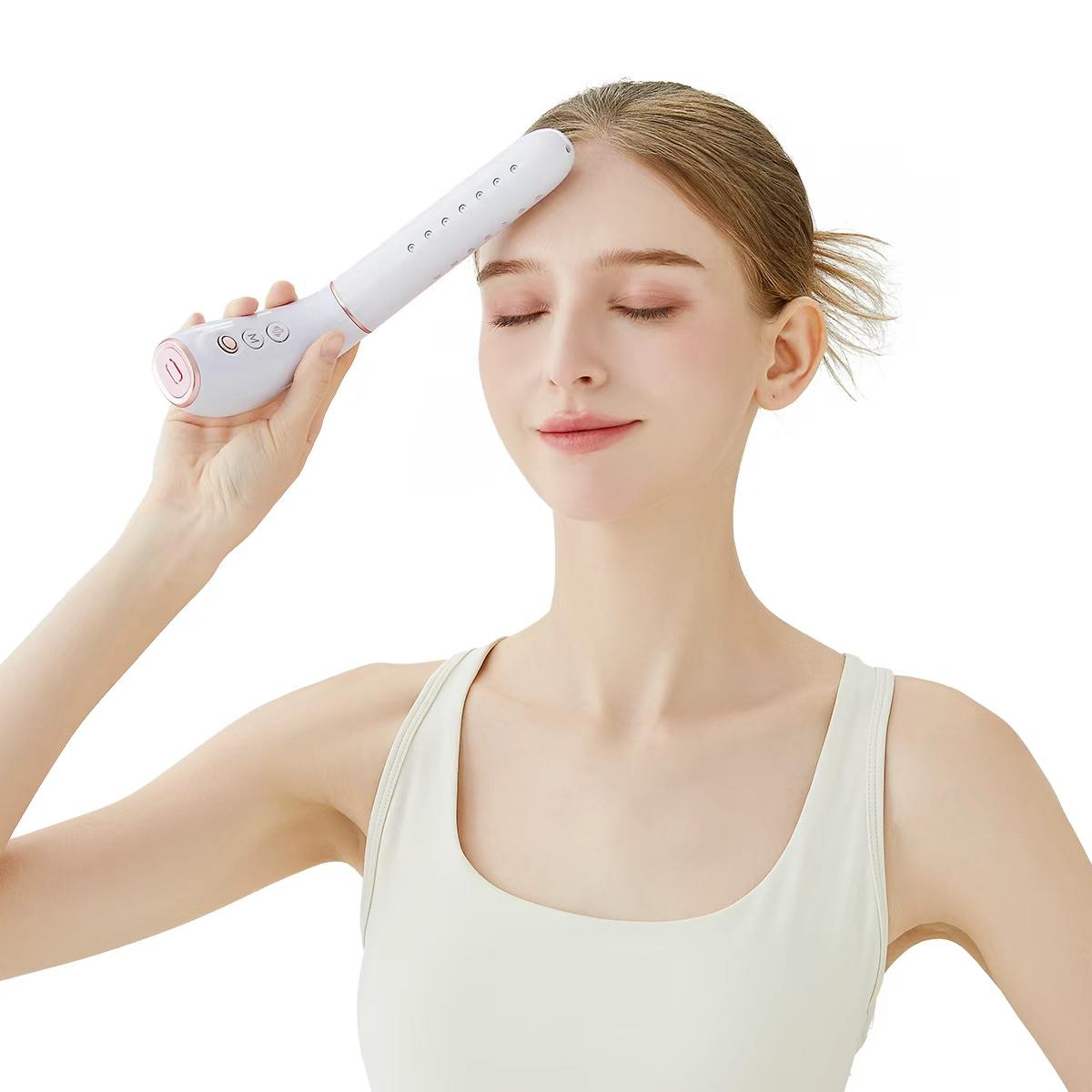
The world of aesthetic technology has moved far beyond simple one-size-fits-all treatments, and today's devices bridge the gap between gentle light therapy and powerful laser precision. When we talk about 'lasers, lights, and everything in between,' we're really describing a nuanced spectrum where each technology interacts with skin and tissue in distinct ways. While traditional lasers deliver a single, focused wavelength that excels at targeting specific chromophores like melanin or hemoglobin, broadband light devices spread their energy across a wider range, offering versatility and often a gentler touch. The 'in between' encompasses innovations like fractional lasers, picosecond bursts, and LED arrays that harness carefully modulated energy to stimulate collagen, fade pigment, or calm inflammation without the recovery time that older ablative methods demanded.
What makes this landscape so compelling is the shift toward personalized protocols—clinicians now mix and match wavelengths, pulse durations, and energy levels in a single session to address multiple skin concerns simultaneously. For instance, a treatment might start with a vascular laser to calm redness, transition to a picosecond laser for stubborn sunspots, and finish with a soothing LED panel to accelerate healing. This layered approach reflects a deeper understanding of how skin responds to different forms of energy, and it blurs the lines between terms like 'resurfacing,' 'rejuvenation,' and 'renewal.' The result is a custom-crafted experience that feels less like a singular procedure and more like a dialogue between the provider and the patient's unique biology.
Beyond the clinic, at-home devices have borrowed from this professional goldilocks zone, bringing microcurrent, low-level laser diodes, and gentle heat into daily rituals. These tools don't replace in-office treatments, but they extend and enhance them, creating a continuum of care that truly spans the gap from intensive correction to daily maintenance. The magic lies not in picking one technology over another, but in understanding how each fits into a broader strategy—where the bright flash of a Q-switch and the warm glow of an LED panel are simply different notes in the same melody of skin transformation.
The Practitioner Matters More Than the Machine
In an era where technology seems to dominate every facet of healthcare, it's easy to forget that the most sophisticated diagnostic tool is still the human mind behind it. Algorithms can crunch data, and imaging machines can reveal hidden structures, but they lack the nuanced perception that comes from years of clinical experience. A seasoned practitioner doesn't just see a set of symptoms; they sense the subtle interplay of factors that a machine might miss—the patient's unspoken fears, their life context, or a rare condition that falls outside standard protocols. This deep, intuitive understanding transforms raw data into a meaningful narrative, guiding treatment in ways no AI can replicate.
Beyond the technical expertise, the therapeutic relationship itself is a powerful catalyst for healing. Patients aren't just collections of data points; they respond to empathy, trust, and a sense of being truly heard. When a practitioner takes the time to connect on a human level, they unlock insights that no questionnaire or sensor can capture. This bond fosters adherence, eases anxiety, and often leads to better outcomes, because the patient feels supported and understood. Machines can deliver information, but they can't offer the reassuring presence or the compassionate ear that makes all the difference in a recovery journey.
Furthermore, the practitioner's role extends into the realm of ethical judgment and personalization. While a machine might recommend a treatment based on population-level statistics, a skilled professional knows when to deviate from the norm. They balance evidence with individuality, weighing risks and benefits through a lens shaped by personal experience and moral responsibility. This human touch ensures that care remains flexible, creative, and centered on the person rather than the protocol. It's this ability to navigate the gray areas—where rules are silent—that keeps the practitioner irreplaceable, regardless of how advanced our machines become.
Is There Real Evidence Behind the Claims?
When bold assertions flood the marketplace, a closer look at their foundations is often warranted. The credibility of any claim hinges not on how loudly it’s proclaimed, but on the rigor of the data and methodology behind it. Many times, what appears convincing at first glance crumbles under the weight of peer-reviewed scrutiny. Studies with small sample sizes, cherry-picked results, or a lack of control groups can create an illusion of validity where none truly exists. Genuine evidence, on the other hand, stands up to replication and independent verification.
It’s also worth questioning who is funding the research and whether there’s a conflict of interest masquerading as science. Industry-backed trials aren’t inherently flawed, but they demand a more skeptical lens. The difference between correlation and causation is another pitfall that frequently distorts public perception. Just because two things happen together doesn’t mean one causes the other, yet this subtlety is often glossed over in favor of a compelling narrative. Digging into the original sources—beyond press releases and truncated summaries—often reveals a far murkier picture.
Ultimately, the presence of real evidence isn’t a binary switch but a spectrum. Some claims have robust backing from multiple large-scale, long-term investigations; others rest on shaky preliminary findings that have been amplified beyond their merit. The key is learning to distinguish between the two, which means embracing nuance rather than seeking tidy yes-or-no answers. When someone insists the proof is “undeniable,” that’s usually the moment to start asking harder questions.
Matching the Treatment to Your Body’s Needs
Every body reacts differently to illness and healing, so a one-size-fits-all approach rarely works. Instead of following a generic protocol, effective care begins with listening to your body’s signals—how it responds to stress, diet, movement, and rest. By tuning into these cues, you can choose treatments that align with your unique rhythms, whether that means adjusting medication timing, exploring holistic therapies, or simply prioritizing sleep when your energy dips. The goal is to work with your body, not against it, honoring its natural wisdom.
Think of treatment as an ongoing conversation. What soothes you today might need tweaking tomorrow, and that’s perfectly normal. Pay attention to subtle shifts: a lingering fatigue that demands gentler exercise, a digestive change that calls for a lighter diet, or a mental fog that signals the need for more breaks. Keeping a simple journal can reveal patterns that help you and your practitioner make smarter, more personalized decisions. When care is shaped around your body’s real-time feedback, it becomes more sustainable and effective.
Matching treatment to your body also means questioning one-size-fits-all advice. Just because a supplement or therapy works for someone else doesn’t mean it’s right for you. Your genetic makeup, lifestyle, past traumas, and even your environment play a role in how you heal. Embrace trial and observation—give your body time to respond, and adjust accordingly. This dynamic, patient-led approach turns healthcare into a partnership, where you’re not just a passive recipient but an active participant in your own well-being.
Recovery and Results: What’s the Real Timeline?
Navigating recovery is rarely a straight path. Most people start noticing subtle shifts within the first few weeks—maybe sleeping a little deeper, or feeling less reactive during stressful moments. But the body and brain often heal in layers, and real, lasting results usually unfold over several months. This isn’t about quick fixes; it’s about building a foundation that holds up over time.
Around the one-month mark, many report a clearer mental space and fewer physical symptoms. By three months, those small improvements tend to compound—energy levels lift, emotional resilience strengthens, and daily tasks feel less daunting. The timeline isn’t the same for everyone, though. Factors like overall health, support systems, and how deeply the issue is rooted all play a part.
What matters most is consistency, not speed. Some people feel dramatically better at six weeks, while for others it takes half a year or more. Chasing an exact date usually backfires. Instead, focusing on small, steady wins helps you notice the gradual transformation that’s easy to overlook in the day-to-day.
FAQ
Think about your primary concerns first—whether it's laxity, dryness, or mild incontinence. Different lasers target different layers, so an in-person consultation is key. Also check the provider's experience and whether the device has FDA clearance for the specific use.
CO2 lasers deliver more heat, which can stimulate collagen more aggressively, but they often require more downtime. Er:YAG lasers are gentler with minimal discomfort and faster recovery, though you might need more sessions to see similar results.
Non-ablative lasers don't remove tissue, so the risk of burns or scarring is lower. However, they might not be as effective for significant tightening. Ablative lasers can produce more dramatic changes but need a skilled hand to avoid complications.
Most women notice improved lubrication and some degree of tightening, with mild stress incontinence often reduced. It's not a facelift-type change—think subtle, natural rejuvenation. Full results usually appear after 2-3 sessions over several months.
With non-ablative lasers, you can resume normal activities almost immediately, maybe with slight redness for a day. Ablative treatments might cause spotting and discharge for up to a week, and you'll need to avoid intercourse and tampons for 4-7 days.
If you're pregnant, have active infections, or a history of certain gynecological cancers, you'd likely be advised against it. Also, those with unrealistic expectations or very severe prolapse may need surgical alternatives.
Yes, they can be particularly helpful for vaginal atrophy and dryness due to declining estrogen. The laser stimulates new blood flow and collagen, which can restore tissue health without hormones—a big plus for those who can't use estrogen therapy.
Ask about their training specifically for vaginal lasers, how many procedures they've done, and whether the device is FDA-cleared for intravaginal use. Board-certified gynecologists or urogynecologists with dedicated cosmetic laser experience are your best bet.
Conclusion
When considering a vaginal rejuvenation laser, it’s important to first clarify what “rejuvenation” actually entails—whether it’s improving laxity, dryness, or mild stress incontinence. The market offers an array of devices, from fractional CO2 lasers to radiofrequency-based systems, each claiming to boost collagen and restore tissue. However, the technology itself is only part of the equation; the skill and experience of the practitioner matter far more. A reputable provider will prioritize safety, tailor the treatment to your anatomy, and openly discuss the strength of clinical evidence behind their chosen device, rather than relying on exaggerated marketing.
Matching the procedure to your body’s unique needs requires a personalized assessment—there is no universal best laser. Some people respond better to gentle, non-ablative options, while others may need more intensive approaches. Recovery times vary, but most women experience minimal downtime, with gradual improvements appearing over several months as new collagen remodels the tissue. Realistic expectations are key: the right choice is one guided by a trustworthy expert who focuses on functional outcomes and your comfort, not just quick fixes.
Contact Us
Contact Person: Leon Yi
Email: [email protected]
Tel/WhatsApp: +86 17363316873
Website: https://zzgt.en.alibaba.com/