
Substantial Alkyl Polyglycoside Applications Driving Sustainable Surfactant Innovation
2026-08-09
Surfactants are the unsung heroes behind countless everyday products, yet their environmental toll often remains hidden. Alkyl polyglycosides are quietly reshaping the industry with their renewable origin and gentle chemistry, sparking a wave of sustainable innovation. From household cleaners to industrial formulations, these sugar-based molecules are proving that high performance and eco-consciousness can coexist. But what truly sets them apart in a crowded market? As brands like HAISEN push the boundaries of application, the answer lies in a blend of cutting-edge research and real-world adaptability. Let's explore how this shift is redefining the future of green chemistry.
Redefining Green Chemistry with APG-Driven Formulations
The pursuit of genuinely sustainable chemical processes has moved beyond mere regulatory compliance, and Alkyl Polyglucoside (APG) surfactants stand at the vanguard of this transformation. Derived entirely from renewable feedstocks—typically fatty alcohols from coconut or palm kernel oil and glucose from corn or potatoes—APGs embody the principles of green chemistry at the molecular level. Their benign profile is not a compromise but a deliberate design: they degrade readily in the environment, exhibit exceptionally low aquatic toxicity, and offer a unique combination of mildness and efficacy that petroleum-based counterparts struggle to match. This convergence of performance and planetary responsibility is redefining what it means to clean, emulsify, or disperse in both industrial and consumer contexts.
What truly sets APG-driven formulations apart is their architectural versatility, which allows chemists to fine-tune properties simply by adjusting the alkyl chain length or the degree of polymerization. A short-chain APG can act as a wetting agent, while longer chains deliver robust detergency and foam stability—all without introducing ethoxylates, sulfates, or other harsh chemistries. Moreover, they exhibit remarkable synergies with other green surfactants and polymers, enabling complex, high-performance systems that maintain a cradle-to-cradle ethos. This molecular precision ensures that product developers no longer have to choose between cleaning power, sensory appeal, and environmental integrity; they can engineer all three into a single, elegant formulation.
The ripple effects across industries are profound. From household cleaners that safeguard indoor air quality to agricultural adjuvants that minimize runoff toxicity, APG-driven formulations are dismantling the notion that sustainability requires sacrifice. In personal care, they enable sulfate-free shampoos that still lather luxuriously, while in industrial settings they replace toxic solvents without sacrificing degreasing speed. This shift is not just about ingredient substitution—it heralds a new philosophy where chemistry is guided by biological cycles, where every atom is accounted for, and where the end of a product’s life is as carefully considered as its performance. By redefining the benchmarks of green chemistry, APGs are proving that efficacy and ecology can advance hand in hand.
How Alkyl Polyglycosides Elevate Mildness in Personal Care
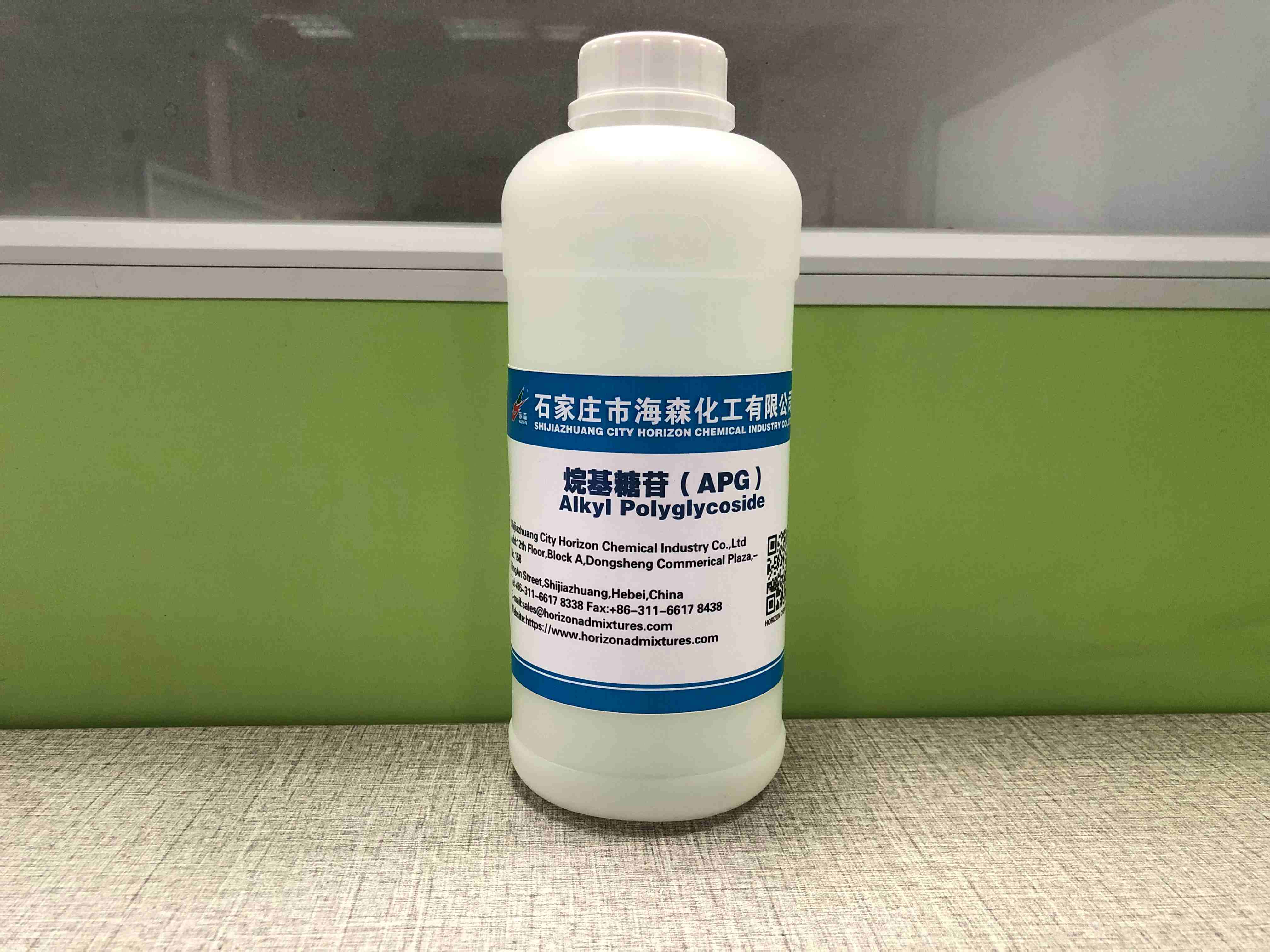
Alkyl polyglycosides achieve remarkable mildness by merging a natural sugar head with a fatty alcohol tail, creating a molecule that cleans without stripping the skin’s protective barrier. Unlike harsher surfactants that rely on sulfates, the glycosidic bond in APGs resists hydrolysis, allowing them to form gentle, cohesive micelles that lift away dirt and oil while respecting the skin’s lipid matrix. This structural balance means they cleanse effectively but avoid the over-degreasing that triggers tightness and irritation, making them a staple in formulations for sensitive skin.
Their mildness is further amplified by a compatibility with the skin’s natural pH and microbiome. APGs interact softly with the stratum corneum, rarely causing protein denaturation or swelling that leads to long-term barrier damage. In rinse-off products, they leave behind a thin, biomimetic film that locks in moisture and calms the skin, rather than provoking the inflammatory cascade common with ionic surfactants. This skin-friendly profile has even allowed them to replace traditional primary surfactants in baby products and intimate washes, where sting-free performance is critical.
In blended formulations, APGs excel at modulating the harshness of other surfactants—when paired with anionic systems, they asymmetrically insert themselves into micelles, disrupting the rigid structures that otherwise cause irritation. This synergistic effect drops the formula’s overall irritancy without sabotaging foam volume or texture. Formulators leverage this trait to design high-performance cleansers, shampoos, and body washes that deliver both a sensorial lather and a clinically demonstrated reduction in transepidermal water loss, proving that mildness and efficacy need not be trade-offs.
Industrial Cleaning Breakthroughs Powered by Sugar-Based Surfactants
The shift toward sustainable industrial cleaning has moved far beyond simply replacing harsh solvents with milder alternatives. Today, sugar-based surfactants – derived from renewable feedstocks like corn, sugarcane, or coconut – are redefining what it means to clean effectively. Their molecular structure, built around a sugar headgroup and a fatty alcohol tail, delivers a unique balance of solvency and mildness that outperforms many petrochemical counterparts on stubborn greases, oils, and particulate soils. In heavy manufacturing environments, these surfactants are enabling single-step cleaning processes that used to require multiple caustic stages, cutting water usage and energy costs while maintaining stringent cleanliness standards.
What really sets sugar-based surfactants apart is how they behave on surfaces and in wastewater. Unlike traditional nonionics, they leave almost no residue on metal parts, which is a game-changer for industries like aerospace and precision machining where even microscopic films can compromise adhesion or conductivity. Their rapid biodegradation and exceptionally low aquatic toxicity also mean rinse waters can be treated with far less chemical input – some facilities are even closing the loop and reusing process water after simple filtration. This isn‘t just a marketing claim; field data from automotive parts washers shows a measurable drop in maintenance downtime because sugar surfactants prevent the scale and redeposition issues that plague conventional systems.
The real breakthrough, however, is happening at the formulation level. Chemists are leveraging the high compatibility of sugar surfactants to build synergistic blends that were previously impossible with petroleum-based ingredients. Enzymes remain stable, builders work more efficiently, and even oxidizers like hydrogen peroxide can be incorporated without the typical phase separation. This has opened the door to cold-water cleaning formulations that match the performance of heated systems, dramatically reducing energy consumption. For facility managers, the switch isn’t just about being green – it’s about a tangible reduction in operational costs and a safer working environment, with less volatile organics in the air. The technology has quietly matured to the point where performance, cost, and sustainability are finally on the same team.
Agricultural Adjuvants Embrace Biodegradable APG Solutions
The shift toward sustainable farming practices has put agricultural adjuvants under the microscope, with growers and regulators alike demanding alternatives that break down quickly in the environment without sacrificing performance. Alkyl polyglycoside (APG) surfactants have emerged as a leading solution, offering exceptionally high biodegradability alongside low aquatic toxicity. Unlike many conventional adjuvants that persist in soil and water, APG-based products degrade rapidly into harmless sugars and fatty alcohols, aligning with the strictest eco-label requirements and helping farmers meet tightening residue limits on food crops.
Beyond their environmental profile, APG adjuvants deliver reliable wetting, spreading, and penetration enhancement across a wide range of pesticide formulations. Their compatibility with both water-based and oil-based actives, as well as their stability across varying pH levels and hard water conditions, reduces formulation headaches for manufacturers. This versatility allows one APG-based adjuvant to replace multiple specialty surfactants, streamlining inventory and cutting complexity in the tank mix. Field trials consistently show that APG-fortified sprays improve leaf coverage and rainfastness, ensuring that active ingredients stay where they are needed even under challenging weather.
The growing acceptance of APG technology is also fueled by its renewable sourcing. Derived from plant-based glucose and fatty alcohols, APG products support the circular economy and reduce reliance on petrochemical feedstocks. As consumer pressure and industry commitments push the entire agricultural value chain toward lower carbon footprints, biodegradable APG adjuvants are becoming an easy switch for formulators who want to future-proof their product lines without re-engineering entire systems from scratch.
Unlocking Performance and Planet-Friendly Profiles in Home Care
Modern home care is shedding its old reputation for harsh chemicals and compromised results. Today’s formulations prove you can lift stubborn stains, cut through grease, and leave surfaces gleaming while leaning on renewable, plant-derived ingredients. The real breakthrough lies in advanced enzyme blends and biodegradable surfactants that work in cold water, slashing energy use without sacrificing the deep clean families expect. It’s a shift from “either/or” to “and”—high performance and a lighter footprint now coexist in the same bottle.
Brands are reimagining everything from packaging to product concentration. Ultra-concentrated refills and dissolvable strips reduce shipping weight and plastic waste, while smart dosing caps prevent overuse. At the molecular level, chelating agents derived from sugar beets soften water as effectively as petrochemical alternatives, and probiotic cleaners keep surfaces microbe-free long after application. These innovations deliver spotless homes and a sense of purpose with every spray, proving that responsible choices needn’t mean settling for second best.
The Next Wave of Sustainable Surfactants: Beyond Conventional APGs
For decades, alkyl polyglucosides (APGs) set the benchmark for eco-friendly surfactants, blending mildness with biodegradability. Their sugar-based backbone, derived from renewable feedstocks, made them a staple in green formulations. Yet, the landscape demands more than just basic sustainability—performance metrics, supply chain resilience, and end-of-life circularity are now under scrutiny. New chemical architectures are emerging that challenge APG dominance, offering tailored hydrophobe-hydrophile ratios, lowered critical micelle concentrations, and improved hard-water tolerance without sacrificing the gentle profile consumers expect.
One intriguing class drawing attention includes rhamnolipids and sophorolipids, fermented biosurfactants that operate at drastically lower concentrations while tackling stubborn hydrophobic soils. Unlike conventional APGs, these molecules self-assemble into dynamic structures that enhance foaming and emulsification through synergistic effects. Additionally, modified sugar esters with branched-chain fatty acids are redefining solubility parameters, enabling cold-process manufacturing and reducing energy footprints. The shift isn't merely about replacing one surfactant with another—it's about reengineering interfaces at the molecular level to unlock multifunctional benefits, from preserving active ingredients to enabling waterless product formats.
The real differentiator, however, lies in how these newcomers address the entire lifecycle. While APGs rely on established but sometimes opaque supply chains, next-gen options often utilize side streams from food or forestry industries, magnifying their circular appeal. Paired with enzymatic synthesis routes that avoid harsh catalysts, they shrink environmental impact further. This isn't just incremental improvement; it represents a philosophy where sustainability isn't a label but a design parameter woven into every ester bond and glycosidic linkage. The next wave isn't coming—it's already reshaping formulation labs, quietly pushing boundaries that APGs first opened decades ago.
FAQ
Alkyl polyglycosides (APGs) are a class of non-ionic surfactants derived from renewable raw materials—typically fatty alcohols and glucose. Their growing appeal stems from their excellent eco-profile: they are readily biodegradable, exhibit low toxicity, and are gentle on the skin. In an industry increasingly driven by sustainability mandates, APGs offer a functional alternative to petroleum-based surfactants without sacrificing performance, making them a cornerstone of green formulation strategies.
APGs are finding their way into a wide range of sectors. Personal care products like shampoos, facial cleansers, and baby wipes leverage their mildness. Household cleaners incorporate them for hard-surface degreasing without harsh residues. The agricultural sector uses APGs as adjuvants to enhance pesticide efficacy, while industrial applications include emulsion polymerization and metalworking fluids. Even the food industry explores them for cleaning-in-place systems due to their safety profile.
By replacing petrochemical surfactants with plant-derived APGs, formulators can significantly lower the carbon footprint of cleaning products. Their high biodegradability means they break down quickly in the environment, reducing aquatic toxicity. Additionally, APGs perform well in cold water, which aligns with energy-saving laundry and dishwashing practices. Because they are produced through a green chemistry process that generates minimal waste, the entire life cycle becomes cleaner.
APGs provide excellent wetting and dispersing properties, along with superior foam stability even in the presence of soil and grease. They are electrolyte-tolerant, so they work well in hard water and alkaline formulations without losing efficacy. Their synergistic effects with other surfactants allow for reduced total surfactant load, which can cut costs and improve mildness. Moreover, they create a pleasant skin feel and can thicken formulas without additional rheology modifiers.
For many applications, yes. Sulfates are effective cleansers but can be overly stripping and irritating. APGs offer a much gentler cleansing action while maintaining respectable foam levels. When combined with other mild surfactants like betaines or amino acid-based surfactants, they produce a dense, creamy lather comparable to sulfate systems. Brands targeting sensitive-skin consumers or the 'clean beauty' market increasingly use APGs to achieve sulfate-free claims without performance trade-offs.
As tank-mix adjuvants, APGs improve the spreading and penetration of agrochemicals on leaf surfaces. Their low surface tension helps droplets adhere rather than bounce off, reducing drift and runoff. They are also biodegradable in soil, so they don't accumulate. Farmers benefit from lower application rates and better crop coverage, which can lead to higher yields while minimizing environmental impact. This dual benefit—efficacy and eco-safety—makes them a popular choice in sustainable agriculture.
While versatile, APGs have a few constraints. They can be sensitive to extreme pH conditions; very high acidity or alkalinity may hydrolyze the glycosidic bond over time. In some systems, they may cause color darkening or odor development if not properly preserved. Compatibility with certain cationic ingredients requires careful balancing. However, these challenges are well-known and can be mitigated through formulation tweaks, such as pH buffers, antioxidants, and optimized blending sequences.
The push for carbon neutrality and circular economy models is accelerating research into new APG variants with tailored alkyl chains or sugar head groups. Scientists are exploring hybrid surfactants that combine APGs with amino acids or sophorolipids to unlock unique self-assembly properties. Process innovations are making production more energy-efficient and cost-competitive. These advances are not only expanding the application scope but also inspiring a new generation of surfactants that match or surpass fossil-derived benchmarks in performance while meeting stringent eco-labels.
Conclusion
Alkyl polyglycosides (APGs) are reshaping surfactant chemistry by anchoring truly green formulations. Unlike conventional surfactants, APG-driven products deliver a balance of performance and environmental safety that has long been sought but rarely achieved. In personal care, their mildness profile has transformed customer expectations—gentle cleansing is no longer a luxury but a baseline claim enabled by sugar-based chemistry. This same principle extends to home care products, where APGs unlock cleaning efficacy without the toxic aftermath, enabling brands to offer planet-friendly profiles without compromising on stain removal or foam quality. The result is a new standard where sustainability and high performance coexist.
Beyond household and personal applications, the industrial and agricultural sectors are witnessing a quiet revolution with APG adoption. Sugar-based surfactants are powering industrial cleaning breakthroughs, effectively tackling tough grease and residues while meeting stringent biodegradability requirements. In agriculture, adjuvants built on APG technology improve pesticide efficacy and reduce environmental persistence, aligning modern farming with ecological stewardship. Looking forward, innovation is moving beyond conventional APGs into next-generation variants that offer even sharper performance and lower ecological footprints. This evolution underscores the substantial role of alkyl polyglycosides in driving sustainable surfactant innovation across diverse markets, proving that responsible chemistry is not a constraint but a catalyst for progress.
Contact Us
Contact Person: Sam Lee
Email: [email protected]
Tel/WhatsApp: 86-311-6617 8338
Website: https://www.horizonadmixtures.com/