

Rotary Concrete Reclaimer Company Solutions for Efficient Concrete Recycling
2026-08-14
Ask any plant manager about leftover concrete and you'll likely hear about a disposal headache. Yet the same material, passed through a well-designed rotary concrete reclaimer, can become tomorrow's aggregate. Sinou has built its reputation on closing that loop without added complexity. In the sections ahead, we break down the solutions that make efficient concrete recycling a practical reality.
Turning Leftover Concrete Back Into Paying Material
Most construction crews still treat leftover concrete as a costly headache. They pay to load it, haul it away, and dump it, often by the ton. But the same broken slabs and hardened leftovers from a pour can be crushed on-site into a graded aggregate that contractors actually buy. Mobile crushers turn waste piles into base material for roads, bedding for pipes, or fill for building pads, flipping a disposal expense into a sellable product.
The trick is keeping the waste stream clean. Concrete mixed with rebar, dirt, or asphalt requires extra sorting before crushing, and the resulting aggregate won't meet the specs for high-end uses. Clean, unreinforced chunks are the sweet spot. Many recyclers run the crushed material through a simple screen and test it for gradation and compressive strength, so it can be sold with a data sheet instead of a promise.
There's steady demand from road builders, utility contractors, and ready-mix plants looking to cut material costs and reduce their carbon footprint. A contractor who starts stockpiling clean breakouts, rents a small crusher for larger jobs, and lines up one or two local buyers can turn a recurring waste problem into a modest but dependable revenue stream. The savings from avoided disposal fees alone usually justify the effort, and every ton sold is money that used to be thrown away.
The Hidden Cost of Washing Out Trucks Without a Reclaimer
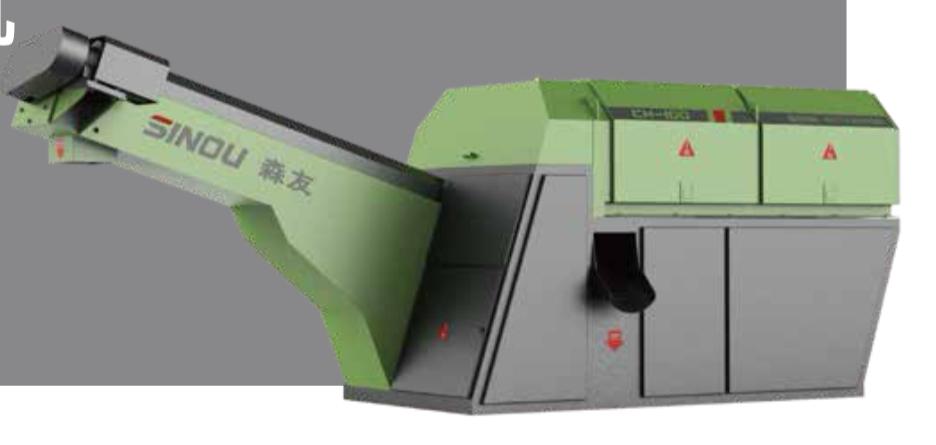
Many operators treat a reclaimer as an optional upgrade, but skipping it simply moves the expense to places that don't show up in the initial quote. Every washout sloshes sand, stone, and cement paste into a holding area, and that slurry doesn't disappear. You end up paying for extra water, for someone to pump and haul the waste, and for fresh aggregate to replace what got rinsed away. The bill arrives later, often bundled into disposal fees or surprise surcharges from the washout service.
The time drain is just as real. Without a reclaimer, drivers wait longer for a clean drum, crews shovel out hardened piles, and the site's drains and pits slowly choke with sludge. It turns a five-minute rinse into a half-hour chore. Choosing to run without one might feel like cutting costs, but the labor and disposal charges compound every week, and the only thing that stays hidden is how much it's actually costing.
How Rotary Motion Beats Static Settling for Fine Sand Recovery
Fine sand tends to pack into dense layers when left undisturbed in a settling tank, trapping moisture and resisting re-suspension even under aggressive downstream pumping. A rotary motion breaks this cycle by continuously shearing the settled bed, preventing the grain-to-grain locking that static settling encourages. Instead of waiting for gravity alone to do the work, the rotating mechanism gently lifts and rolls the sand particles, exposing fresh surfaces and allowing trapped water to escape upward while heavier grains stay near the collection zone.
The key difference shows up in recovery rates and throughput. Static settling often leaves a stubborn heel of fine sand that must be manually flushed or scraped, adding labor and downtime. Rotary motion keeps the entire bed in a state of controlled fluidization, so fine sand migrates steadily toward the discharge point without forming hard-to-remove crusts. Operators notice a smoother, more predictable draw-off and fewer blockages at the underflow valve, even when feed characteristics fluctuate.
From a practical standpoint, rotary systems also reduce the need for aggressive flocculant overdosing or deep rake arms that can stir up unwanted clay fines. The motion can be tuned to match the settling velocity of the target sand fraction, leaving lighter silt in suspension to be carried away with the overflow while dense fine sand collects efficiently. This selective action is hard to replicate with static designs, which rely on long residence times and often sacrifice either recovery or purity.
Water Reuse: The Overlooked Half of Concrete Recycling
When a concrete plant washes out its trucks and mixers, the runoff is typically treated as waste. That water carries fine cement particles and a pH high enough to irritate skin and kill aquatic life if released untreated. Yet the same water can be captured, settled, and fed straight back into the batching process without weakening the next pour.
Most conversations about concrete recycling focus on crushing old slabs into aggregate or grinding them into supplementary cementitious material. Water rarely enters the picture, even though a single ready-mix truck can use several hundred gallons a day just for cleaning. By adding a settling basin and simple filtration, a plant can cut its freshwater intake by half or more, paying back the investment in months rather than years.
The overlooked part isn't just environmental, it's operational. Recycled process water often contains leftover cement that actually improves the fines content in fresh concrete, reducing the need for virgin materials. Once operators see the numbers, reusing water stops being a compliance chore and starts looking like a raw material stream that was always there.
Why Some Reclaimers Need Less Floor Space Than a Parking Spot
Most reclaimers of this class ditch the sprawling footprint by stacking the separation chamber directly above the hopper instead of running a long conveyor between them. That single choice eliminates the need for a separate sorting deck and shortens the material path by nearly half. You end up with a unit that can slide into a standard 9-foot-wide bay and still leave room for a maintenance walkway.
Another reason is the switch to compact drive motors mounted inside the drum rather than external gearboxes. Older designs needed extra clearance for belt guards and cooling fins. Newer reclaimers tuck all that hardware into the frame, so the overall width drops below eight feet. Some models even fold their control panel flat against the body during transport, which makes them no wider than a ride-on mower.
This doesn't mean they sacrifice throughput. The reduced footprint comes from tighter component packaging, not smaller drums or weaker suction. A well-designed compact reclaimer can still process the same volume per hour as a larger machine, but it parks in the corner of a workshop instead of demanding its own room.
Matching Reclaimer Capacity to Daily Truck Counts Without Guesswork
A common pitfall in milling and reclamation work is sizing the truck fleet from rough rules of thumb that ignore what the reclaimer actually produces hour by hour. Instead, begin with the machine's real production rate—tons per hour or cubic yards per hour—and set it against the full cycle time each truck spends loading, hauling, dumping, and returning. If a reclaimer cuts 300 tons per hour and the average round trip is 45 minutes, the number of trucks needed is not a fixed guess but a number you can calculate.
Haul distance, truck payload, traffic delays, and even the moisture content of milled material shift that balance throughout the day. A simple field worksheet or a shared spreadsheet lets the crew update these variables each morning. The output is a truck count that flexes with real conditions, keeping the reclaimer from idling while trucks queue or driving haul costs up by sending too many trucks.
To keep the method honest, log actual load counts and queuing times for a few shifts, then adjust the math. That closes the loop and stops old guesswork from creeping back when project conditions change.
FAQ
The drum rotates at a controlled speed while a built-in spray bar rinses the material. Heavier stone and sand settle through perforated sections and discharge separately, while cement fines and water flow into a settling tank. It typically uses less than 200 gallons per cubic yard of returned concrete.
Rotary units handle higher volumes without clogging when the mix contains fibers or larger aggregate. The rolling action reduces wear on internal flights, so maintenance intervals stretch to around 500 operating hours, while screw conveyors often need hardfacing repair every few months.
Yes, if you screen out oversize and keep the fines within ASTM C33 limits. Most plants reuse up to 80% of the recovered material for non-structural mixes, curb and gutter, or backfill. Some adjust mix designs to blend it with virgin aggregate and keep slump consistent.
The slurry flows into a series of weir tanks or a compact clarifier. Clear water overflows to a holding tank and gets pumped back to the truck washout and batch water lines. Sludge is periodically removed with a small excavator or vacuum truck, depending on pit size.
A single-bay setup usually needs about 1,200 to 1,800 square feet. That includes the drum, ramp, settling tanks, and enough room for a mixer to back in without blocking other traffic. If you run more than 30 trucks a day, plan for a second bay or a larger holding pit.
It depends on how much returned plastic concrete you generate. If you are washing out at least four or five trucks daily, a compact rotary model with a 5-7 cubic yard drum pays for itself in reduced disposal fees and less purchased sand. Below that volume, a simple washout pit may be more sensible.
Grease the trunnion bearings, check spray nozzles for clogs, and inspect the drive chain or gearbox oil. The drum tires need occasional adjustment, but there is no daily scraping like with a screw unit. Keep a spare set of nozzles and a drive belt on hand to avoid downtime.
Insulate the water lines and settling tank, and add a thermostatically controlled heater or a glycol loop if temperatures stay below 20°F for long stretches. The drum itself can operate in cold weather, but the spray system must be drained or heated when the plant shuts down overnight.
Conclusion
Concrete producers often treat truck washout as a disposal problem, but a rotary reclaimer changes that arithmetic. Instead of paying to haul away hardened leftovers, the drum's tumbling action scrubs aggregate clean and lifts fine sand that static settling tanks simply miss. That recovered material goes straight back into the stockpile, so every yard of returned concrete becomes sellable product rather than landfill cost. The hidden expenses of washing out without a reclaimer—extra water draw, overtime labor for chipping bins, and rising disposal fees—disappear once the system runs continuously. Rotary motion does the heavy lifting: it keeps fines suspended long enough to separate them, then dewaters the sand to a moisture level that's ready for batching. This is not about getting rid of waste; it's about pulling revenue out of what used to be thrown away.
Water reuse is where the payback quietly builds. A well-sized rotary reclaimer returns process water to the plant within hours, cutting fresh water demand by a large margin and reducing the need for settling ponds that eat up yard space. Some units fit into a footprint smaller than a single parking spot, yet still handle the washout from a full day of truck returns. Matching capacity to daily truck counts matters: too small and you create a bottleneck, too large and you waste energy and water. The right rotary reclaimer matches the drum's throughput to actual fleet size, not guesswork. It turns a messy, costly chore into a steady flow of clean aggregate, reusable water, and fewer headaches for the batch plant manager. That combination—recovered sand, recycled water, and compact design—makes rotary reclaimers one of the few pieces of equipment that pays for itself while making the plant run cleaner.
Contact Us
Contact Person: HaiYan
Email: [email protected]
Tel/WhatsApp: +86 18957325588
Website: https://www.senyoubeton.com/