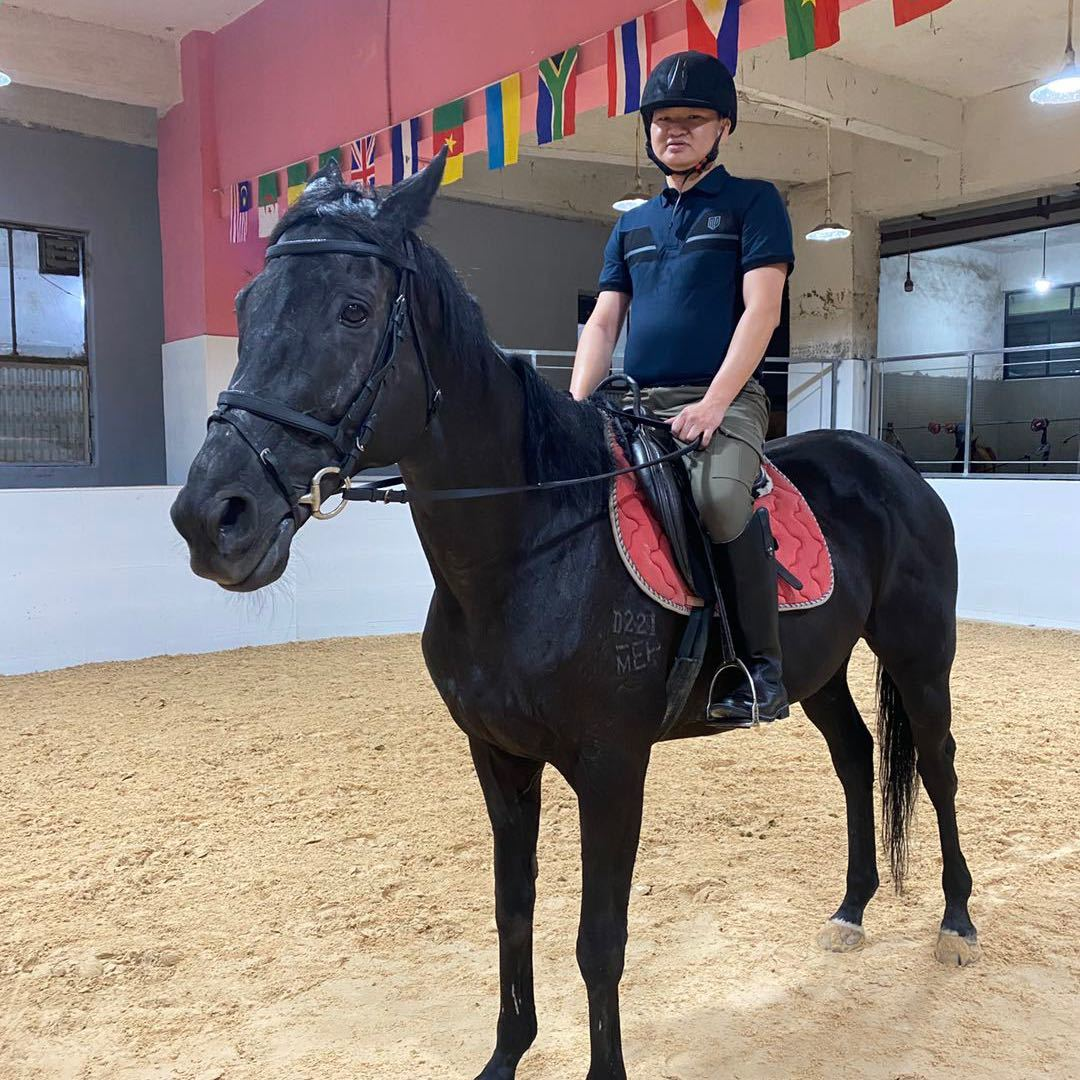

Riding Breeches Export: Unlocking Opportunities in International Trade
2026-07-07
The global equestrian market is galloping toward impressive growth, and riding breeches are leading the pack as a high-demand export commodity. For seasoned traders and newcomers alike, navigating this niche holds untapped potential. At OpeEquestrian, we’ve seen firsthand how quality, design, and sustainability turn ordinary shipments into lasting partnerships. In this post, we’ll uncover the trends, challenges, and game-changing strategies that can put you ahead in the international riding breeches trade—without the usual industry fluff.
Why Riding Breeches Are Galloping into Global Markets
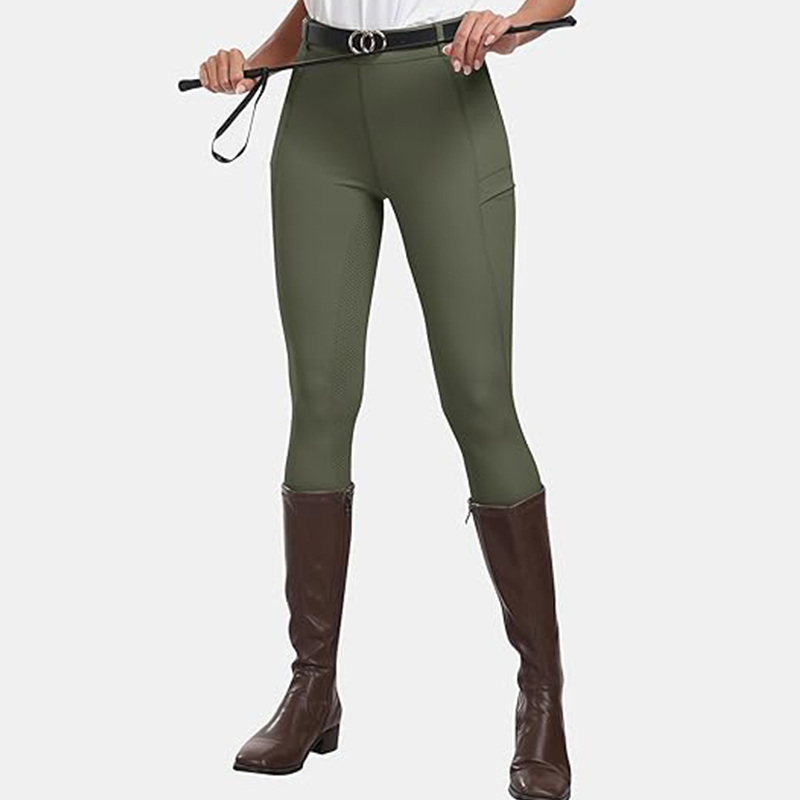
The surge in equestrian sport participation worldwide is a key driver behind the rising global demand for riding breeches. From dressage and show jumping to casual trail riding, more people than ever are discovering the bond between horse and rider. This growth isn’t limited to professional circuits—recreational riders are fueling a parallel demand for functional yet stylish gear. As riding schools expand in Asia and the Middle East, and equestrian tourism gains momentum in Europe and the Americas, the need for specialized apparel that offers comfort, durability, and flexibility is climbing sharply. Unlike generic activewear, riding breeches are purpose-built with reinforced knee patches, seamless inner thighs, and moisture-wicking fabrics that withstand hours in the saddle.
Fashion’s embrace of the “equestrian chic” aesthetic has also propelled breeches beyond the stable. High-street brands and luxury houses routinely reinterpret jodhpur silhouettes, tall boots, and tailored jackets, blurring the lines between performance wear and everyday style. Social media amplifies this crossover, with influencers pairing breeches with knitwear and blazers for a polished look that resonates with both riders and non-riders. As a result, breeches are no longer confined to barns—they’re appearing in cafés, co-working spaces, and city streets. This dual appeal expands the consumer base dramatically, attracting buyers who value technical features even if they’ve never mounted a horse.
Supply chain innovations and direct-to-consumer models have further accelerated the global spread of riding breeches. Niche equestrian brands now leverage agile manufacturing to offer inclusive sizing, custom lengths, and performance fabrics like Schoeller and Dyneema. Meanwhile, established sportswear giants are adding equestrian lines to their repertoire, recognizing the multifaceted demand. Online platforms break down geographic barriers, enabling a rider in Australia to order from a German atelier with ease. Coupled with grassroots event sponsorship and ambassador programs in untapped regions, these strategies are turning a once-specialized garment into a borderless staple, galloping onto the world stage at a pace that shows no sign of slowing.
The Craftsmanship Edge That Turns Browsers into Buyers
When a potential customer lands on a product page, they’re often just scrolling. But the moment they notice a fine, hand-finished seam or the perfect weight of a well-balanced tool, something shifts. It’s not about features on a spec sheet—it’s the quiet confidence that comes from an object made with patience and precision. That tactile promise, even conveyed through a screen, makes the difference between a passing glance and a click on “add to cart.”
In a market flooded with mass-produced sameness, genuine craftsmanship cuts through the noise. Think of the last time a beautifully chamfered edge or a perfectly tensioned hinge caught your eye. Those details aren’t accidental; they’re the result of hours spent refining a process that most competitors shortcut. Buyers sense that care, and it builds trust faster than any sales pitch. They start to imagine owning something that lasts, something with a story—and that’s when the browser becomes a buyer, not because they were convinced, but because they connected.
Hidden Gem Markets Every Exporter Should Explore
While everyone else scrambles for the same high-profile destinations, a quieter set of markets is reshaping global trade—often with less friction and higher returns. These overlooked economies rarely make headlines, yet they’re steadily upgrading infrastructure, liberalizing trade policies, and nurturing consumer classes that crave imported goods. The trick isn’t just finding them before the crowd does, but understanding how their unique demand patterns can align with what you already sell.
Look past the usual BRICS narrative and you’ll spot places like Senegal, with its stable democratic setup and a young, tech-savvy population driving demand for everything from agri-tech to fashion. Uzbekistan’s recent opening has turned it into a central Asian corridor for logistics and consumer goods, while Paraguay’s low-tax regime and Mercosur access make it a surprisingly flexible manufacturing and re-export hub. Then there’s Rwanda, which has leveraged digital governance to become one of Africa’s easiest places to do business—ideal for exporters willing to partner with local innovators rather than just push products.
What sets these opportunities apart is that they reward patience and genuine local engagement over transactional selling. Instead of chasing volume, successful entrants study consumption habits on the ground, form unconventional distribution partnerships, and adapt payment models to regional realities. A market that barely shows up in global trade statistics today could easily become the backbone of your export portfolio tomorrow—if you’re willing to explore before the guidebooks arrive.
From Workshop to Warehouse: Streamlining Your Export Path
Moving from a small workshop setup to managing a full-scale warehouse operation is often where export bottlenecks start. Products pile up in corners, paperwork gets lost, and international shipping deadlines become a scramble. Rather than treating production and export as separate worlds, it helps to see them as stages in a single, connected chain—one that needs constant oversight from the moment an item is made until it leaves the warehouse dock.
A practical first step is mapping your entire product journey, then identifying where delays or extra handling creep in. For many, this leads to consolidating shipments earlier, prepping export documents while orders are still being packed, and choosing a warehouse location that minimizes inland transport. Partnering with a logistics provider that understands both domestic storage and cross-border compliance can turn a fragmented process into a tight, predictable sequence—no more last-minute customs surprises or idle inventory.
Once the path is smoothed, your team spends less time firefighting and more on quality and customer relationships. The payoff isn't just speed; it's the confidence that every order will arrive intact and on time, which quietly builds your reputation in competitive overseas markets. Keeping that rhythm going means regularly reviewing carrier performance and inventory data, but the heavy lifting is already done when your workshop output flows seamlessly into the warehouse and onto the export lane.
Trade Agreements That Make Cross-Border Sales a Breeze
Navigating international trade can feel like untangling a knot of regulations, but the right trade agreements turn that knot into a smooth ribbon. Think of them as pre-negotiated shortcuts that slash tariffs, simplify customs procedures, and open doors that once seemed firmly shut. For businesses eyeing markets abroad, these pacts aren't just legal texts—they're practical tools that make overseas selling as routine as shipping to the next town over.
The real magic happens when an agreement aligns with your product line and target markets. A fashion retailer shipping to the EU, for example, might lean heavily on the EU's Economic Partnership Agreements to dodge duties on textiles, while a tech exporter could lean on USMCA's digital trade chapters to move software across North America without a hitch. The difference isn't just in the fine print; it's in how the rules are framed—some agreements harmonize product standards so goods don't need costly retesting, while others streamline paperwork to a handful of clicks. Spotting the right fit means less time stuck in customs and more time delighting new customers.
But the quiet advantage of these agreements often lies in what they do for supply chain clarity. When you know exactly which tariff codes are covered and how rules of origin apply, you can plan inventory across borders without second-guessing landing costs. That certainty lets businesses price competitively, offer faster delivery, and build trust with local partners who appreciate the predictability. It's less about wringing out every last percentage point and more about creating a sales rhythm that feels locally rooted, even when your warehouse is an ocean away.
Building a Brand That Speaks the International Language
A truly global brand doesn’t just translate words—it taps into visual cues, shared emotions, and universal stories that resonate across borders. Colors, shapes, and icons often carry more weight than taglines because they bypass linguistic barriers entirely. The rhythm of a well-crafted video, the warmth in a photograph, or the simplicity of a logo can spark recognition and trust without a single word being read or heard.
Cultural fluency is the quiet engine behind international success. It’s not about checking boxes for local customs but about listening deeply to what moves people in different contexts. A humorous ad that kills in one country might offend in another; a symbol of prosperity here could signify something negative elsewhere. Brands that get this right weave local threads into a global fabric without losing their own texture—striking a balance between consistency and genuine local relevance.
Digital platforms have erased old geographic limits, but they’ve also raised the stakes: audiences everywhere can spot a hollow gesture from miles away. The brands that endure are those that show up with a consistent character, not a borrowed mask. Whether it’s a customer’s late-night complaint or a campaign launch, every interaction becomes a chance to prove that the brand’s values aren’t just written on a wall—they’re felt in real time, across any time zone or language.
FAQ
Riding breeches cater to a specialized but loyal market of equestrians who value comfort, durability, and style. As equestrian sports gain popularity worldwide, particularly in emerging markets, demand for high-quality gear grows. Exporters can tap into this by offering innovative designs and fabric technology that set their products apart.
Established equestrian hubs like Germany, the UK, and the US remain key importers, but opportunities are expanding in China, Brazil, and the Middle East, where spending on leisure and sport is rising. Understanding regional preferences—such as climate-appropriate materials or fashion-forward cuts—helps in targeting these markets effectively.
Beyond standard quality, focus on niche segments: grip technology for competition riders, eco-friendly fabrics for sustainability-conscious buyers, or custom sizing for professionals. Building a strong brand story around craftsmanship or equestrian heritage also creates a memorable identity that resellers and customers gravitate toward.
Navigating complex trade regulations, managing fluctuations in raw material costs, and dealing with sizing inconsistencies across regions can be tricky. Additionally, intense competition from established brands means new exporters must invest in building trust through certifications or direct partnerships with riding schools and clubs.
Absolutely. Lightweight, ventilated breeches sell well in warmer regions or summer months, while thermal or water-resistant designs are essential for colder climates. Smart inventory management aligned with the equestrian event calendar—like pre-season launches before major shows—can boost sales.
Sustainability is a growing differentiator. Buyers increasingly look for breeches made from recycled or organic materials, produced in ethical facilities. Exporters who transparently communicate their eco-credentials often find better access to European and North American retailers that prioritize green sourcing.
Critical. In markets like the EU, strict regulations on textile safety, labeling, and chemical usage apply. Non-compliance can lead to shipment rejections. Partnering with accredited testing labs early in production ensures your breeches meet local requirements and reduces costly delays.
Yes, especially by leveraging e-commerce platforms like Etsy or specialized equestrian marketplaces. Focusing on custom, handmade, or artisan breeches allows small brands to command premium prices and build a direct relationship with international customers without massive upfront investment.
Conclusion
Riding breeches are surging onto the global stage, driven far beyond their traditional equestrian base. A wave of interest in outdoor pursuits and athleisure has sparked demand for gear that blends performance with everyday comfort. This shift is amplified by a craftsmanship edge that sets premium products apart—meticulous stitching, ergonomic cuts, and moisture-wicking fabrics turn casual browsers into devoted buyers. Exporters who understand these nuanced quality signals can capture value that mass-market competitors miss. Meanwhile, the real growth is sprouting in overlooked corners of the world. Beyond saturated Western markets, emerging pockets in Southeast Asia, Latin America, and the Gulf states are ripe for exploration. Rising middle classes there are embracing riding culture, creating openings for suppliers who arrive early with adaptable designs and genuine local partnerships.
Capturing these opportunities, however, demands a seamless path from workshop to warehouse. Streamlining production and logistics while staying compliant with destination standards is the bedrock of reliable export. Forward-thinking businesses lean into trade agreements that slash tariffs and paperwork, making cross-border sales feel almost frictionless. Yet operational prowess alone won’t build lasting success. The brand itself must speak an international language—not just through translation, but through a visual and emotional identity that resonates across cultures. It’s about telling a story of heritage and innovation that fits naturally into a rider’s life, whether in Munich or Mumbai. When product excellence, efficient delivery, and culturally fluent branding converge, riding breeches exporters unlock a global market that rewards both big ambitions and meticulous attention to detail.
Contact Us
Contact Person: Keven Tong
Email: [email protected]
Tel/WhatsApp: +86 18666477707
Website: https://www.ope-technology.com