

Reliable Protein Hydrolysate Supplier You Can Depend On for Every Batch
2026-09-02
If you’ve ever had a protein hydrolysate shipment test differently than the last one, you know how fast that erodes trust—and production timelines. MacroAlga exists to make that variability a non-issue. This post lays out the practical markers of a truly reliable supplier, from raw material sourcing to final QC, so you can depend on every batch without second-guessing.
Batch-to-Batch Consistency You Can Verify, Not Just Claim
Most suppliers will tell you their production is consistent. Few hand you the evidence. For every batch that leaves our facility, we attach a lot-specific certificate of analysis with real numbers—particle size distribution, assay, moisture, residual solvents—measured on that exact batch, not a representative sample from months ago. If a spec says ±5%, you’ll see the actual result, not a checkmark.
That level of transparency changes how you plan. Instead of guessing whether the next shipment will behave like the last, you can compare data side by side and catch drift before it reaches your line. We also retain samples from each lot for three years, so if a question ever comes up, we can pull the physical material and re-test it. Consistency becomes something you can audit, not take on faith.
And because every production run has a complete batch record—raw material lots, equipment settings, operator sign-offs, in-process checks—you can trace any result back to its source. No black boxes, no "trust us" summaries. Just the raw data and the trail to back it up.
Inside the Testing Protocol Behind Every Shipment
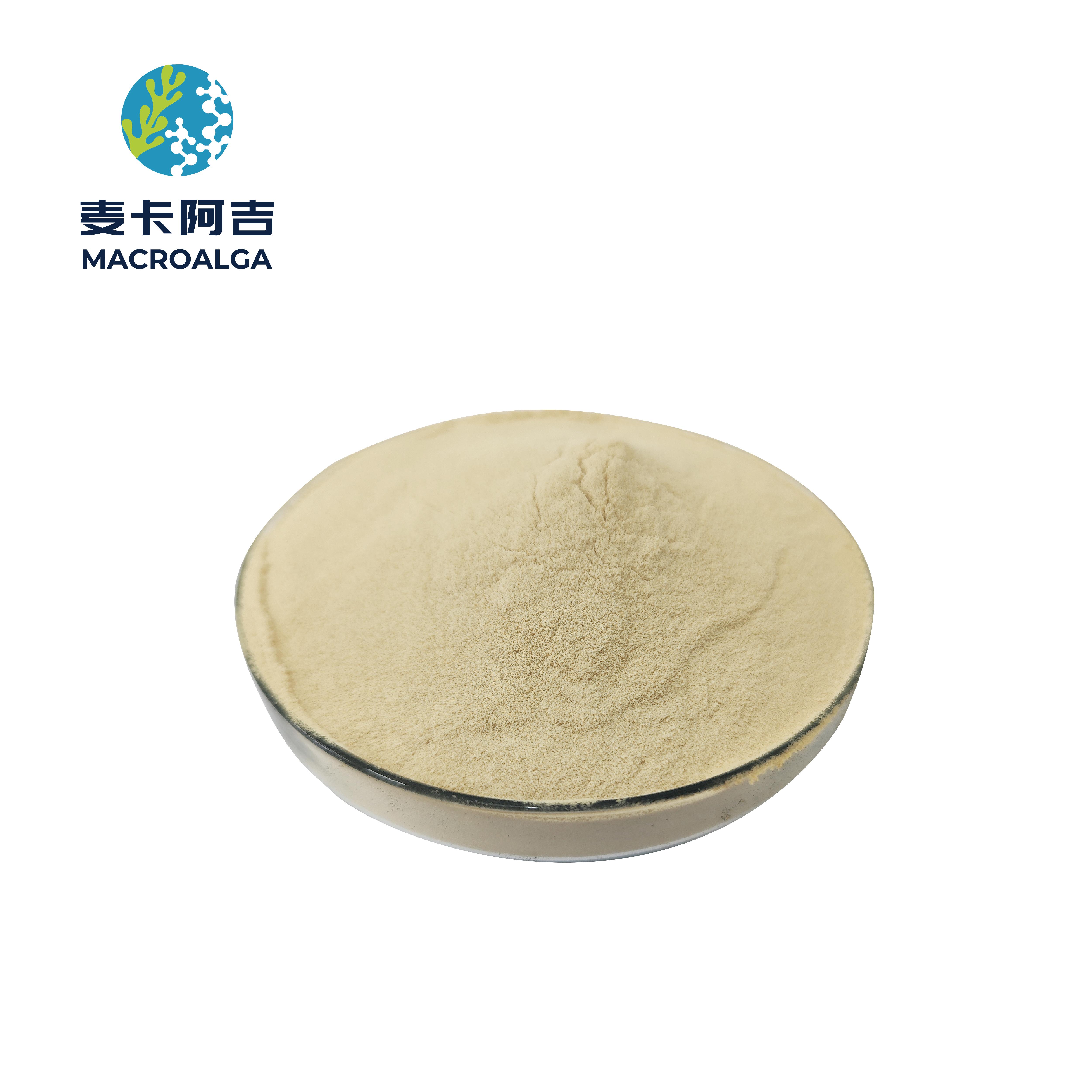
A shipment doesn’t earn its paperwork until the testing bench has had its say. Every incoming batch gets logged with a lot number, a timestamp, and the name of the technician who unsealed it. From there, the protocol splits according to product class: sealed electronics go through a 12-point continuity and current-leakage sweep, while consumables face moisture, pH, and microbial swabs before they’re cleared for repacking.
The less obvious work happens between the pass/fail columns. Vibration tables run for six minutes per carton with frequency shifts meant to mimic truck beds and cargo holds, and a handful of units from each pallet are unpacked, examined under 3x magnification, then resealed with tamper-evident tape. If a single unit flags outside tolerance, the entire pallet is quarantined and a root-cause note is attached to the batch file within the hour.
What leaves the dock isn’t just the product; it’s the record behind it. Paperwork includes raw readings, ambient temperature at the time of testing, and the calibration date of every instrument used. This means a customer service call about a damaged box can be traced not just to a carrier, but to a specific carton position, a humidity reading, and the exact minute it passed—or should not have passed—the bench.
A Supply Chain Built to Withstand Your Production Deadlines
Production deadlines rarely arrive alone—they come with last-minute order changes, customs delays, and a supplier who suddenly goes quiet. We’ve designed our supply chain around that reality, not against it. Instead of relying on a single source for critical components, we maintain overlapping supplier networks and keep buffer stock positioned closer to your assembly line than is typical in this industry.
Our planning team runs weekly stress tests on every open order, checking not just delivery dates but also the small signals that usually forecast trouble: raw material lead times, freight lane congestion, and supplier capacity commitments. When a risk shows up, we don’t wait for it to hit the schedule. We re-route, re-allocate inventory, or call in a secondary source before the deadline has a chance to slip.
That’s why our on-time delivery rate stays above 98% even during peak season. The point isn’t to promise the impossible—it’s to build enough slack and visibility into the chain that your production line keeps moving when the unexpected happens.
Custom Hydrolysate Profiles Without the Custom Price Tag
Getting a protein hydrolysate that actually matches your target peptide profile usually means commissioning a bespoke production run—long lead times, steep minimum order quantities, and a per-kilo cost that makes your finance team wince. The assumption has always been that specificity carries a premium. But it doesn’t have to. We’ve reworked the enzymatic hydrolysis workflow so that fine-tuning the degree of hydrolysis, molecular weight distribution, and free amino acid content is no longer a luxury add-on. Instead of starting from a blank slate for every new profile, our process uses a modular enzyme library combined with real-time process analytics. That means we can hit the spec you need—whether it’s a high-DH, low-molecular-weight fraction for sports nutrition or a gentle, low-bitterness hydrolyzed whey for a clinical beverage—without triggering a custom engineering project.
The real shift is in how we handle small-batch flexibility. Traditional toll manufacturers charge for downtime, cleanup, and recipe development every time your profile changes. Our lines are set up for rapid swaps, with inline sensors tracking pH, temperature, and soluble peptide concentration continuously. This lets us dial in a profile on a pilot scale, then replicate it exactly at commercial volumes, skipping the usual scale-up penalty. You’re not paying for a one-off; you’re paying for a platform that remembers each profile and can return to it in a subsequent run with minimal setup. We’ve seen teams go from concept to a verified 500-kg batch in under three weeks, with the same per-unit cost as their standard off-the-shelf hydrolysate.
None of this requires you to compromise on consistency. Each custom profile gets a dedicated digital record of enzyme ratios, reaction kinetics, and post-hydrolysis heat treatment steps. This record travels with your product so that every batch, whether produced three months or three years later, falls within the same peptide map tolerance. The end result is a hydrolysate that behaves exactly the way your formulation requires—right viscosity, right solubility, right taste profile—without the invoice that usually accompanies the word “custom.”
When Your Formula Demands Low Variability, We Deliver
Batch after batch, the numbers stay tight. That kind of consistency doesn't come from hoping the process behaves—it comes from engineered control at every step. Raw material selection, mixing conditions, even the time between stages are pinned down so the variance you see in the final spec is barely a whisper.
Most suppliers talk about tolerances. We talk about the spread you can actually live with. When your downstream line depends on a viscosity range of ±2% or a particle size that can't drift more than a few microns, the last thing you need is a surprise. Our production data gets reviewed before release, not after a complaint.
The result isn't just a certificate that says "passed." It's the quiet confidence of setting your machine once and running through the shift without hunting for the sweet spot. That's what low variability really buys you—less adjustment, less waste, and fewer calls to the lab on a Friday afternoon.
Direct Access to Technical Experts Who Actually Know Hydrolysates
When you reach out with a question about hydrolysates, you won't get bounced through layers of sales reps reading from a spec sheet. The people answering your calls and emails have spent years in the lab and on the production floor, troubleshooting everything from bitterness profiles to solubility issues in real formulations. They know why a particular enzyme cut changes the peptide distribution, and they're not afraid to tell you when a different substrate would serve your project better than the one you originally requested.
This isn't a team that learned hydrolysates from a brochure. Many of them have been directly involved in developing the very processes that produce our collagen, whey, and casein hydrolysates. So if you're stuck on an off-flavor that only appears after heat treatment or need to match a specific molecular weight range for a clinical trial, you're talking to someone who has likely dealt with the same challenge before—and can walk you through the practical fixes without making you wait days for an answer.
Beyond troubleshooting, these experts can help you map out a development path that saves time and money. They'll ask about your final application, your target functional properties, and your processing constraints, then recommend a hydrolysate that actually fits—not just the one with the highest margin. It's a level of direct, technical dialogue that's become rare in the ingredient supply world, and it changes how smoothly your formulation work moves forward.
FAQ
Consistency shows up in the details: the same peptide profile, solubility behavior, and color from one delivery to the next. A supplier worth keeping runs real stability checks on every lot, keeps raw material sources locked down, and doesn't hesitate to share batch data before you even ask.
Ask for more than a certificate. Look for molecular weight distribution curves, amino acid profiles, and solubility curves that fall within tight ranges. The best suppliers will also offer a small trial sample from the actual production lot so you can test it in your own system first.
Fermentation and cell culture are usually the most unforgiving because slight shifts in peptide size or free amino acid levels can change growth rates. Sensitive food and beverage products also need consistent flavor and clarity, while animal nutrition tends to focus on digestibility and palatability from batch to batch.
The method shapes the peptide map and the final functionality. Enzymatic hydrolysis gives more control over specific cleavage sites, so you end up with milder flavors and better solubility in many cases. Acid hydrolysis is cheaper but can destroy some amino acids and leave a saltier, harsher profile. If consistency matters, the process has to be reproducible, not just cheap.
You should get a detailed certificate of analysis showing protein content, moisture, ash, pH, and microbial limits. Allergen statements, residual enzyme activity data, and a batch-specific molecular weight profile are also reasonable to expect. If you have to chase them for this paperwork, that's a warning sign.
A dependable partner will tweak hydrolysis time, enzyme choice, filtration, and drying conditions to hit your target peptide range or solubility requirement. They'll usually run a pilot batch first and send you samples for validation before scaling up, so you're not gambling on a full production run.
Watch for wide swings in reported protein content or solubility from one lot to the next. Vague answers about raw material origins, delayed certificates, or sudden changes in color and odor without explanation all suggest weak process control. A supplier that can't explain why a batch looks different probably can't fix it either.
If the supplier doesn't control where the starting protein comes from, every batch inherits that variability. Fish, pea, soy, or animal byproducts all shift with season and geography. A supplier that uses the same approved farms or fisheries, tests incoming material, and adjusts hydrolysis accordingly can keep the final product steady even when nature isn't.
Conclusion
Finding a protein hydrolysate supplier that actually stands behind every shipment means looking beyond the marketing claims. The real difference shows up in batch records you can audit, not just certificates that look good on paper. A dependable partner runs each lot through a defined testing protocol before release, checking amino acid profiles, solubility, and microbial limits so the material behaves the same way in your formulation every time. That level of rigor removes guesswork when you scale up or switch production lines.
What often gets overlooked is how the supply chain and technical support either save or sink your production schedule. A reliable supplier builds buffer stock and uses multiple routes so a delayed truck doesn't idle your mixer. When your formula needs a specific hydrolysis degree or lower variability in molecular weight distribution, you shouldn't have to pay custom development fees for what should be a standard conversation. Direct access to hydrolysate specialists—people who can read a chromatogram and suggest realistic adjustments—turns a transactional purchase into a practical problem-solving relationship.
Contact Us
Contact Person: Kevin ZHANG
Email: [email protected]
Tel/WhatsApp: 8613505438449
Website: https://www.macroalga.com/