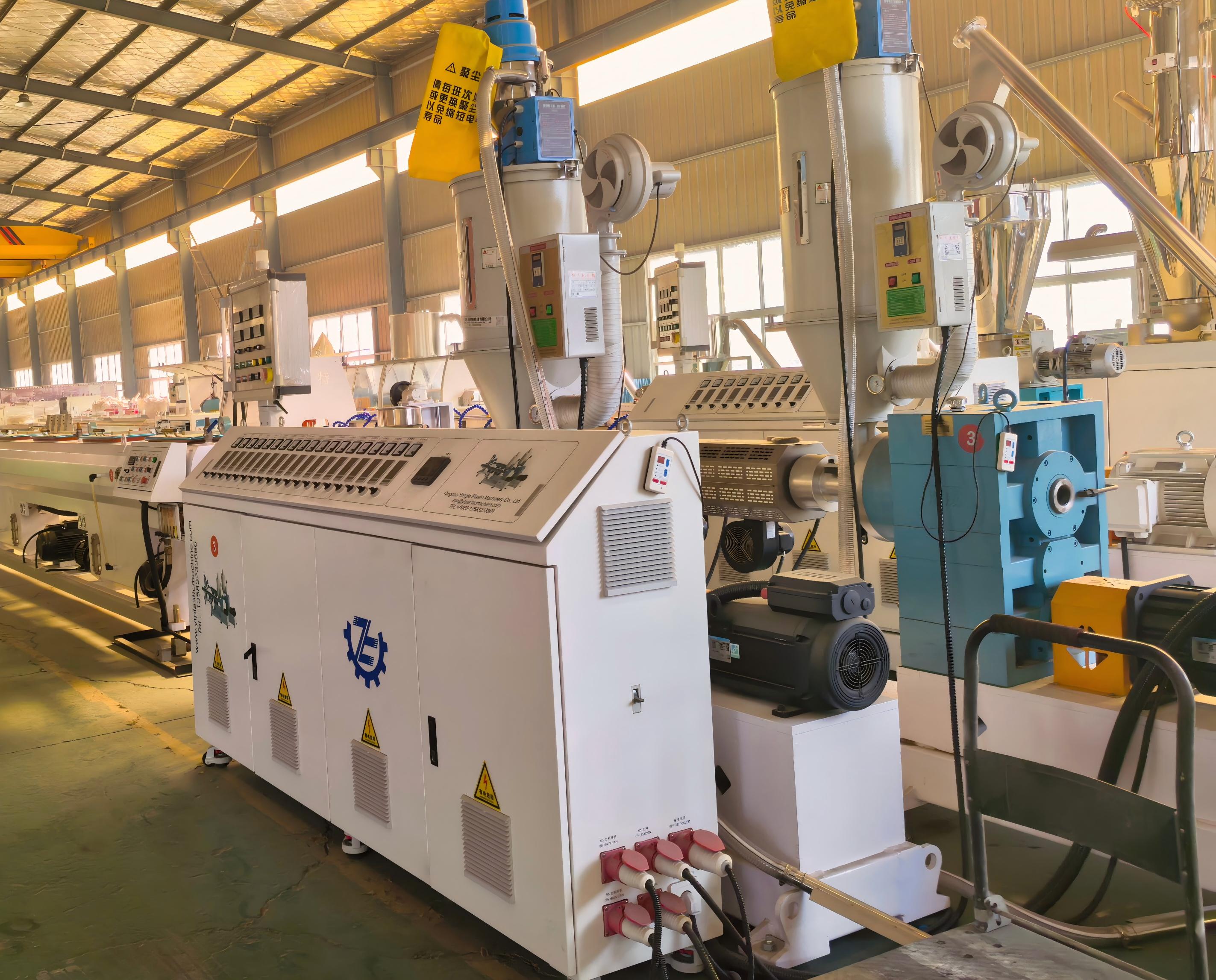

PVC Pipe Machine Solutions: Revolutionizing Manufacturing Efficiency
2026-04-01
In the competitive world of PVC pipe manufacturing, efficiency isn't just a goal—it's a necessity. As industries demand higher-quality products with faster turnaround times, the machines behind the scenes must evolve. This blog explores how innovative PVC pipe machine solutions are transforming production lines, boosting output while maintaining precision. At the heart of this revolution is Yongte, a leader in driving these advancements. Whether you're a seasoned manufacturer or new to the field, discover how cutting-edge technology can streamline your operations. Dive in to learn what sets modern solutions apart and why staying ahead matters.
How PVC Pipe Machines Streamline Modern Production Lines
In today's industrial landscape, PVC pipe machines have become a cornerstone for enhancing efficiency in manufacturing processes. These advanced systems integrate seamlessly into production lines, automating tasks like extrusion and cutting to reduce manual labor and minimize errors. By enabling continuous, high-speed operations, they significantly boost output while maintaining consistent quality. For instance, modern extruders can produce pipes with precise diameters and smooth surfaces, ensuring reliability for plumbing or irrigation applications. This automation not only cuts costs but also accelerates project timelines, making it easier for companies to meet growing market demands without compromising on standards.
Beyond pure speed, PVC pipe machinery introduces smart features that fine-tune production lines for optimal performance. Sensors and controllers monitor parameters such as temperature and pressure in real-time, automatically adjusting settings to prevent defects like warping or uneven thickness. This level of precision eliminates waste and rework, translating to substantial savings in raw materials and energy. Moreover, modular designs allow these machines to be easily reconfigured for different pipe sizes or materials, offering flexibility that adapts to varied customer needs. As a result, factories can switch between production runs swiftly, reducing downtime and enhancing overall agility in competitive markets.
The integration of PVC pipe machines into production lines also fosters sustainability and innovation. By streamlining processes, they lower the carbon footprint through efficient resource use and reduced emissions. Additionally, newer models incorporate eco-friendly features, such as recycling capabilities that reprocess scrap material back into the production cycle. This not only supports environmental goals but also opens up opportunities for creating custom pipes with enhanced properties, like increased durability or UV resistance. Ultimately, these advancements empower manufacturers to deliver superior products faster and more sustainably, solidifying their edge in an ever-evolving industry.
Innovative Technologies Enhancing Pipe Manufacturing Quality
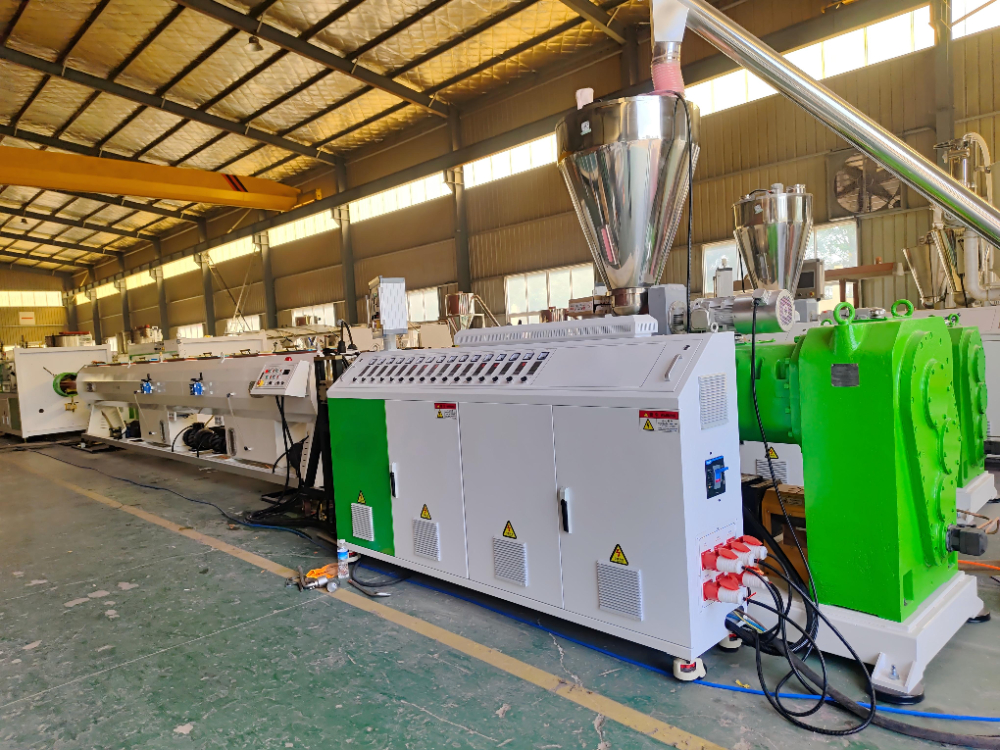
Recent advancements in pipe manufacturing have fundamentally shifted quality control from a reactive to a predictive discipline. Instead of relying on manual inspections after production, innovations like real-time laser scanning and ultrasonic testing now allow for continuous monitoring during extrusion or casting. These systems detect micro-defects—such as porosity or wall thickness variations—with unprecedented precision, enabling immediate adjustments. This not only minimizes waste but also ensures each pipe meets stringent standards for durability and safety, particularly in critical applications like oil and gas pipelines or municipal water systems.
Beyond detection, smart manufacturing technologies like IoT-enabled sensors are transforming how quality is managed across the supply chain. Embedded sensors in production equipment collect data on variables such as temperature, pressure, and material composition, feeding it into AI algorithms that optimize processes in real-time. For example, predictive analytics can forecast potential failures before they occur, suggesting maintenance or parameter tweaks to avoid defects. This integration reduces human error and enhances consistency, leading to pipes that perform reliably under diverse environmental stresses.
Material science innovations further elevate quality by introducing stronger, more resilient compounds. Researchers are developing composite materials, such as carbon-fiber-reinforced polymers, that resist corrosion and fatigue better than traditional metals. Additionally, 3D printing allows for custom-designed pipes with complex geometries and layered structures, tested virtually through simulation software to ensure integrity. These breakthroughs not only extend product lifespans but also support sustainable practices by using lighter, recyclable materials, making them a game-changer for industries prioritizing efficiency and eco-friendliness.
Key Features That Drive Efficiency in PVC Pipe Equipment
Efficiency in PVC pipe equipment hinges on innovative design elements that streamline operations and minimize downtime. For instance, advanced extrusion systems now incorporate precision temperature controls and automated speed adjustments, allowing manufacturers to produce uniform pipes with reduced material waste. This not only boosts output but also cuts costs significantly, making it a standout feature in competitive settings.
Another key aspect is the integration of smart sensors and real-time monitoring capabilities. These tools enable operators to detect issues like blockages or wear before they escalate, facilitating proactive maintenance that keeps production lines running smoothly. Unlike basic setups, this foresight translates into fewer interruptions and higher overall throughput, setting modern equipment apart in terms of reliability.
Furthermore, modular designs in PVC pipe equipment enhance efficiency by allowing quick customization and easy upgrades without full overhauls. This flexibility supports diverse production needs, from varying pipe diameters to specialized coatings, ensuring adaptability in fast-paced industries. By focusing on such user-centric features, manufacturers can achieve a notable edge in both performance and longevity.
Real-World Applications and Benefits in Various Industries
In the dynamic landscape of modern business, real-world applications of advanced technologies have revolutionized how industries operate, delivering tangible benefits that extend far beyond theoretical concepts. For example, in manufacturing, predictive maintenance powered by IoT sensors and AI can foresee equipment failures before they occur, slashing downtime by up to 50% and saving companies millions in unexpected repair costs. This proactive approach not only boosts efficiency but also enhances safety on production floors, reducing workplace accidents and fostering a culture of innovation.
Moving to healthcare, these applications transform patient care through personalized medicine and telemedicine platforms. By leveraging big data analytics, doctors can now tailor treatments based on genetic profiles and real-time health metrics, leading to improved outcomes and shorter recovery times. In rural or underserved areas, remote consultations via secure apps provide access to specialist care, bridging gaps in healthcare delivery and empowering patients to manage chronic conditions more effectively from home.
In the financial sector, benefits include fraud detection systems that analyze transaction patterns to flag anomalies instantly, protecting consumers and institutions from cyber threats. Beyond security, automation tools streamline processes like loan approvals, cutting processing times from weeks to hours and enhancing customer satisfaction. Such innovations not only drive profitability but also build trust, as clients experience faster, more reliable services tailored to their evolving needs.
Future Trends Shaping the PVC Pipe Machine Sector
Innovation in automation is rapidly transforming the PVC pipe machine sector, with manufacturers increasingly integrating smart technologies like IoT sensors and AI-driven predictive maintenance. This shift not only boosts production efficiency but also reduces downtime, allowing companies to respond dynamically to market demands while minimizing waste. As a result, factories are becoming more agile, adapting to customized orders without compromising on speed or quality.
Sustainability is emerging as a key driver, pushing the industry toward greener practices such as energy-efficient machinery and the use of recycled materials in pipe production. This trend aligns with global environmental regulations and consumer preferences for eco-friendly products, encouraging investments in advanced technologies that lower carbon footprints. By focusing on circular economy principles, businesses can enhance their market appeal and contribute to long-term resource conservation.
The rise of digitalization is fostering greater connectivity across the supply chain, enabling real-time data sharing and collaboration between manufacturers, suppliers, and end-users. This evolution supports more precise demand forecasting and streamlined logistics, helping companies optimize inventory and reduce costs. As the sector embraces these digital tools, it's poised to achieve higher levels of transparency and responsiveness in an increasingly competitive landscape.
Best Practices for Implementing These Solutions in Your Factory
Getting started with new solutions on the factory floor can feel overwhelming, especially when balancing production uptime with innovation. Instead of diving in headfirst, consider piloting a single line or department to iron out kinks before scaling up. This approach lets your team build confidence, gather real-world feedback, and fine-tune processes without disrupting the entire operation.
Cross-functional training is often overlooked but can be a game-changer for seamless implementation. When maintenance, operations, and quality assurance staff understand each solution's mechanics, they collaborate more effectively to troubleshoot issues and optimize performance. Regular hands-on workshops or shadowing sessions foster this shared knowledge base, turning isolated efforts into cohesive team wins.
Don't just set and forget—establish clear metrics and review cycles to track progress beyond the initial rollout. For example, monitor key indicators like defect rates or machine downtime weekly, using these insights to adjust workflows incrementally. This continuous improvement mindset ensures solutions evolve with your factory's needs, delivering sustainable value rather than short-term fixes.
FAQ
PVC pipe machines streamline production by reducing manual labor and minimizing errors, leading to faster output and higher-quality pipes that meet strict industry standards.
They often feature modular designs that allow easy connection to current production lines, enabling manufacturers to upgrade without major overhauls or downtime.
Yes, advanced models are adjustable to work with various PVC grades, from rigid to flexible types, ensuring versatility for diverse product requirements.
Common safety elements include automatic shutdowns, overload protection, and emergency stops, along with enclosures to protect operators from moving parts.
By improving energy efficiency and reducing waste, these machines lower maintenance expenses and material usage, offering significant savings over time.
Manufacturers can opt for features like variable speed controls, specialized die sets, and automated quality checks to tailor outputs to unique project demands.
Many systems incorporate recycling capabilities to reuse scrap PVC, and energy-saving designs help cut down on carbon emissions in manufacturing processes.
Conclusion
The advent of PVC pipe machine solutions has fundamentally reshaped manufacturing efficiency by streamlining modern production lines and integrating innovative technologies. These advancements, as highlighted in discussions on how PVC pipe machines optimize processes and the key features driving efficiency, enable faster, more reliable output with reduced downtime. By automating critical stages and incorporating real-time monitoring, these systems minimize human error and enhance consistency, allowing factories to meet rising demands while cutting operational costs. The seamless integration of such equipment into existing workflows demonstrates a practical shift toward smarter, more adaptive manufacturing environments that prioritize both speed and precision.
Looking ahead, these solutions offer significant real-world applications across various industries, from construction to agriculture, where durability and customization are crucial. Future trends in the PVC pipe machine sector point toward greater sustainability and connectivity, with eco-friendly materials and IoT-enabled diagnostics becoming standard. By adopting best practices for implementation, such as phased upgrades and staff training, factories can leverage these benefits to stay competitive. Ultimately, PVC pipe machine solutions are not just incremental improvements but transformative tools that redefine efficiency, quality, and scalability in manufacturing, paving the way for a more resilient industrial landscape.
Contact Us
Contact Person: Ms Qin
Email: [email protected]
Tel/WhatsApp: 8613583233866
Website: https://www.yongteplast.com