

Optimizing Low-Voltage Distribution Boxes for Modern Efficiency: Best Practices and Tips
2026-01-13
In today's rapidly evolving energy landscape, optimizing low-voltage distribution boxes isn't just a technical necessity—it's a key driver for modern efficiency and sustainability. As industries and households demand smarter, more reliable power management solutions, staying ahead requires innovative approaches and best practices. At Lugao, we've dedicated years to refining these systems, blending cutting-edge technology with practical insights to help you achieve peak performance. In this blog, we'll dive into actionable tips and strategies that can transform your setup, reduce energy waste, and enhance safety. Ready to unlock the full potential of your electrical infrastructure? Let's explore how small tweaks can lead to significant gains.
Enhancing Energy Management with Smart Distribution Box Designs
Traditional electrical distribution boxes have long served as passive components, quietly routing power without much thought to efficiency. Smart distribution box designs flip that script by integrating real-time monitoring and control capabilities directly into the infrastructure. Imagine a box that doesn't just distribute electricity but also tracks consumption patterns, identifies inefficiencies, and even predicts maintenance needs before failures occur. This shift transforms energy management from a reactive task into a proactive strategy, allowing businesses and homeowners to optimize usage dynamically rather than relying on periodic manual checks.
What sets these smart designs apart isn't just the technology inside, but how it's applied to everyday energy challenges. Rather than offering generic solutions, advanced models can be tailored to specific environments—like industrial facilities with high power demands or residential setups with solar integration. They use sensors and IoT connectivity to gather data on voltage fluctuations, load imbalances, and temperature variations, feeding insights to users through intuitive dashboards. This granular visibility means you can pinpoint which circuits are drawing excess power, adjust settings remotely, and reduce waste without sacrificing performance, making energy management feel less like guesswork and more like a precise science.
Beyond mere efficiency, these boxes introduce a layer of resilience that old systems can't match. In the event of a fault or overload, smart designs can automatically reroute power or isolate problematic sections, minimizing downtime and protecting sensitive equipment. Some even learn from usage trends over time, suggesting personalized adjustments to cut costs further. It's this blend of adaptability, user-centric features, and robust performance that helps smart distribution boxes stand out, turning a mundane piece of hardware into a cornerstone of modern, sustainable energy practices.
Implementing Advanced Safety Features for Reliable Power Systems
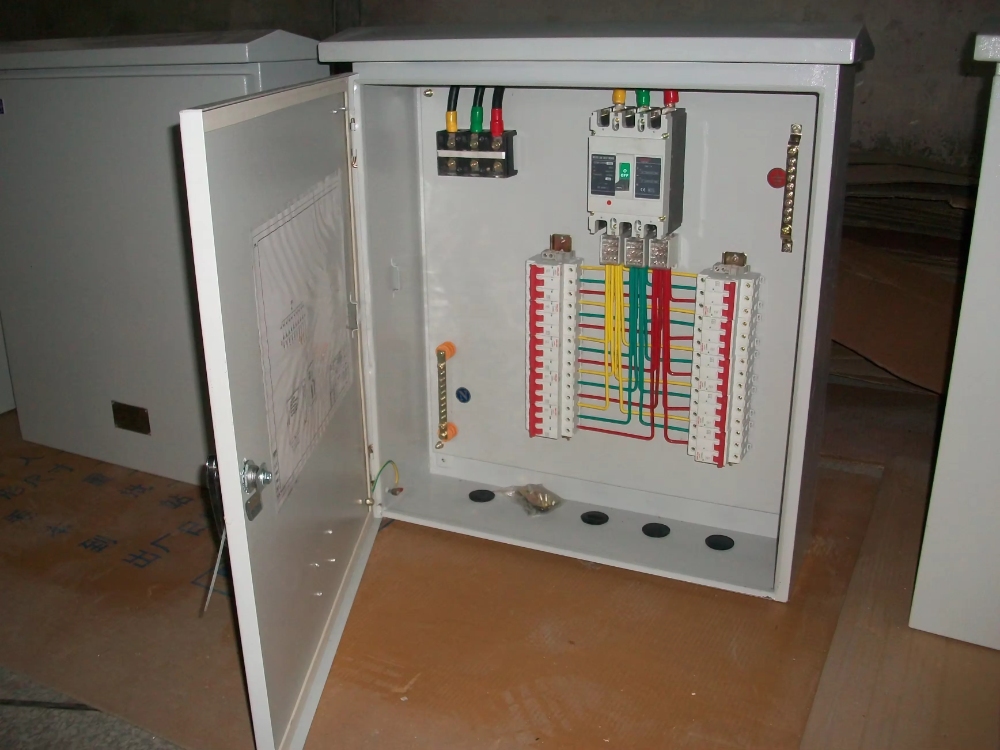
When it comes to reliable power systems, implementing advanced safety features isn't just an add-on—it's the backbone of operational stability. These features go beyond basic circuit breakers or overload protection; they involve sophisticated monitoring and predictive analytics to anticipate failures before they happen. For instance, integrating smart sensors and IoT devices allows for real-time data collection on voltage fluctuations, temperature shifts, and equipment wear, enabling proactive maintenance that minimizes downtime. This ensures that power grids and industrial setups remain resilient against unexpected disruptions, safeguarding both infrastructure and public safety.
Another key aspect is the use of redundant systems and automated fail-safe mechanisms, which work seamlessly behind the scenes. Modern power systems often incorporate multiple layers of backup, such as dual power supplies or automated switching to alternative sources during outages. These features are designed to operate without human intervention, reducing the risk of human error and ensuring continuous power flow even under adverse conditions. By prioritizing these intelligent safety measures, organizations can achieve a higher level of reliability, making their power networks not only safer but also more efficient and cost-effective in the long run.
Looking ahead, the evolution of safety features is closely tied to advancements in AI and machine learning, which can analyze vast amounts of data to optimize performance. For example, adaptive control systems can adjust parameters in real-time based on environmental factors or load demands, preventing overloads and enhancing overall system integrity. This forward-thinking approach helps power systems adapt to changing demands and emerging threats, setting a new standard for reliability in an increasingly digital world.
Integrating IoT Solutions to Monitor and Control Electrical Loads
Integrating IoT solutions into electrical load monitoring and control systems brings a new level of intelligence and efficiency to energy management. By embedding sensors and smart meters within electrical grids, these connected devices provide real-time data on power consumption patterns. This allows facility managers to identify high-demand periods and adjust usage accordingly, potentially reducing operational costs and preventing system overloads. For example, in a manufacturing setting, IoT-enabled controllers can dynamically shift non-essential processes to off-peak hours, optimizing energy distribution without disrupting core operations.
Beyond just monitoring, IoT technology empowers proactive control over electrical loads through automated responses and remote access. Users can set customized thresholds for different circuits or equipment; if consumption spikes unexpectedly, the system automatically triggers actions like shutting down non-critical devices or adjusting thermostat settings. This not only enhances safety by preventing electrical faults but also supports sustainability goals by minimizing waste. In smart homes, integration with mobile apps lets homeowners manage appliances from anywhere, turning off forgotten lights or scheduling heating cycles based on daily routines.
What sets modern IoT solutions apart is their scalability and predictive capabilities, which go beyond basic monitoring. Advanced analytics, powered by machine learning algorithms, can forecast future load demands and suggest optimizations, such as identifying aging equipment that might soon fail. This transforms energy management from a reactive task into a strategic asset, enabling businesses to plan upgrades, reduce downtime, and comply with environmental regulations more effectively. By seamlessly integrating with existing infrastructure, these solutions offer a tailored, future-ready approach to managing electrical loads in diverse settings from commercial buildings to industrial plants.
Selecting High-Quality Components for Long-Term Efficiency Gains
Think of components as the building blocks that shape your project's core performance and durability. By prioritizing quality from the start, you're not just assembling a system—you're setting the stage for sustained outcomes. Every choice, whether it's a robust processor or a resilient power supply, contributes to a foundation that withstands time and stress, ultimately reducing headaches and maintenance down the line.
Imagine skipping the initial cost-saving temptation in favor of components known for their reliability. This approach doesn't just prevent breakdowns; it creates a ripple effect that enhances overall workflow and consistency. For example, using durable materials or advanced cooling solutions can subtly improve daily operations, making your setup more adaptable and less prone to costly interruptions.
Beyond immediate benefits, selecting quality components cultivates a mindset of foresight. It's about anticipating future demands and investing in solutions that grow with your needs. This proactive strategy not only optimizes resources but also builds a reputation for dependability, proving that thoughtful choices today yield dividends in efficiency and satisfaction well into the future.
Streamlining Installation Processes to Reduce Downtime and Costs
In today's competitive landscape, companies are constantly seeking ways to minimize operational disruptions while keeping expenses in check. Streamlining installation processes has emerged as a key strategy to achieve these goals, as it directly impacts both downtime and associated costs. By refining these workflows, organizations can ensure that new systems or upgrades are implemented more swiftly and reliably, reducing the window during which normal operations are halted. This not only improves overall efficiency but also prevents costly delays that can ripple through various departments.
To effectively streamline installations, businesses often adopt a combination of advanced planning, modular components, and automation tools. For instance, breaking down complex installations into smaller, manageable phases allows teams to address potential issues proactively, rather than scrambling during a full-scale rollout. Additionally, leveraging pre-configured modules or standardized procedures can significantly cut down on manual labor and the risk of human error. This approach not only accelerates the process but also ensures consistency across multiple installations, leading to more predictable outcomes and easier troubleshooting.
Beyond the immediate benefits of reduced downtime, streamlined installations contribute to long-term cost savings by minimizing resource wastage and avoiding unnecessary rework. When processes are optimized, less time is spent on repetitive tasks, and materials are used more efficiently, lowering overall expenditure. Moreover, by reducing downtime, companies can maintain higher productivity levels and avoid lost revenue opportunities, which is especially crucial for industries where time-sensitive operations are paramount. Ultimately, a focus on refining installation workflows serves as a proactive measure to enhance resilience and competitiveness in an ever-evolving market.
Adopting Customization Strategies for Diverse Industrial Applications
In today's fast-paced industrial landscape, one-size-fits-all solutions rarely suffice to address the unique challenges faced by different sectors. Adopting customization strategies is not just a trend but a necessity for businesses aiming to stay competitive. By tailoring technologies, processes, and services to specific applications—from high-volume manufacturing and precision engineering to sustainable energy systems—companies can enhance efficiency, reduce operational costs, and foster innovation. This approach allows organizations to align their capabilities with the nuanced demands of their industries, ensuring that solutions are not only effective but also scalable and adaptable to future changes.
Many firms have found that customization unlocks opportunities for deeper collaboration with clients, leading to more reliable outcomes. For instance, in the pharmaceutical industry, bespoke automation systems can streamline complex drug formulation processes, while in agriculture, custom sensor networks might optimize irrigation based on real-time soil data. By focusing on the specific pain points and goals of each application, businesses can develop strategies that resonate more strongly with stakeholders, driving long-term growth and resilience in an increasingly fragmented market.
Ultimately, embracing customization requires a shift in mindset, moving away from generic offerings to more flexible, client-centric models. This might involve investing in modular designs, leveraging advanced analytics for personalized insights, or fostering cross-disciplinary teams to brainstorm industry-specific innovations. As industrial applications diversify, those who skillfully adapt their strategies will likely lead the way in delivering tailored value that truly makes a difference on the ground.
FAQ
Focus on modular design for easy expansion, high current ratings to handle increased loads, and smart monitoring capabilities that allow remote management. Materials like flame-retardant plastics or coated metals improve safety and durability in diverse environments.
Consider upgrading to energy-efficient circuit breakers that reduce heat loss, integrate power factor correction devices, and use load balancing techniques to distribute electricity evenly across phases, minimizing waste.
Look for compliance with international standards such as IEC 61439 for design and testing, along with local regulations like NEC or CE marking. Ensure features like arc fault detection and proper insulation to prevent hazards.
Use cable management aids like ducts and ties to keep wires neat, label all connections clearly for quick troubleshooting, and leave adequate space between components to avoid overheating and interference.
Smart boxes incorporate IoT sensors for real-time monitoring of voltage, current, and temperature, enabling predictive maintenance alerts and automated load shedding to optimize energy use and prevent failures.
Yes, many manufacturers offer customizable options with features like DC circuit breakers for solar panels, surge protection for inverters, and integration points for battery storage to support green energy setups effectively.
Regularly inspect for loose connections or corrosion, clean dust and debris to prevent overheating, test protective devices annually, and update firmware in smart systems to ensure reliable long-term operation.
For humid or outdoor areas, opt for boxes with high IP ratings for water and dust resistance. In corrosive environments, stainless steel or specially coated enclosures are essential to prevent degradation and ensure safety.
Conclusion
Optimizing low-voltage distribution boxes for modern efficiency involves a multifaceted approach that integrates smart design, advanced safety, and technological innovation. Enhancing energy management through intelligent distribution box designs, such as incorporating smart meters and real-time monitoring systems, allows for precise control and reduced waste. Implementing advanced safety features, including circuit breakers and surge protectors, ensures reliable power systems that minimize risks of electrical failures. Additionally, integrating IoT solutions enables continuous monitoring and control of electrical loads, fostering proactive maintenance and energy savings. By adopting these best practices, industries can achieve significant efficiency gains while maintaining operational safety and reliability.
Further optimization is achieved by selecting high-quality components that ensure long-term durability and performance, reducing the need for frequent replacements. Streamlining installation processes through modular designs and standardized procedures cuts downtime and lowers costs, making upgrades more accessible. Moreover, adopting customization strategies tailored to diverse industrial applications, such as manufacturing or commercial buildings, allows for specific needs to be met effectively. This holistic approach—combining smart technology, robust safety, quality materials, efficient installation, and tailored solutions—positions low-voltage distribution boxes as key drivers of modern energy efficiency, supporting sustainable and cost-effective power management in various sectors.
Contact Us
Contact Person: Doreen
Email: [email protected]
Tel/WhatsApp: 8618057712366
Website: https://www.liugaopower.com/