

Optimizing FM Systems: The Key Role of the Best UL FM Post Indicator Valve (PIV)
2026-01-12
In the world of fire protection, every component plays a pivotal role in ensuring safety and compliance. Among these, the UL-listed Post Indicator Valve (PIV) stands out as a critical element in optimizing FM-approved systems. At DRIFCO, we understand that selecting the right PIV isn’t just about meeting standards—it’s about enhancing reliability, simplifying maintenance, and safeguarding lives and property. As we dive into the nuances of these valves, you’ll discover how they form the backbone of effective fire management strategies, and why choosing the best one can make all the difference. Ready to explore what sets top-tier PIVs apart? Let’s get started.
Understanding the UL FM Post Indicator Valve
When discussing fire protection systems, the UL FM Post Indicator Valve stands out as a critical component often overlooked in casual conversations. Unlike more visible elements like sprinklers or alarms, this valve operates behind the scenes, yet its role is paramount in ensuring the system's operational integrity. Typically installed above ground, it provides a clear visual indicator—often a window or a gauge—that shows whether the valve is fully open or closed, allowing for quick status checks during emergencies or routine inspections. This immediate feedback is invaluable, as it helps prevent scenarios where a system might be inadvertently shut off, compromising the entire fire suppression setup.
What makes the UL FM Post Indicator Valve particularly distinctive is its rigorous certification process, which goes beyond basic compliance. UL (Underwriters Laboratories) and FM (Factory Mutual) are two leading global safety certification organizations, and their approval signifies that the valve has undergone stringent testing for reliability, durability, and performance under extreme conditions. For instance, these tests might simulate years of wear, exposure to harsh weather, or high-pressure water flow, ensuring that the valve won't fail when it's needed most. This dual certification adds an extra layer of trust, as it's not just about meeting minimum standards but excelling in real-world applications where safety is non-negotiable.
In practice, integrating a UL FM Post Indicator Valve into a fire protection system enhances both safety and efficiency. It allows maintenance personnel to easily monitor and control water flow without digging up pipes or relying on guesswork, which can save precious time during an emergency. Moreover, its robust construction and clear indicators reduce the risk of human error, making it a smart investment for facilities ranging from industrial plants to commercial buildings. By prioritizing such components, organizations can foster a proactive safety culture, where every detail is optimized to protect lives and property effectively.
Key Features of an Optimal PIV Design
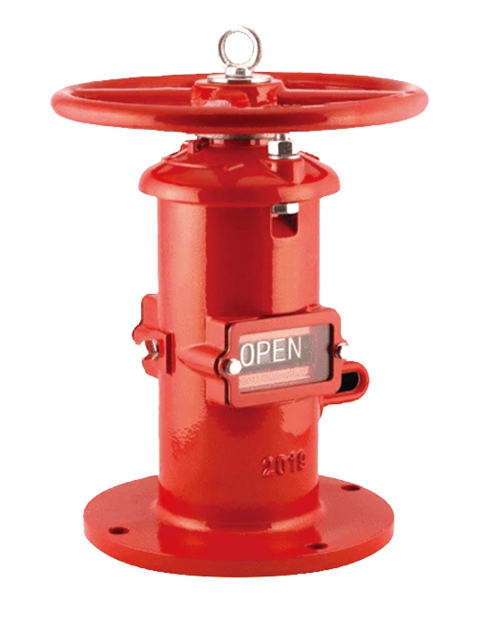
When crafting a standout PIV design, it's crucial to focus on seamless integration with existing systems, ensuring that the ventilation system doesn't just work in isolation but enhances overall airflow efficiency. By prioritizing adaptability and ease of maintenance, optimal designs minimize downtime and operational costs, making them a practical choice for diverse industrial settings.
Energy efficiency is another cornerstone of an effective PIV setup, where advanced technologies like smart sensors and variable speed drives can dynamically adjust airflow based on real-time conditions. This not only reduces energy consumption but also maintains ideal ventilation levels without constant manual intervention, leading to substantial long-term savings and a greener footprint.
Lastly, a well-thought-out PIV design emphasizes reliability and safety, incorporating robust materials and fail-safe mechanisms to withstand harsh environments. By balancing performance with durability, it provides consistent air quality and comfort, ultimately contributing to a healthier and more productive workspace.
Installation Best Practices for Fire Safety
When it comes to installing fire safety equipment, it's not just about following a checklist—it's about creating a system that truly protects people and property. One key aspect often overlooked is considering the specific layout and occupancy of your building. For instance, smoke detectors in high-ceiling areas may need strategic placement to catch rising smoke effectively, while those in kitchens or bathrooms should be positioned to avoid false alarms from steam or cooking. Don't just slap devices on walls; take time to assess airflow patterns, potential fire sources, and escape routes. This tailored approach ensures that when trouble hits, your system responds precisely as intended.
Another vital practice is using proper materials during installation. Skimping on mounting brackets, wiring, or seals might save a few bucks upfront, but it can lead to failures under stress. Opt for fire-rated components that match your equipment's specifications—like UL-listed parts for electrical connections—to maintain integrity in extreme conditions. It's also smart to test everything post-installation: simulate a fire drill to check detector responsiveness, verify alarm audibility in all rooms, and ensure sprinklers aren't obstructed by furniture. These steps might seem tedious, but they're what separate a reliable setup from one that's merely cosmetic.
Beyond the technicalities, involve everyone in the building from day one. Training staff or residents on how the installed systems work—like pulling an alarm correctly or clearing exit paths—can make all the difference in an emergency. Think of it as weaving safety into daily routines, not just installing hardware and forgetting it. This holistic view, paired with meticulous installation, builds a fire safety net that's both robust and intuitive, ready to shield lives when seconds count.
Maintenance Tips to Ensure Reliability
Keeping your systems in top shape doesn't have to be a chore. Think of it like giving your gear a little TLC—small, regular check-ins can prevent big headaches down the road. For example, schedule quick visual inspections weekly to spot early signs of wear, like frayed cables or unusual noises. This proactive approach not only extends equipment life but also builds confidence that everything will run smoothly when you need it most.
Another key aspect is staying on top of software updates and calibrations. Outdated programs or misaligned settings often lead to glitches that compromise performance. Set reminders to review manufacturer recommendations and tweak configurations based on actual usage patterns. It's like fine-tuning an instrument: subtle adjustments can make a world of difference in achieving consistent, reliable results without unexpected downtime.
Don't underestimate the power of a clean environment, either. Dust and debris might seem harmless, but they're stealthy culprits behind overheating and component failures. Make it a habit to wipe down surfaces and ensure proper ventilation around your setup. Pair this with logging any minor issues in a simple journal—over time, these notes reveal patterns that help you anticipate and address problems before they escalate, turning reliability from a goal into a daily reality.
Benefits of Choosing a Certified PIV
When you opt for a certified PIV (Personal Identity Verification) card, you’re not just picking any credential—you’re selecting a tool that has undergone rigorous testing to meet strict standards. This certification process ensures the card’s security features, like advanced encryption and tamper-proof materials, are top-notch. In practice, this means you can trust it to protect sensitive data and access points, giving you peace of mind in environments where security is non-negotiable.
Beyond security, certified PIV cards often come with added convenience and interoperability. They’re designed to work seamlessly across different systems and organizations, reducing the hassle of managing multiple credentials. Whether you’re in government, healthcare, or finance, this compatibility can streamline operations, save time, and cut down on administrative overhead. It’s a practical choice that keeps things running smoothly without sacrificing protection.
Choosing a certified option also puts you ahead of the curve in terms of compliance and future-proofing. Many industries have evolving regulations, and a certified PIV helps you stay aligned without constant updates. This proactive approach can prevent costly reconfigurations or breaches down the line. Ultimately, it’s an investment in reliability and adaptability, ensuring your identity management stays resilient as needs change over time.
Real-World Applications and Case Studies
In healthcare, the integration of artificial intelligence has transformed diagnostic processes and patient care. For instance, algorithms now analyze medical images like X-rays and MRIs with remarkable accuracy, helping doctors detect conditions such as cancer at earlier stages. Hospitals in several countries have reported reduced waiting times and improved outcomes through these AI-driven systems, making personalized treatment plans more accessible.
Retail businesses around the globe are leveraging AI to enhance customer experiences and optimize operations. Online platforms use recommendation engines to suggest products based on browsing history, while physical stores employ smart sensors and data analytics to manage inventory efficiently. Case studies from major retailers show significant increases in sales and customer loyalty, highlighting how these technologies adapt to consumer behaviors in real-time.
Environmental monitoring and sustainability efforts benefit greatly from advanced technologies. For example, sensors and satellite data powered by machine learning track deforestation and pollution levels, enabling quicker responses to ecological threats. Projects in regions like the Amazon rainforest and urban areas demonstrate how these tools support conservation and policy-making, fostering a more resilient approach to global challenges.
FAQ
A UL FM Post Indicator Valve (PIV) visually displays the open or closed status of a water supply valve, typically used in fire sprinkler systems to allow quick inspection and control during emergencies.
Optimizing Fire Marshal (FM) certified systems with top-quality PIVs enhances reliability by ensuring valves function correctly, reducing downtime and improving response times in fire incidents.
Choosing a certified PIV that meets UL and FM standards helps facilities adhere to local and national fire codes, avoiding penalties and ensuring thorough inspections.
Prioritize valves with durable materials, clear visual indicators, easy maintenance access, and certifications to withstand harsh conditions without compromising performance.
PIVs are frequently installed in commercial buildings, industrial plants, hospitals, schools, and high-rise structures where reliable fire suppression systems are critical.
Regular maintenance, such as lubrication and leak checks, prevents valve failure, ensures smooth operation, and extends the lifespan of the entire fire protection setup.
Yes, high-quality PIVs minimize repair needs and downtime, leading to lower maintenance expenses and fewer disruptions over time.
Strategic placement in accessible locations allows for quick visual checks and faster valve adjustments, enhancing emergency response and system management.
Conclusion
Optimizing FM systems is critical for enhancing fire safety, where selecting the best UL FM Post Indicator Valve (PIV) plays a pivotal role. Understanding the UL FM Post Indicator Valve involves recognizing it as a durable, certified device that clearly indicates water flow status, essential for preventing false alarms and ensuring quick response. Key features of an optimal PIV design include robust construction, ease of maintenance, and compliance with stringent standards, which collectively improve system reliability and longevity. By integrating these aspects, facilities can achieve more efficient fire protection systems that are both cost-effective and highly functional.
Installation best practices for fire safety emphasize proper placement and adherence to guidelines to maximize PIV performance, while regular maintenance tips ensure ongoing reliability through inspections and timely repairs. The benefits of choosing a certified PIV extend beyond compliance, offering enhanced safety, reduced liability, and peace of mind. Real-world applications and case studies demonstrate how optimized systems with quality PIVs prevent disasters, such as in industrial plants or commercial buildings, showcasing tangible improvements in emergency response times and overall fire management. This holistic approach underscores the valve's key role in safeguarding lives and property effectively.
Contact Us
Contact Person: George
Email: [email protected]
Tel/WhatsApp: 13863633883
Website: https://www.es-fire.com