

ODM Stationary Office Chair Essentials for a Comfortable Workspace
2026-11-16
A well-chosen office chair can quietly shape how you feel through the workday, yet it is often the last thing we upgrade. From lumbar support to seat depth and breathable mesh, the details matter more than they first appear. In this guide, we break down the ODM stationary office chair essentials that make a workspace genuinely comfortable. Whether you are refreshing a home office or fitting out a team, OFCJNS focuses on practical ergonomics without the guesswork.
What Actually Changes When a Fixed Chair Fits Your Work Style
The first shift is almost too small to notice. Your shoulders drop away from your ears, your elbows settle closer to your ribs, and the lower back stops doing the quiet work of holding you upright on its own. A fixed chair that matches how you actually sit removes the constant micro-adjustments you did not realize you were making. That means less tension in the hips and fewer moments of standing up just to shake off stiffness.
The second change shows up in attention. When you are not shifting your weight every few minutes or bracing one foot against the floor, your focus stays on the screen or the conversation in front of you. Meetings feel less physically irritating, and long stretches of writing or coding become easier to sustain. The chair does not make the work lighter, but it stops adding a low-grade physical distraction to it.
Over a few weeks, the bigger difference is rhythm. You begin to move because you want to move, not because your back hurts. Standing, stretching, and stepping away become choices rather than corrections, which changes how the whole day feels.
Seat Pan Depth and Tilt Tension Checks Most People Skip
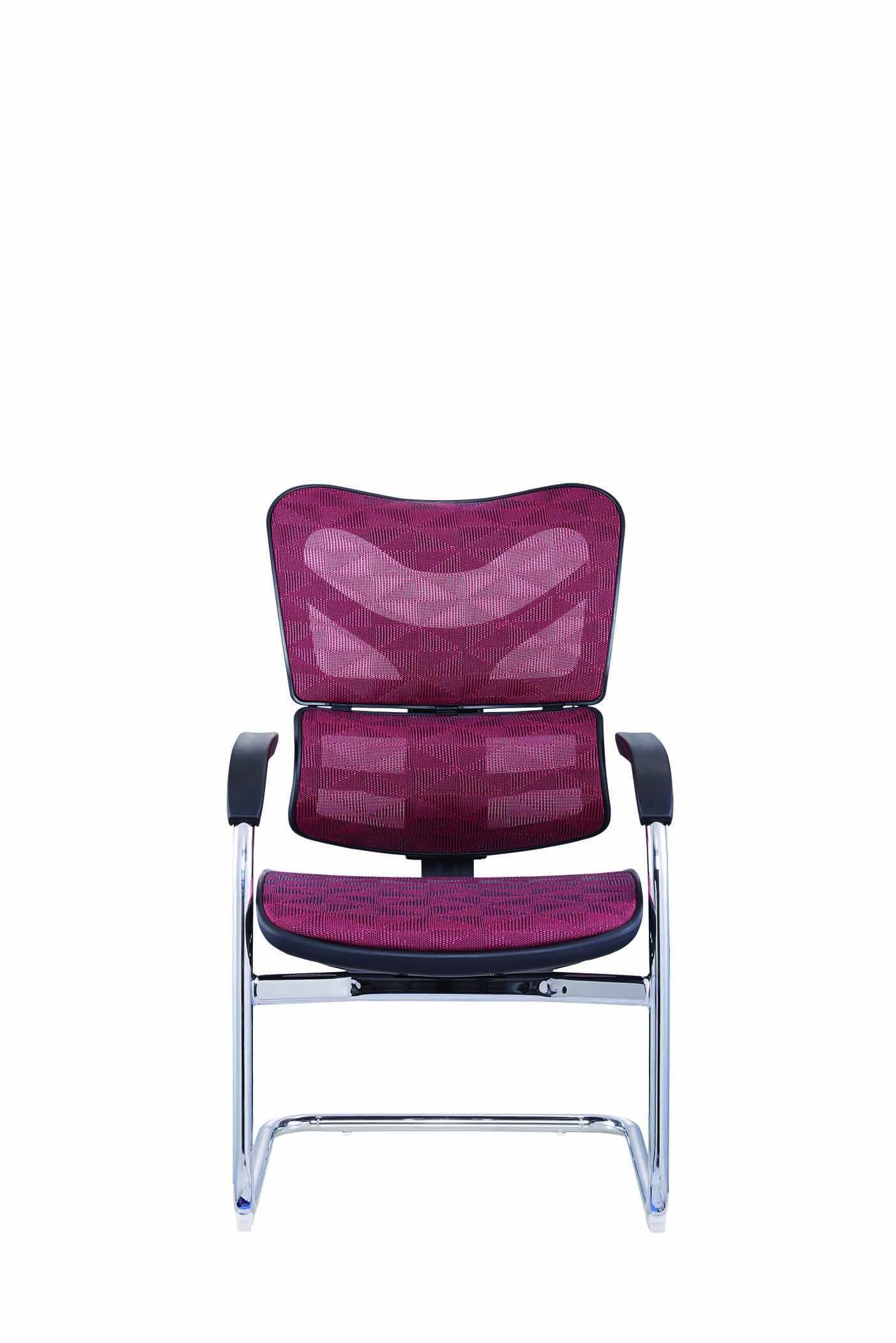
A quiet habit among long-time chair users is reaching for the tilt tension knob only when the recline feels loose, completely ignoring how the seat pan depth interacts with that adjustment. If the front edge of the seat presses into the back of your knees before you even lean back, tightening the tilt will not fix the pressure. Sliding the pan forward or backward by a finger-width can shift your hip angle enough that the recline feels entirely different, yet most people never touch it after the first week.
The overlooked check is to sit all the way back with your feet flat, then curl your fingers under the front of the seat cushion. You should fit two to three fingers between the cushion edge and the back of your calf. If you cannot fit them, the pan is too deep and your lower back will round to compensate, making every tilt adjustment feel wrong. If there is more than a fist of space, the pan is too shallow and your thighs lose support, so you end up cranking the tilt tension higher just to feel stable.
A practical way to reset both settings is to loosen the tilt tension completely, adjust the seat pan depth until the two-to-three-finger gap holds without effort, then slowly tighten the tension while rocking back once or twice. Stop when the chair follows your upper body without slamming you forward. This two-minute pairing of pan depth and tension removes the constant fidgeting that happens when only one of them gets attention.
Lumbar Support That Does Not Feel Like a Wall
Most lumbar supports make their presence known in the worst way. They press into your lower back with a stiff, unyielding shape that feels more like a rolled-up towel left in the seat than a thoughtful design choice. This support takes a different route. It gives your spine a gentle point of contact and then steps back, letting your posture settle without forcing you into one position.
The secret is in how the pressure spreads. Rather than concentrating force in a single ridge, the surface follows the natural curve of your back and distributes weight across a broader area. You can shift slightly, reach for the wheel, or relax into a longer drive, and the support adjusts with you instead of staying rigid against you.
What you notice after a while is not the support itself but what is missing. There is no sharp pressure point, no constant need to readjust, and no stiff slab pushing back with every bump in the road. It simply keeps your lower back from sinking into a slouch, without turning the seat into a wall.
Fabric, Mesh, and Cushion Choices That Last Past Lunch
Spilled dressing at noon shouldn't decide whether a chair survives the quarter. Tightly woven polyester blends with a slight texture hide the daily grind better than flat, light-colored upholstery, and they wipe down before the stain sets. For higher-traffic spots, look for fabrics rated above 50,000 double rubs; anything lower tends to show thinning near the front edge by the time the next fiscal year starts.
Mesh gets praised for breathability, but the real difference is in the knit. A denser, multi-zone mesh holds its tension through repeated leaning instead of sagging into a hammock shape by mid-afternoon. If the back panel feels springy when pressed with two fingers but still resists, it is likely built to keep its shape rather than just look airy in a showroom.
Cushion foam matters more than the showroom squish. Molded or high-resilience foam with a firmer top layer tends to avoid the pancake effect after a few months of lunches and long calls. Pair that with a fabric or mesh that doesn't bow under heat and humidity, and the seat stays comfortable past the point where cheaper options start creaking and flattening.
Armrest and Desk Height Pairings Without the Awkward Lean
Finding the right armrest height usually comes down to one quiet test: rest your elbows at 90 degrees and see where your hands land. If the armrests sit higher than the desk surface, you end up tilting your wrists or leaning to one side just to type. Lowering them until your forearms brush the desk edge without pressing into it makes the whole setup feel less like a balancing act.
The real trouble starts when the chair and desk are bought or adjusted separately. A fixed desk at 29 inches pairs badly with armrests that only reach 24 inches, because your elbows hover and your shoulders creep upward. Shimming the chair height helps only if your feet still touch the floor, so a footrest often becomes the missing piece rather than another cushion.
Instead of matching numbers, match the load path: elbows, wrists, and desk edge should line up closely enough that you can slide the chair forward without rotating your torso. If the armrests block that movement, set them just below the desk so they support your elbows in pauses but stay out of the way while typing.
A Ten-Minute Setup Routine That Keeps the Chair Feeling Right
Most people only notice a chair drifting out of adjustment after their back starts complaining, which is why a short Friday reset works better than chasing perfect settings once a month. I sit down, plant my feet flat, and run through the usual offenders: seat height just below the kneecap, armrests low enough that my shoulders stay relaxed, and the lumbar pad sitting in the small of my back instead of poking my ribs.
After that I lean back and pay attention to the tilt tension. If the chair wants to fling me forward or takes real effort to hold a recline, I turn the knob a quarter turn at a time until it feels neutral. Then I check the casters, the gas lift, and any bolts under the seat pan. Ten minutes is usually enough to catch the small stuff before it turns into an afternoon of fidgeting.
The routine sticks because it is not about getting a textbook ergonomic setup. It is about noticing what has changed, whether the seat has dropped half an inch, an armrest has loosened, or the mesh has started to soften, and making small corrections while they are still easy.
FAQ
The fixed base keeps the chair planted when you push back or lean forward, so there is no slow drift during keyboard work. It also removes the need to mind casters on hard floors or mats.
Start with your feet flat on the floor and raise or lower the seat until your knees are close to a 90-degree angle. If your thighs slope upward or your heels lift, make small adjustments until the seat edge stops pressing into the back of your legs.
It helps to place the support just above the waistband line rather than at the middle of the back. Rock slightly against it before tightening the setting and you should feel steady contact without being pushed forward.
Yes, because the stationary footprint is usually narrower than a caster base and the chair does not need extra clearance to roll back. Tuck it close to the desk and leave enough room to stand without stepping over a wheel track.
Any level floor works, but a low-pile rug or a thin mat gives a firm footing and prevents the base from sliding on glossy tile. On hardwood, check the base pads occasionally and wipe the floor free of grit.
Vacuum or wipe the fabric weekly if you use it daily, and clean spills quickly with a damp cloth rather than rubbing them in. Every couple of months, check the bolts under the seat and apply a little dry lubricant to the tilt mechanism if it starts to sound dry.
It works best when you pair it with a desk at standard sitting height or a converter that lowers far enough for seated work. You may want a footrest if the converter's lowest position still leaves your feet dangling.
You can sit upright for typing, but the backrest should let you ease into a slight recline during calls or reading. The key is keeping the backrest tension firm enough that it follows your movement instead of dropping away suddenly.
Conclusion
A fixed office chair only becomes comfortable when the adjustments stop being abstract features and start matching the way you actually sit. Seat pan depth is the first detail worth checking: if the front edge presses into the back of your knees or leaves too much gap behind them, even a well-padded cushion will feel wrong by mid-afternoon. Tilt tension matters just as much, because a chair that rocks too easily breaks your posture, while one that barely moves keeps you rigid. Lumbar support should follow the curve of your lower back without shoving you forward, so look for a piece that can be moved up or down rather than a fixed bulge. Fabric, mesh, and cushion options are not only about looks; a breathable mesh back can keep you cooler through long stretches, while a dense seat cushion holds its shape better than soft foam that flattens before lunch.
Armrest height usually gets ignored until shoulder tension shows up, but the right setting lets your elbows rest close to your sides with your forearms level to the desk, so you are not leaning sideways or hitching your shoulders. The ten-minute setup routine is less about perfect measurements and more about repeated small corrections: adjust seat depth first, then tilt resistance, then lumbar height, and finally armrests after your desk height is fixed. Going through that order once a week keeps the chair feeling balanced instead of gradually drifting into discomfort. These details add up because a stationary chair does not rely on movement to mask poor fit; it has to hold you well in one place for hours.
Contact Us
Contact Person: Diff Wang
Email: [email protected]
Tel/WhatsApp: +8613650281199
Website: https://www.ofcmeshchair.com/