

ODM Aluminum Patrol Boat: Design, Features, and Applications
2026-08-03
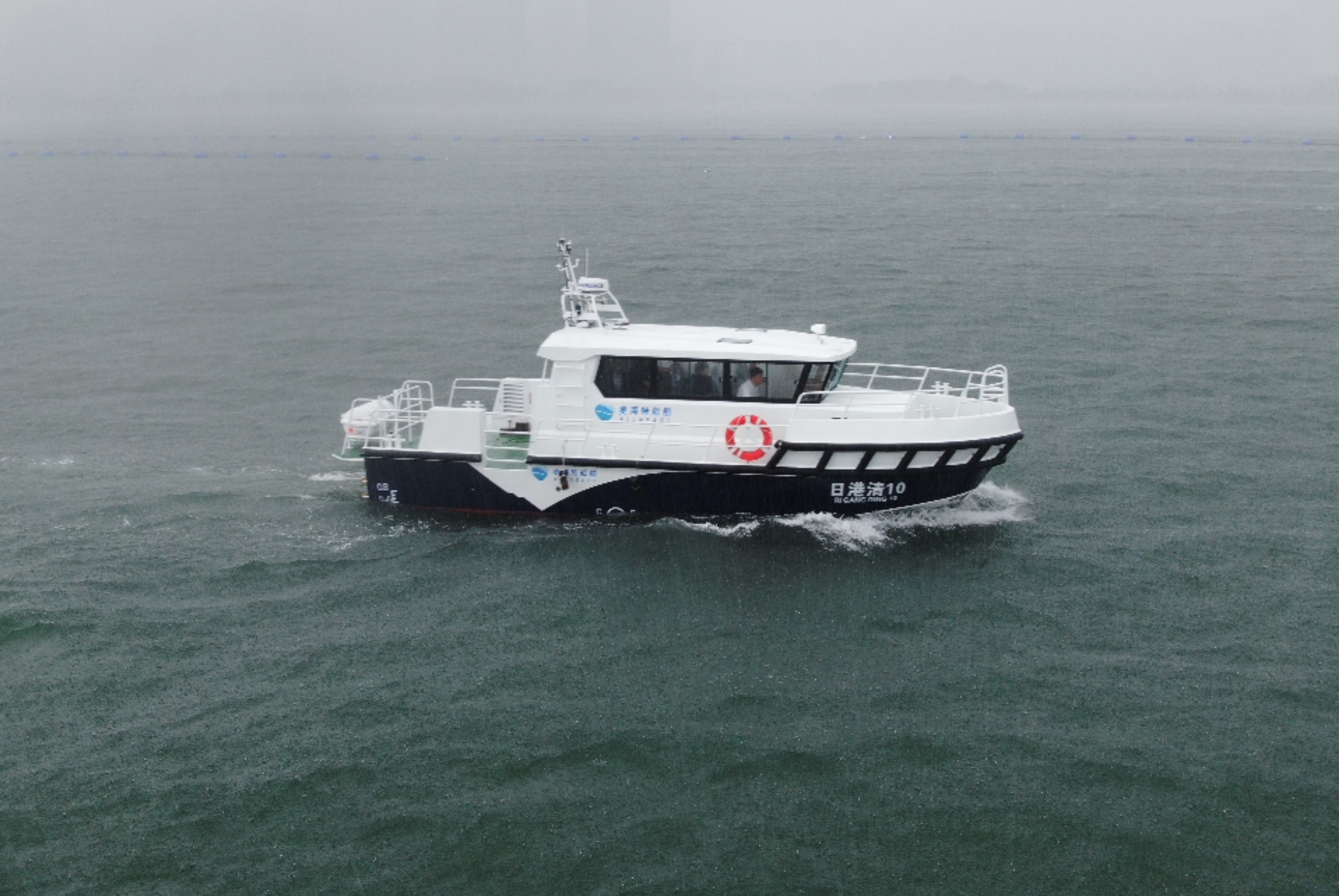
When it comes to demanding patrol missions, the choice of vessel can mean the difference between success and failure. Enter the ODM aluminum patrol boat—a purpose-driven design that redefines durability, speed, and versatility on the water. From law enforcement to offshore security, these boats are built to handle the toughest conditions without compromise. At Allheart, we understand that every patrol requirement is unique, which is why our ODM approach tailors each aluminum hull to exact operational needs. In this article, we’ll dive into the cutting-edge design, standout features, and real-world applications that make these boats a top choice for professionals who refuse to settle for anything less than the best.
Rethinking Patrol Boat Construction with Aluminum
For decades, steel and fiberglass dominated patrol boat construction, each with well-understood trade-offs. Steel offers toughness but carries a heavy weight penalty that limits speed and fuel efficiency. Fiberglass can be molded into sleek forms but suffers from brittleness and UV degradation over time. Aluminum, by contrast, strikes a compelling balance: it is roughly one-third the weight of steel, naturally corrosion-resistant in marine environments, and easily recyclable. Modern marine-grade alloys like 5083 and 5383 provide the structural integrity needed for high-speed pursuits and rough-water operations, prompting naval architects to reconsider aluminum as a primary hull material.
The shift toward aluminum isn’t just about swapping materials—it fundamentally changes how patrol boats are designed and assembled. Aluminum’s malleability allows for complex, lightweight stiffened panel structures that can be prefabricated and welded with precision, reducing build time and labor. This opens the door to more modular designs where components like weapon mounts, sensor arrays, and crew compartments can be integrated seamlessly. Moreover, aluminum’s thermal conductivity aids in dissipating heat from engines, a critical advantage in vessels that operate at high speeds for extended periods. The result is a patrol boat that accelerates faster, burns less fuel, and requires a smaller engine for equivalent performance, redefining operational expectations.
Maintenance routines also evolve with aluminum-hulled patrol boats. Without the constant need to sandblast and repaint steel to stave off rust, upkeep becomes less labor-intensive and more predictable. Galvanic corrosion can be managed with proper isolation and sacrificial anodes, while modern coatings protect against fouling. Over a vessel’s lifespan, the cost savings from reduced maintenance and fuel consumption can offset the higher initial price of aluminum fabrication. Crews benefit too: aluminum’s non-magnetic properties make it ideal for mine-countermeasure operations, and its lighter weight translates into improved seakeeping and comfort during long patrols. Together, these factors make a compelling case for rethinking patrol boat construction from the keel up.
Onboard Systems That Empower the Crew
The cockpit becomes a second home when the instruments feel intuitive rather than intrusive. Instead of burying essential data in nested menus, thoughtfully designed onboard systems surface critical flight information precisely when it matters. By integrating adaptive displays with tactile controls that respond to familiar gestures, the crew stays connected to the aircraft's rhythms without drowning in complexity. It's about building a partnership between human instinct and machine logic, where every alert is a nudge, not a noise.
Reducing cognitive load isn't merely a design goal—it's a safety imperative. Onboard systems that anticipate routine needs, autofill flight log entries, or adjust cabin pressure profiles based on phase of flight let pilots focus on the unexpected. When the technology seamlessly tracks the small stuff, crews preserve mental bandwidth for strategic decision-making. Even subtle touches, like context-aware lighting shifts that mirror time zones or rest cycles, can turn a long-haul segment into a more human experience.
The real test of any system comes during high-stress moments. Whether it's a weather deviation or a sudden equipment anomaly, the onboard tools should serve as an extension of the crew's training—rapidly filtering data, suggesting prioritized checklists, and illuminating the path of least risk. That level of synergy doesn't emerge from feature bloat; it comes from deep collaboration with flight crews during development. When the technology simply works in the background, the crew's expertise can shine in the foreground, delivering smoother outcomes for everyone on board.
Durability That Outlasts Harsh Marine Environments
When salt spray, relentless UV exposure, and pounding waves become daily realities, only materials with genuine resilience can hold their own. Our components are forged from marine-grade alloys and coated with advanced anti-corrosion layers that actively resist pitting and crevice attack. Every surface is engineered to shed moisture and prevent the kind of microscopic damage that quietly undermines lesser structures over time.
This isn't just about surviving a season or two—it's about standing firm through decades of punishing conditions without losing structural integrity. We've tested our designs in the world's most unforgiving coastal zones, from tropical harbors where humidity accelerates decay to northern latitudes where ice scouring adds another layer of stress. The result is hardware that maintains its strength and appearance far beyond the expected lifespan of standard marine equipment.
What truly sets this durability apart is how it eliminates the constant cycle of repair and replacement. Dock masters and vessel operators tell us they've forgotten what corrosion-related downtime feels like. That kind of quiet reliability changes the game—letting you focus on operations instead of upkeep, and ultimately redefining what 'tough enough' really means in a marine context.
From Coast Guard to Customs: A Broad Mission Profile
The organization’s mandate stretches far beyond traditional border enforcement, weaving together maritime safety, trade facilitation, and national security into a single operational fabric. Originally rooted in coastal defense and search-and-rescue, the service has evolved to embrace customs inspection, vessel traffic management, and law enforcement across vast waterways. This fusion of roles demands a versatile skill set, where personnel might start the day boarding a cargo ship for contraband checks and end it coordinating a rescue in rough seas — a rhythm that defies any narrow job description.
What makes this dual identity so distinctive is the daily interplay between enforcement and assistance. On any given patrol, teams are just as likely to inspect a container for illegal goods as they are to respond to a medical emergency on a remote island. The mission isn’t simply about policing; it’s about safeguarding the flow of commerce while stepping in when lives are at risk. That balance creates a working culture where vigilance and compassion coexist, often within the same hour.
Beneath the surface, the breadth of responsibility fosters a unique institutional memory. Veterans carry not only tactical know-how but also an intimate understanding of seafaring communities, smuggling patterns, and environmental sensitivities. Newer recruits quickly learn that their badge represents a dozen different duties, from environmental protection to immigration screening, making the service a quiet cornerstone of both security and humanitarian response.
The Subtle Art of Hydrodynamic Design
Great hydrodynamic design rarely announces itself with dramatic flourishes. It is a discipline of whispers, where the slightest curvature of a hull or the angle of a fin can separate an efficient vessel from a fuel-hungry brute. The key lies not in chasing a single perfect shape but in understanding how water interacts with surfaces at various speeds and scales. A profile that slices through calm seas may become unstable in a following swell, forcing designers into an endless dance between form and function.
Nature remains the quiet mentor in this field. The tapered bodies of dolphins and tuna, for instance, have inspired more marine innovations than any blueprint, yet copying them wholesale often fails. The art involves extracting principles—subtle pressure gradients, flexible trailing edges, and surface textures that manipulate boundary layers—and adapting them to human constraints. A ship’s bulbous bow, for example, is not just a blunt protrusion but a carefully tuned device that reshapes the bow wave, cutting resistance in a way that is invisible to the casual eye.
The true mastery lies in balancing competing demands without compromising the whole. A design optimized purely for calm-water drag might behave poorly in storms, while one ruggedized for heavy seas wastes energy under normal conditions. Designers must weigh structural weight against stability, propulsion efficiency against maneuverability, and cost against longevity. This quiet negotiation between physics, economics, and aesthetics is what elevates hydrodynamic design from engineering to a subtle art.
Why Customization Matters in Patrol Boat Manufacturing
Every stretch of coastline, river system, or port facility presents its own set of challenges—variable water depths, distinct climate patterns, and specific security threats. A one-size-fits-all patrol boat simply cannot address these diverse demands effectively. Customization allows agencies to integrate equipment and design features that match their operational reality, whether that means shallow-draft hulls for brown-water operations, reinforced decks for heavy weaponry, or specialized navigation suites for extreme weather. Without this level of tailoring, a vessel risks becoming a compromise machine that performs adequately in most conditions but excels in none.
Beyond operational fit, customization ensures that the crew can perform at their best over long missions. Ergonomics, layout, and onboard systems can be adapted to the specific workflows and physical requirements of the personnel who will spend days—sometimes weeks—aboard the boat. From shock-mitigating seating that reduces fatigue during high-speed pursuits to medical bays configured for a particular humanitarian role, these details directly influence mission success. A custom build also simplifies maintenance and upgrades down the line, as components are selected with the end user’s technical expertise and supply chain in mind.
Finally, customization supports long-term value by aligning the vessel with an agency’s strategic evolution. A patrol boat is a capital investment meant to serve for decades. By working closely with manufacturers to embed modularity and scalability into the design, operators can adapt to new threats, regulations, or technologies without replacing the entire fleet. This forward-looking approach transforms the boat from a static asset into a dynamic platform that grows alongside its mission, delivering sustained relevance and return on investment.
FAQ
It features a deep-V hull crafted from marine-grade aluminum, which delivers superior stability and smooth rides even in choppy waters. The lightweight yet robust construction allows for agile maneuvering and improved fuel efficiency without sacrificing durability.
Aluminum offers excellent corrosion resistance, making the boat ideal for saltwater and freshwater environments. It also reduces maintenance needs compared to steel or fiberglass, while providing high strength-to-weight ratio for better speed and payload capacity.
Buyers can choose between inboard or outboard engine configurations, often with multiple engine setups for redundancy. The boat supports both diesel and gasoline engines, allowing operators to tailor speed, range, and fuel economy to their mission profiles.
The boat is equipped with integrated navigation and communication systems, night vision capabilities, and a reinforced bow for boarding operations. Optional ballistic protection and weapon mounts can be added, while shock-mitigation seating ensures crew comfort during long patrols.
It excels in coastal surveillance, anti-smuggling operations, search and rescue, port security, and offshore asset protection. Its modular deck layout allows quick reconfiguration for tasks ranging from law enforcement to environmental monitoring.
ODM offers a fully tailored build process where clients can specify cabin layout, seating arrangements, storage compartments, and electronics packages. Hull color, lighting setups, and auxiliary systems can also be customized to match operational requirements and branding.
The boat includes watertight compartments, self-bailing decks, and redundant bilge pump systems. A sturdy rub rail and non-skid surfaces enhance boardings, while fire suppression and automatic engine shutdown systems provide additional protection in emergencies.
A climate-controlled cabin with ergonomic consoles reduces fatigue during extended missions. Sound insulation, ample storage for supplies, and a dedicated rest area ensure the crew can operate effectively for longer periods without returning to base.
Conclusion
The shift toward aluminum in patrol boat construction isn’t just about saving weight—it fundamentally rethinks how a vessel interacts with water, weather, and mission demands. By moving away from traditional steel or fiberglass, builders can shape hulls with a precision that turns hydrodynamic design into a quiet competitive edge: subtle variations in deadrise, chine geometry, and strake placement work together to soften wave impacts, cut spray, and improve stability during high-speed pursuits. This material choice also brings an inherent corrosion resistance that keeps the structure sound through years of saltwater exposure, even when maintenance windows are limited. Far from being a simple swap, aluminum construction invites a more integrated approach to durability, allowing the entire platform to absorb the punishing rhythms of patrol duty without the fatigue cracking or rust you’d expect from less forgiving materials.
What truly sets an ODM aluminum patrol boat apart, though, is how customization weaves together onboard systems and mission flexibility. Rather than offering a generic setup, the builder treats navigation, communication, and sensor suites as a tailored ecosystem: helm layouts can be rearranged, consoles reconfigured, and autonomous options layered in without compromising the crew’s intuitive control. This adaptability means the same hull might seamlessly shift from coast guard search and rescue to customs interdiction, with equipment and ergonomics fine-tuned for each role. It’s the difference between bolting on accessories and genuinely integrating mission-specific capabilities—from shock-mitigating seating that keeps a boarding team fresh, to modular weapon mounts that don’t interfere with sightlines. In the end, the boat becomes less of a pre-defined product and more of a collaborative solution, shaped around the people who will push it through the roughest assignments.
Contact Us
Contact Person: Benny Hu
Email: [email protected]
Tel/WhatsApp: +8618354225697
Website: https://www.allheartmarine.com/