

Manufacturer Insights: Flat and Profiled Wire Rolling Mills for Efficient Production
2026-01-22
In the high-stakes world of wire manufacturing, achieving peak efficiency and precision is non-negotiable. If you've ever grappled with the complexities of producing flat and profiled wire—whether for automotive components, electronics, or industrial applications—you know that conventional rolling mills often fall short. Enter GRM’s innovative flat and profiled wire rolling mills, engineered to transform your production line from a bottleneck into a powerhouse. This blog dives deep into how these advanced mills optimize material flow, reduce waste, and deliver consistent quality, all while slashing operational costs. Ready to see how GRM’s cutting-edge technology can elevate your manufacturing game? Let’s explore the insights that are reshaping the industry—one roll at a time.
Enhancing Production Efficiency with Advanced Rolling Mill Technology
By integrating state-of-the-art rolling mill systems, manufacturers are achieving remarkable boosts in output and product quality. These innovations, such as computer-controlled automation and real-time monitoring, streamline operations to minimize downtime and reduce material waste. The result is a more agile production line that adapts quickly to changing demands while maintaining consistent precision.
Beyond speed, advanced technology enhances sustainability and safety, allowing facilities to operate with greater energy efficiency and fewer manual interventions. This shift not only drives cost savings but also fosters a competitive edge in today's fast-paced market, where every improvement in throughput can translate to significant business advantages.
Looking ahead, the continuous evolution of rolling mill tech, including AI-driven predictive maintenance and eco-friendly designs, promises even greater efficiency gains. Companies that invest in these solutions are positioning themselves to lead the industry, turning complex challenges into opportunities for growth and innovation.
Key Features of Modern Flat and Profiled Wire Rolling Solutions
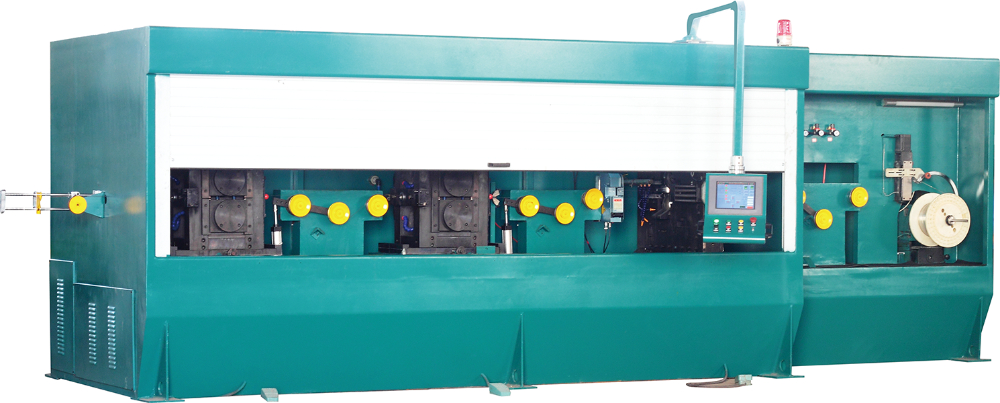
Modern flat and profiled wire rolling solutions are engineered to deliver unparalleled precision and efficiency in industrial applications. These advanced systems incorporate high-speed rolling mills that can process various materials, including steel, copper, and aluminum, with tight tolerance control down to micrometers. By leveraging automated feed systems and real-time monitoring, they ensure consistent product quality while minimizing material waste, making them ideal for sectors like automotive manufacturing and electronics where exact specifications are crucial.
A standout feature is the integration of adaptive control technologies, which allow for seamless adjustments during the rolling process to accommodate different profiles and thicknesses. This flexibility enables operators to switch between complex shapes—such as rectangular, trapezoidal, or custom-designed wires—without extensive downtime. Coupled with energy-efficient drives and cooling mechanisms, these solutions not only boost production throughput but also reduce operational costs, giving companies a competitive edge in fast-paced markets.
Moreover, modern rolling solutions prioritize user-friendliness and durability through robust construction and intuitive interfaces. Many models come equipped with predictive maintenance sensors that alert operators to potential issues before they escalate, ensuring minimal disruptions. This focus on reliability, combined with the ability to produce high-strength, defect-free wires, makes these systems a cornerstone for industries demanding both innovation and long-term performance in wire fabrication.
Optimizing Material Flow and Quality Control in Wire Manufacturing
In the wire manufacturing industry, optimizing material flow is crucial for enhancing both efficiency and product quality. This involves streamlining the movement of raw materials, such as copper or steel rods, from initial storage to processing stages like drawing, annealing, and coating. By implementing lean management techniques and automated conveyor systems, manufacturers can reduce bottlenecks and minimize waste, leading to faster production cycles and lower operational costs. A well-orchestrated material flow ensures that each step in the production line receives inputs just in time, preventing delays and maintaining a steady output without compromising on precision.
Quality control in wire manufacturing goes beyond simple defect detection; it encompasses a holistic approach to maintaining consistent standards across all stages. Advanced technologies like real-time sensors and data analytics enable continuous monitoring of key parameters such as diameter, tensile strength, and surface finish. For instance, automated inspection systems can identify imperfections or variations during the drawing process, allowing for immediate adjustments. This proactive stance not only reduces the likelihood of faulty products reaching the market but also fosters a culture of quality where every employee is engaged in upholding stringent specifications, ultimately boosting customer trust and competitive edge.
Integrating material flow optimization with robust quality control measures creates a synergistic effect that drives overall manufacturing excellence. When material handling is efficient, it supports consistent quality by reducing the risk of contamination or damage during transit. Conversely, high-quality standards encourage smoother workflows, as fewer reworks or rejections mean less disruption. In practice, this might involve adopting digital twin simulations to model and refine processes before implementation, ensuring that both flow and quality are aligned from the start. Such a comprehensive strategy not only meets industry regulations but also positions manufacturers to adapt quickly to evolving market demands, yielding durable and reliable wire products.
Customization Options for Diverse Industrial Applications
Industrial sectors thrive on tailored solutions that address unique challenges, from manufacturing and logistics to energy and construction. Customization ensures that equipment, software, or services are finely tuned to meet specific operational needs, enhancing efficiency and reducing downtime. For example, in heavy machinery, adapting components to handle varying materials or environmental conditions can significantly boost productivity and safety.
Beyond hardware, customization extends to software platforms, where flexible interfaces and modular designs allow businesses to integrate systems seamlessly. This adaptability supports scalability, enabling companies to evolve without constant overhauls. Industries like healthcare and agriculture benefit from such bespoke approaches, as they can incorporate real-time data analytics and IoT connectivity to optimize processes and outcomes.
The key lies in a collaborative approach between providers and clients, focusing on long-term value rather than one-size-fits-all solutions. By leveraging advanced technologies like AI and robotics, customized options empower industries to innovate continuously, staying ahead in competitive markets while addressing sustainability goals and regulatory requirements.
Integrating Smart Systems for Real-Time Operational Insights
Integrating smart systems into business operations allows organizations to tap into continuous data streams, enabling a deeper understanding of daily activities. By connecting sensors, IoT devices, and software tools, companies can monitor everything from production lines to customer interactions in real time. This seamless integration helps uncover patterns and inefficiencies that might otherwise remain hidden in traditional reporting cycles.
The true power of these systems lies in their ability to transform raw data into actionable insights almost instantaneously. For instance, a manufacturing plant can receive alerts about equipment anomalies before they cause downtime, while retail managers can adjust inventory based on live sales trends. This proactive approach not only boosts efficiency but also empowers teams to make quicker, data-driven decisions without relying on guesswork or outdated information.
To stand out in today's competitive landscape, businesses are leveraging these insights to personalize customer experiences and optimize supply chains dynamically. By integrating AI and machine learning, smart systems can predict future challenges and recommend tailored solutions, fostering a culture of innovation. This shift from reactive to predictive models ensures that operations remain agile and responsive to changing market demands, setting leaders apart from those still stuck in static data analysis.
Sustainable Practices and Energy Savings in Rolling Mill Operations
In modern rolling mills, adopting sustainable practices isn't just about meeting environmental regulations; it's a strategic move to enhance operational efficiency and reduce costs. By implementing technologies like regenerative drives that capture and reuse energy from decelerating rollers, facilities can significantly cut electricity consumption. Moreover, integrating real-time monitoring systems allows operators to adjust parameters on the fly, minimizing waste and optimizing material usage, which not only boosts productivity but also lessens the overall environmental footprint of steel production.
Energy savings in these operations often stem from innovative approaches such as upgrading to high-efficiency motors and utilizing waste heat recovery systems. For instance, excess heat generated during rolling processes can be redirected to preheat incoming materials or power auxiliary equipment, reducing the reliance on external energy sources. This not only slashes utility bills but also aligns with broader sustainability goals, making mills more resilient to fluctuating energy prices and contributing to a circular economy where resources are maximized and emissions are curtailed.
Beyond direct energy measures, rolling mills are increasingly focusing on holistic sustainability, including water recycling, lubricant management, and adopting renewable energy sources like solar or wind power. By fostering a culture of continuous improvement and training staff on eco-friendly techniques, companies can achieve long-term savings that go beyond mere cost-cutting, positioning themselves as industry leaders in green manufacturing while ensuring compliance with evolving global standards.
FAQ
Flat and profiled wire rolling mills enhance production efficiency by enabling high-speed, precision shaping of metal wires into various cross-sections, which reduces material waste and speeds up downstream processing.
These mills are designed with adjustable rollers and robust frames to process a range of metals, including steel, copper, and aluminum, ensuring optimal performance and minimal wear across diverse materials.
Key considerations include the desired wire profile, production volume, material properties, and integration capabilities with existing equipment to maximize throughput and operational synergy.
Yes, manufacturers often offer customizations such as specialized roller designs, automated control systems, and enhanced cooling mechanisms to meet unique application needs in sectors like automotive or electronics.
Advanced systems, including real-time monitoring and automated adjustments, ensure consistent wire dimensions, reduce operator error, and enable quick changeovers between different profiles.
Regular lubrication, inspection of rollers and bearings, and timely replacement of worn components help maintain precision and prevent downtime, extending the equipment's operational life.
Conclusion
Manufacturer insights into flat and profiled wire rolling mills highlight how advanced technology significantly boosts production efficiency. By incorporating key features like high-precision rolling mechanisms and automated controls, modern solutions streamline the manufacturing of both flat and profiled wires, ensuring consistent quality and faster output. This integration not only optimizes material flow but also enhances quality control, reducing waste and improving overall operational reliability, making these mills indispensable in today's competitive industrial landscape.
To meet diverse industrial needs, customization options allow these mills to be tailored for specific applications, from construction to automotive sectors. Additionally, the integration of smart systems provides real-time operational insights, enabling proactive maintenance and data-driven decisions. Sustainable practices, such as energy-efficient designs and reduced material consumption, further contribute to cost savings and environmental benefits, positioning these rolling mills as a forward-thinking choice for efficient and eco-friendly production.
Contact Us
Contact Person: Rayna
Email: [email protected]
Tel/WhatsApp: 86 -173 1474 6343
Website: https://www.grmrollingmill.com/