
High Quality Alkyl Polyglycoside: Unlocking the Power of Gentle, Plant-Based Surfactants
2026-08-10
In a world where harsh chemicals dominate the cleaning aisle, HAISEN redefines mildness with high-quality alkyl polyglycosides—plant-derived surfactants that don't compromise on performance. Imagine a cleanser as gentle as water yet powerful enough to tackle stubborn dirt, all while being fully biodegradable. This isn’t just another green trend; it’s a science-backed shift towards safer, smarter formulations. Curious how these sugar-based wonders are revolutionizing industries from personal care to household products? Dive in.
What Makes Alkyl Polyglycoside a Standout Surfactant?
Alkyl polyglycoside quickly sets itself apart through its origin story—it’s crafted from renewable, plant-based feedstocks like corn starch and coconut oil, giving it a truly green profile without sacrificing performance. Unlike many traditional surfactants that lean heavily on petrochemicals and leave a trail of environmental concern, APG breaks down readily in nature and carries impressively low aquatic toxicity, making it a go-to for formulators who want cleansing power with a conscience.
The real magic, however, lies in how it balances effectiveness with skin compatibility. Because its sugar head group mimics the skin’s natural moisturizing factors, APG cleansers manage to lift away dirt and oil without stripping the barrier or provoking stinging sensations. This mildness opens doors across personal care—from baby shampoos and facial washes to sensitive-skin products—where harsh foaming agents would normally be a gamble. You get dense, creamy lather that rinses off easily, leaving a soft after-feel rather than that squeaky, over-cleansed tightness.
What further pushes APG into standout territory is its synergy with other ingredients. It can stabilize foams in hard water, boost the viscosity of formulas when paired with co-surfactants, and even tame the irritation potential of sulfates—all while performing reliably across a wide pH range. That kind of adaptability lets product developers simplify ingredient lists and still deliver a high-end sensory experience, which explains why it has quietly become a backbone in natural and premium cleanser lines alike.
The Gentle Touch: How APG Protects Skin and Hair
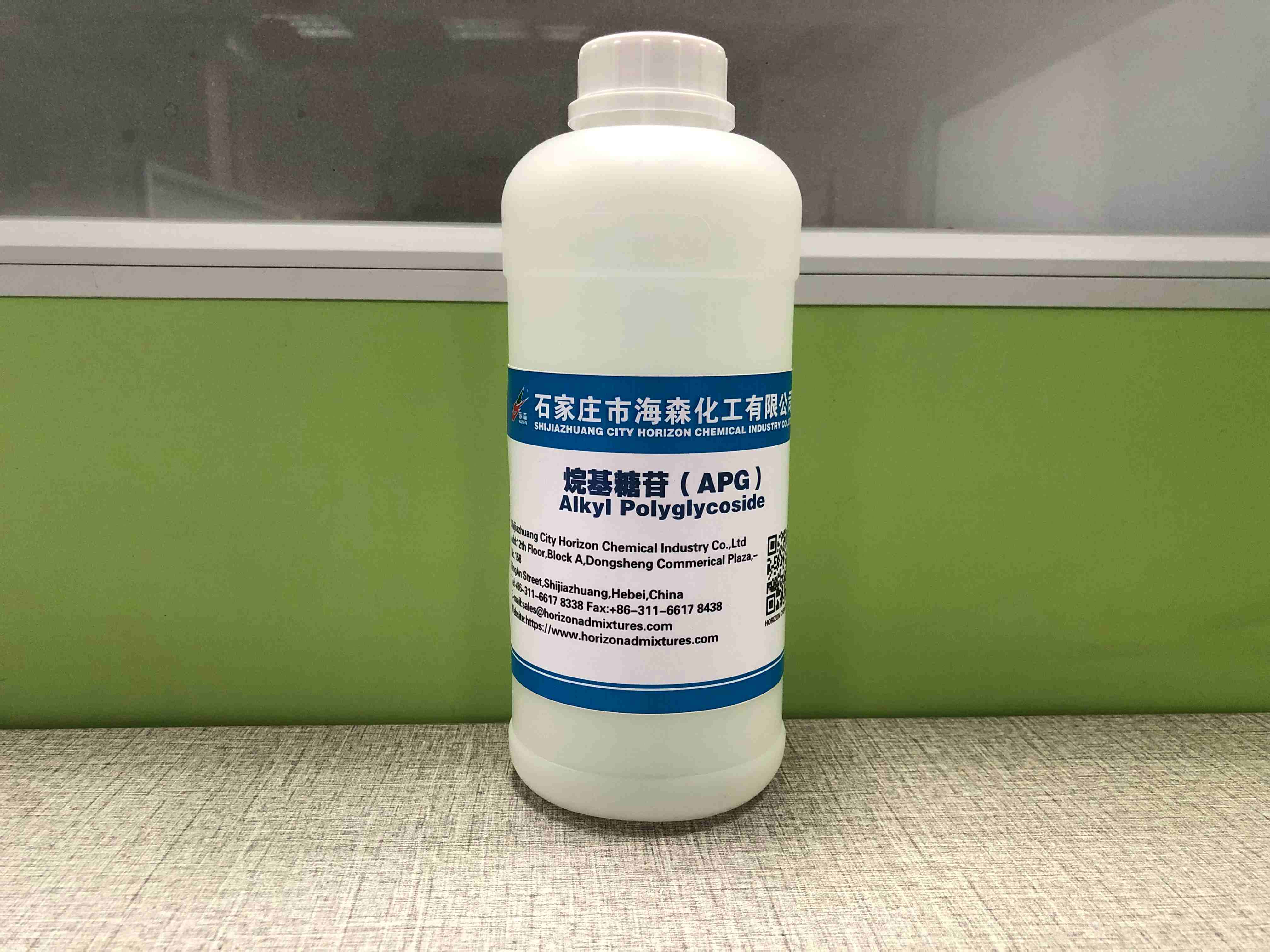
Alkyl Polyglucosides, or APGs, are a class of surfactants derived from renewable sources like corn and coconut. Unlike many conventional cleansers that rely on harsh sulfates, APGs clean by forming a mild, micro-foaming action that lifts dirt and oil without disrupting the skin’s natural moisture barrier. This means your face wash or shampoo can be effective yet remain kind to delicate tissues—no tightness, no itchiness, just a comfortable, clean feel that you can count on day after day.
What truly sets APGs apart is their compatibility with the skin’s own pH. Traditional cleansing agents often leave behind an alkaline residue that can trigger irritation and dryness, especially for those with sensitive or compromised skin. In contrast, APG-based formulas maintain a near-neutral pH, helping to preserve the acid mantle—the invisible shield that keeps bacteria out and moisture in. This gentle approach ensures that even with frequent washing, your skin and scalp stay calm, balanced, and far less prone to redness or inflammation.
For hair, the benefits are equally noticeable. Because APGs don’t strip away the natural oils that coat each strand, they can help reduce frizz and breakage over time. The result is hair that feels softer, looks shinier, and manages tangles effortlessly—without the heavy buildup that silicones or conditioning agents can leave behind. Whether you have color-treated locks, a sensitive scalp, or just want a milder daily routine, APG-infused cleansers offer a thoughtful alternative that respects both your skin and your hair.
From Corn to Clean: The Plant-Based Origin Story
It all starts in the sprawling fields where corn reaches for the sun. Far from the petroleum refineries that defined the past century of cleaning products, this quiet agricultural beginning is reshaping how we think about the stuff we use every day. The journey from kernel to clean isn’t just a technical process—it’s a return to sourcing ingredients that are renewable, familiar, and grounded in the earth. Corn, with its abundant starch, becomes the foundational building block for a range of surfactants and solvents that power through grease and grime without tapping into finite resources.
The transformation itself is a blend of nature and chemistry—enzymes break down the starch into sugars, fermentation turns those sugars into building-block molecules, and careful refinement yields ingredients that are mild yet effective. What’s striking is how this modern alchemy mirrors a deeper shift, away from harsh synthetics toward materials that degrade gracefully after use. Behind every spray bottle or laundry pod that traces its lineage to a cornfield is a quiet recalibration of our relationship with dirt: not as something to be obliterated with brute chemical force, but as part of a cycle where cleaning becomes gentler on skin, surfaces, and waterways.
In a world awash with synthetic options, the plant-based path offers something more than just functional cleaning—it tells a story of renewal. That story resonates because corn isn’t exotic; it’s a crop that has nourished civilizations for millennia, now repurposed for a cleaner home. The result is a cleaning experience that feels less like an industrial intervention and more like a thoughtful choice, rooted in both science and soil.
Versatility Unleashed: APG in Home and Personal Care
Alkyl polyglucosides bring a rare blend of performance and mildness that lets formulators push boundaries in both home and personal care. In laundry liquids, APGs lift away stubborn soils without relying on harsh alkalis, while still delivering the foam profile consumers expect. That same gentle touch translates seamlessly to facial cleansers and baby shampoos, where it respects the skin’s natural barrier and avoids the sting-around-the-eyes drama that turns bath time into a struggle.
What sets APGs apart is their chameleon-like compatibility with other surfactant systems. They can step in to stabilize foam in high-electrolyte hard surface cleaners, soften the feel of anionic-heavy hand soaps, and even boost the viscosity of sulfate-free formulations without loading up on extra thickeners. This flexibility means fewer trade-offs in product development—a single ingredient can fine-tune everything from sensory feel to rinse-off speed.
Beyond the lab, the real versatility shows up in everyday moments: a shower gel that stays crystal clear from first use to last drop, a kitchen spray that cuts grease without leaving a sticky residue, or a micellar water that removes waterproof makeup yet feels like water on the skin. That effortless adaptability, combined with a strong eco-profile, keeps APGs at the heart of modern formulations that refuse to compromise.
Environmental Harmony: Biodegradability and Beyond
In a world increasingly choked by persistent waste, true environmental harmony demands more than just breaking down materials after use. Biodegradability is often portrayed as a magic bullet, yet the reality is nuanced—many items labeled as biodegradable still require specific industrial conditions to decompose, and some leave behind microplastics or toxic residues. To genuinely soften our footprint, we must look beyond the label and design products that not only return to the earth gracefully but also nourish ecosystems throughout their lifecycle.
The journey toward harmony doesn't stop at the point of disposal. It starts with sourcing renewable, responsibly harvested raw materials and extends into manufacturing processes that minimize energy use and avoid pollutants. A product that biodegrades fully but was produced through environmentally destructive means undermines the very balance it aims to achieve. The goal is a closed-loop system where every stage—from creation to decomposition—aligns with nature's rhythms, supporting rather than exploiting the planet's resources.
Beyond the technicalities of biodegradation lies a deeper shift in perspective. Environmental harmony invites us to see waste not as an end-product but as a design flaw. It encourages innovation in materials that can safely reintegrate into ecosystems, enriching soil health or marine environments instead of damaging them. This means rethinking our relationship with everyday objects, choosing durability and compostability over convenience, and embracing a mindset where human activity leaves behind not just smaller footprints, but regenerative ones that help heal the planet.
The Future of Green Cleaning: Innovations with APG
Green cleaning is evolving beyond simply swapping harsh chemicals for plant-based alternatives. Alkyl polyglucosides, or APGs, are at the heart of this shift, offering a cleaning performance that rivals synthetics while breaking down readily in the environment. These surfactants, derived from renewable sources like corn and coconut, are pushing the boundaries of what eco-friendly products can achieve— delivering powerful degreasing, low skin irritation, and stability in hard water without leaving toxic residues.
What makes APG truly stand out is its versatility. In household cleaners, it lifts dirt and grime without the need for aggressive solvents, making it ideal for everything from kitchen sprays to laundry liquids. But the innovation doesn't stop at the bottle. Manufacturers are now blending APG with probiotics and enzymes to create self-sustaining cleaning systems that continue working long after application, breaking down organic matter at a microscopic level. This synergy represents a leap forward in both efficacy and sustainability.
Looking ahead, the role of APG will only expand as industries aim for circular design. Research into ultra-mild formulations is opening doors for personal care and baby products, while new extraction methods are lowering costs and improving purity. The real breakthrough lies in redefining cleaning itself: from a chemical chore to a gentle, continuous process that works with nature.
FAQ
Alkyl polyglycoside, or APG, is a class of non-ionic surfactants synthesized from renewable raw materials—typically glucose derived from corn or potatoes and fatty alcohols obtained from coconut or palm kernel oil. This plant-based origin gives it a unique combination of high surface activity and excellent skin compatibility.
APGs are exceptionally mild because their molecular structure mimics natural glycolipids found in cell membranes, leading to low irritation potential. Unlike SLS, which can strip the skin's natural oils and disrupt the barrier, APGs cleanse effectively without compromising the skin’s hydration. They also produce a dense, creamy foam that feels soft and non-drying.
You’ll find APGs in everything from facial cleansers, baby washes, and micellar waters to eco-friendly dish soaps and laundry detergents. Their compatibility with other surfactants makes them a go-to for formulators aiming to create milder, sulfate-free, and even preservative-boosting formulas.
High-quality APG is characterized by a narrow distribution of alkyl chain lengths and a consistent degree of polymerization, which ensures reliable foaming and thickening behavior. It also has very low residual fatty alcohol and glucose levels, reducing the chance of odor or color issues in formulations. Transparent sourcing and rigorous purification steps separate premium APG from generic batches.
Absolutely, APGs are excellent synergists. They can boost the mildness of anionic surfactants like sodium laureth sulfate while enhancing foam stability and overall cleaning efficacy. This allows formulators to reduce the overall surfactant load without sacrificing performance, which is key for creating gentle yet effective products.
Yes, APGs are readily biodegradable under both aerobic and anaerobic conditions, meeting OECD standards. Their plant-derived carbon backbone and low aquatic toxicity make them a preferred choice for green chemistry applications. They break down quickly into harmless substances, minimizing environmental impact.
Conclusion
Alkyl polyglycoside (APG) stands at the forefront of green chemistry, offering a gentle yet effective alternative to traditional surfactants. Derived entirely from renewable plant sources like corn starch and coconut oil, it embodies sustainability from the start. Its molecular structure, combining a hydrophilic sugar head with a hydrophobic alkyl chain, produces a surfactant that cleans thoroughly without stripping away natural oils. This delicate balance makes APG exceptionally mild on skin and hair, minimizing irritation even with frequent use. Unlike many synthetic options, it maintains a rich, creamy foam that users love, all while being fully biodegradable, breaking down swiftly into harmless components after use, making it a responsible choice for eco-conscious formulators.
The versatility of APG knows few bounds; it seamlessly integrates into an array of home and personal care products, from facial cleansers and baby shampoos to multi-surface household sprays. Its compatibility with other ingredients enhances formulation flexibility, allowing creators to craft high-performance blends that remain kind to both consumers and the planet. Looking ahead, ongoing innovations leverage APG's unique profile to push cleaning performance further while preserving its hallmark mildness, unlocking new possibilities in concentrated, waterless, and cold-water formulations. As industries pivot toward greener practices, APG emerges not merely as a transitional ingredient but as a cornerstone of future cleaning technology, proving that effectiveness and environmental stewardship can flourish together.
Contact Us
Contact Person: Sam Lee
Email: [email protected]
Tel/WhatsApp: 86-311-6617 8338
Website: https://www.horizonadmixtures.com/