

Fully Automatic Rotary Concrete Reclaimer Solutions That Cut Waste and Boost Profits
2026-08-28
Returned concrete doesn’t have to be a loss. With Sinou's fully automatic rotary reclaimers, your plant can separate leftover mix into reusable aggregate and clean water—slashing disposal costs and boosting your bottom line. If you're still paying to haul away what could be profit, keep reading.
Turn Waste Concrete Into a Revenue Stream Instead of a Disposal Bill
Every torn-up sidewalk or demolished foundation leaves behind piles of concrete that most crews treat as a costly headache. But that rubble doesn't belong in a landfill—it's a usable material that can be crushed, screened, and sold as aggregate for new construction. By setting up a small mobile crusher or partnering with a local recycling yard, you turn a per-ton disposal fee into a per-ton sale price. The math is blunt: paying to haul it away keeps your costs rising, while processing it on-site can cover the equipment rental within the first few jobs.
The shift starts with sorting. Keep concrete free of rebar, soil, and asphalt to get a cleaner end product that brings better prices. Once crushed, the recycled aggregate works for road base, pipe bedding, drainage layers, and even fresh concrete mixes when blended correctly. Many municipalities now require recycled content in public projects, so your processed material has a ready market. Instead of writing off the waste, you're supplying a raw material that builders already need—often at a discount to virgin stone, which moves volume fast.
The last piece is making the process repeatable. Keep a simple record of how many tons you divert, what grades you produce, and what buyers pay. That data helps you quote future demolition jobs more accurately and shows clients that choosing your crew trims their own disposal costs. Over time, what used to be a backhoe bucket of scrap becomes a dependable secondary income line. The disposal bill doesn't just shrink—it flips into a payment coming back to you.
Let the Rotary Drum Do the Heavy Lifting While Your Crew Stays Focused
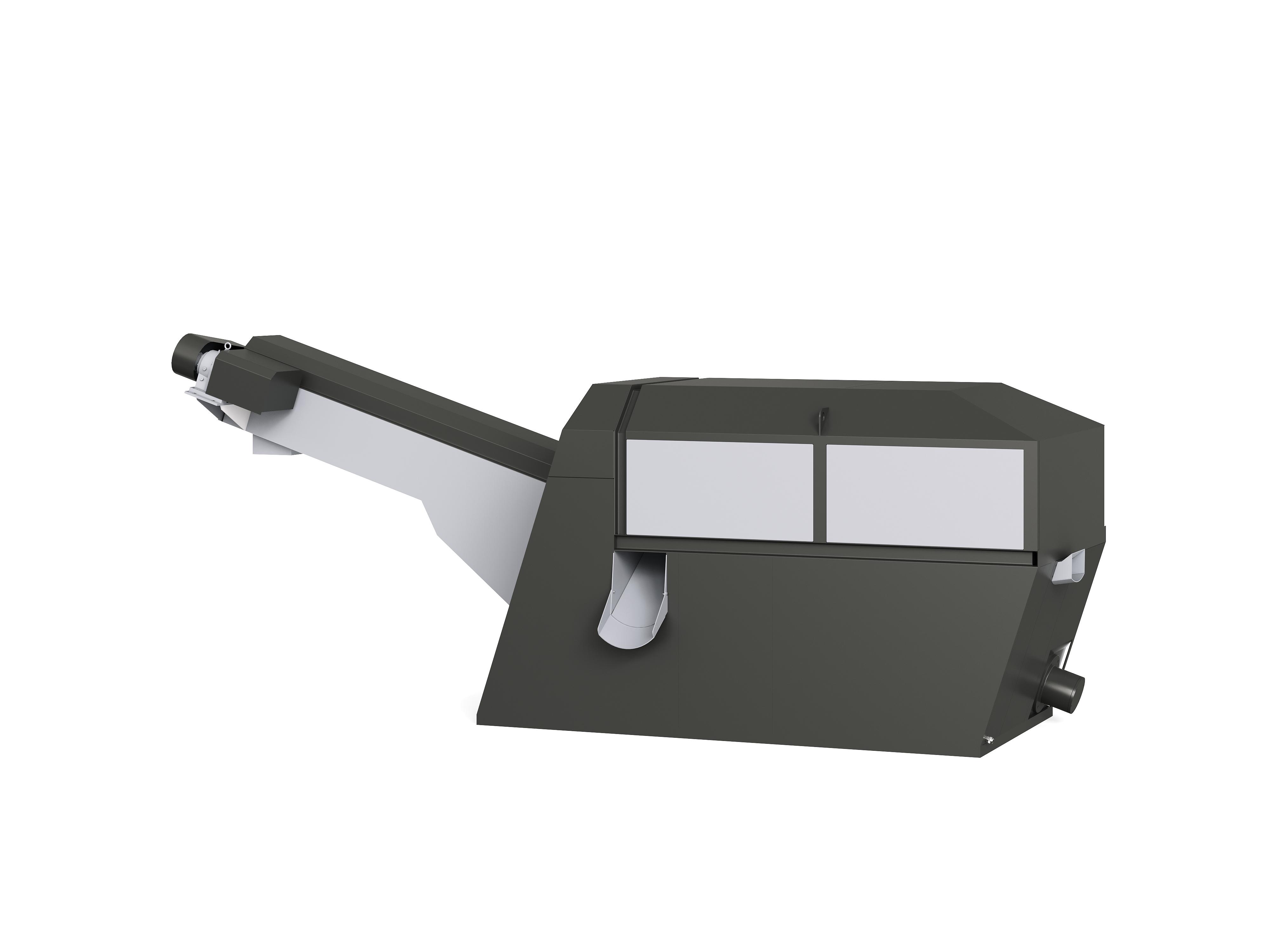
When deadlines tighten and the crew is already stretched thin, the last thing you need is equipment that demands constant supervision. The rotary drum takes on the repetitive, muscle-draining work—breaking up compacted material, blending aggregates, or conditioning soil—so your team can keep their attention on precision tasks like grading, layout, or quality checks. Instead of rotating people through grinding physical labor, you rotate the drum, and the job moves forward without burning out your best hands.
That shift in effort changes how a project feels on the ground. Operators stay mentally sharper because they’re not worn down by vibration, dust, and the strain of manhandling stubborn material. One person can manage the drum’s feed and output while two others handle fine-tuning nearby—no more pulling the whole crew off their roles to wrestle with a clogged hopper or uneven mix. The machine absorbs the abuse, not your people.
And because the drum’s motion is consistent, you get a more uniform result than most manual methods can deliver. That consistency means fewer reworks, fewer touch-ups, and a smoother handoff to the next phase. Your crew stays focused on the parts of the job that require human judgment, while the rotary drum handles the heavy, monotonous lifting that too often eats up the day.
Reclaim Sand, Stone, and Water Without a Complicated Setup
You don't need a pond liner, a pump, or a stack of manuals to bring sand, stone, and water together. A wide ceramic bowl, an old metal tray, or even a shallow glass dish will do. Start with a layer of coarse sand—it settles faster than fine stuff and gives the setup a natural floor. Rinse the sand first if you want the water to stay clear on day one.
Once the sand is in place, drop in a handful of stones. River rocks, slate pieces, or pebbles collected from a walk all work. Place the larger stones first and let the smaller ones fill the gaps. This isn't about perfect symmetry; a slightly off-center arrangement often looks more grounded. Pour water slowly over the back of a spoon or against the side of the container so it doesn't blast the sand into a cloud.
After the first fill, the water may look a little hazy. That settles within a few hours, and you can gently top it off. To keep it fresh, replace about a third of the water every week and wipe the rim with a cloth. Swap stones or smooth the sand with a fingertip whenever you want a new shape. No sensors, no filters, no complicated setup—just three materials doing what they naturally do.
Cut Hauling Costs and Free Up Space on Your Site
Renting a dumpster often feels like paying for air—half the bin gets filled with bulky, awkward waste that doesn't pack tight. Instead, try breaking down large items before they go in. Flatten cardboard, collapse old shelving, and dismantle any furniture you can. A few minutes with a pry bar or screwdriver can reduce volume by a third, meaning fewer hauls and a smaller container size.
Another quiet cost drain is overestimating your waste volume. Many sites order a 30-yard bin when a 20-yard would do, simply because they don't sort as they go. Pile recyclable metals, clean wood, and concrete separately from general trash. Many scrap yards or local recyclers will take those materials for free or even pay you, while your dumpster only handles true mixed waste. The result is less hauling weight, lower tipping fees, and a clearer work zone.
Finally, look at your haul schedule. If your bin gets swapped every week on a fixed route, but you only fill it every ten days, you're burning cash on empty trips. Coordinate with your provider for on-call pickups or a compacting service for high-volume phases. Pair that with stacking and strapping loose debris, and you'll keep both your budget and your site footprint lean.
A Closed-Loop System That Keeps Water Clean and Ready to Reuse
The core idea behind a closed-loop water system is simple in theory but requires careful engineering in practice. Instead of drawing fresh water for every cycle, the system captures used water, passes it through a series of filters and treatment stages, and returns it to the same process. What makes this approach stand out is not just the technology itself, but the way it quietly changes how a facility thinks about waste. Every drop gets a second life without ever leaving the building’s plumbing network.
One of the most overlooked aspects is the monitoring layer. Sensors track turbidity, pH, and microbial load in real time, adjusting chemical dosing or UV exposure only when needed. This prevents the common pitfall of over-treating water “just in case,” which wastes energy and chemicals. Operators can see exactly what is happening at each stage, and the system learns from usage patterns to predict when filters need replacement before pressure drops become noticeable.
The real payoff comes when you stop treating water as a disposable input. A well-designed closed loop cuts intake volumes by eighty percent or more in many industrial settings. It also removes the risk of discharging contaminated water into local drains, because nothing leaves the loop unless it has been cleaned to a standard that matches or exceeds incoming supply. Over time, the system pays for itself through lower utility bills and fewer regulatory headaches—while keeping the same water working day after day.
Built to Run Around the Clock With Only Routine Checkups
The real test of any workhorse isn't how it performs on day one—it's whether it can still hit the same marks after months of nonstop use. This machine was engineered with that truth in mind. Every bearing, seal, and cooling path was chosen to shrug off fatigue, so the only planned downtime you'll ever schedule is a quick visual inspection and fluid swap.
Most equipment needs constant attention once it's pushed into 24/7 duty. Not this one. The design keeps thermal stress low and lubrication sealed away from contamination, which means wear stays predictable. You won't need a specialist on standby or a stack of spare parts in the corner. A routine checkup, performed on your own schedule, is enough to keep it humming through night shifts, weekends, and holiday rushes.
That kind of dependability changes how you plan. Instead of budgeting for unexpected breakdowns or emergency calls, you can focus on output. It's not just about avoiding repairs—it's about trusting that the equipment will be there when the demand spikes, without begging for attention. Run it around the clock. It won't complain.
FAQ
The machine spins the returned concrete mix inside a rotating drum while high-pressure water washes away cement paste and fine particles. Heavier aggregates settle and get discharged separately, leaving behind clean water that can be reused in the next batch.
It removes the need for constant operator attention. Sensors and programmable cycles adjust drum speed, water flow, and discharge timing based on the volume and consistency of the returned mix, so the process continues even during shift changes without an operator standing by.
Most plants see returned concrete recovery rates above 95%. For a mid-size ready-mix operation that handles several truck washouts per day, that can easily translate to dozens of tons of reusable sand and aggregate every month instead of paying to haul it away.
The rotary washing action produces clean, graded sand and coarse aggregate that meets standard specifications for new concrete. Many plants blend a portion of reclaimed aggregate back into regular production without any loss in slump or compressive strength, as long as the material is properly stockpiled.
Besides lowering haul-off and landfill charges, it reduces fresh water consumption because the process water is recycled. It also cuts labour costs by running unattended and extends truck turnaround times since drivers can rinse drums faster without waiting for manual cleaning.
Yes, within reasonable limits. The rotating drum and spray system break up partially hardened concrete more effectively than a static pit or a manual washout station. For fully hardened material, occasional pre-crushing or extended wash cycles may be needed, but normal daily returns are handled without trouble.
Routine upkeep is mostly about greasing bearings, checking nozzle wear, and occasionally replacing rubber seals or wear plates. The automated controls simplify maintenance because the machine logs operating hours and alerts the plant manager before a part reaches the end of its service life.
Many plants recover the initial cost within 12 to 24 months through lower disposal fees, reduced sand and aggregate purchases, and saved water. In areas with strict environmental regulations or high landfill costs, the payback is often even shorter.
Conclusion
Leftover concrete doesn’t have to be a costly headache or a wasted resource. A fully automatic rotary reclaimer changes the equation by taking returned concrete, washout, and leftover mix and separating it into clean sand, stone, and reusable water—all without a complicated setup or constant operator attention. The rotating drum does the heavy lifting, so your crew stays focused on the pour rather than shoveling waste or babysitting equipment. Instead of paying to haul away material, you get a steady supply of reclaimed aggregates and process water that can go straight back into production, turning a disposal bill into a revenue stream that pays for itself over time.
The benefits don’t stop at material recovery. Cutting hauling costs and eliminating waste bins frees up valuable space on your site, while the closed-loop water system keeps wash water clean and ready to reuse—reducing fresh water consumption and simplifying environmental compliance. Built to run around the clock with only routine checkups, the fully automatic rotary reclaimer minimizes downtime and keeps your operation lean. For ready-mix plants and precast yards aiming to cut waste and boost profits, this kind of system is a straightforward, practical upgrade that quietly improves the bottom line every day.
Contact Us
Contact Person: HaiYan
Email: [email protected]
Tel/WhatsApp: +86 18957325588
Website: https://www.senyoubeton.com/