
Flat Roof Solar Mounting Systems: Custom Concrete Solutions from China
2026-02-02
As the world shifts towards renewable energy, flat roofs present a unique opportunity for solar power generation. However, effective solar mounting on these surfaces often requires innovative solutions that combine durability with precision. Enter Energet Solar's custom concrete solar mounting systems from China, designed to transform challenging rooftop spaces into powerful energy assets. These systems not only offer exceptional stability and weather resistance but also provide tailored configurations that maximize efficiency. By blending expert engineering with practical adaptability, our solutions ensure your solar investment performs reliably for years to come. Ready to discover how Energet Solar can elevate your flat roof project? Energet Solar invites you to explore the cutting-edge technology behind our custom designs and the sustainable benefits they deliver.
Custom Concrete Solutions for Flat Roof Solar Installation
When it comes to setting up solar panels on flat roofs, custom concrete solutions offer a robust and versatile option that ensures long-term stability and efficiency. Unlike generic mounting systems, these solutions are engineered to adapt to the unique contours and load-bearing capacities of your roof, making them ideal for challenging environments or buildings with specific architectural features. By using precast concrete blocks or custom-molded bases, installers can create a secure foundation without penetrating the roof membrane, which helps prevent leaks and extends the roof's lifespan. This approach not only enhances safety by anchoring panels firmly against wind uplift but also allows for optimal panel positioning to maximize sunlight exposure throughout the day.
One standout advantage of custom concrete solutions is their ability to provide a tailored fit that standard systems can't match. For instance, on roofs with irregular slopes or limited space, concrete forms can be designed to distribute weight evenly, reducing stress points and ensuring compliance with local building codes. These solutions often incorporate eco-friendly materials, such as recycled aggregates, aligning with the sustainable goals of solar energy projects. Plus, they offer flexibility in design—whether you need a low-profile setup for aesthetic reasons or a reinforced structure for heavy-duty panels, custom concrete can be adjusted to meet these demands, offering a seamless integration that blends functionality with durability.
In practice, implementing custom concrete solutions involves a collaborative process with experienced engineers and installers who assess site-specific factors like wind patterns, snow loads, and roof accessibility. This hands-on approach leads to innovative designs, such as interlocking concrete modules that simplify installation and maintenance, or ballasted systems that rely on weight rather than drilling. By focusing on precision and adaptability, these solutions minimize long-term maintenance costs and enhance energy output, making them a smart investment for commercial and residential properties alike. Ultimately, they represent a forward-thinking strategy that combines practical engineering with environmental stewardship, ensuring your solar installation stands the test of time while boosting overall performance.
Advantages of Using Chinese Concrete Mounting Systems
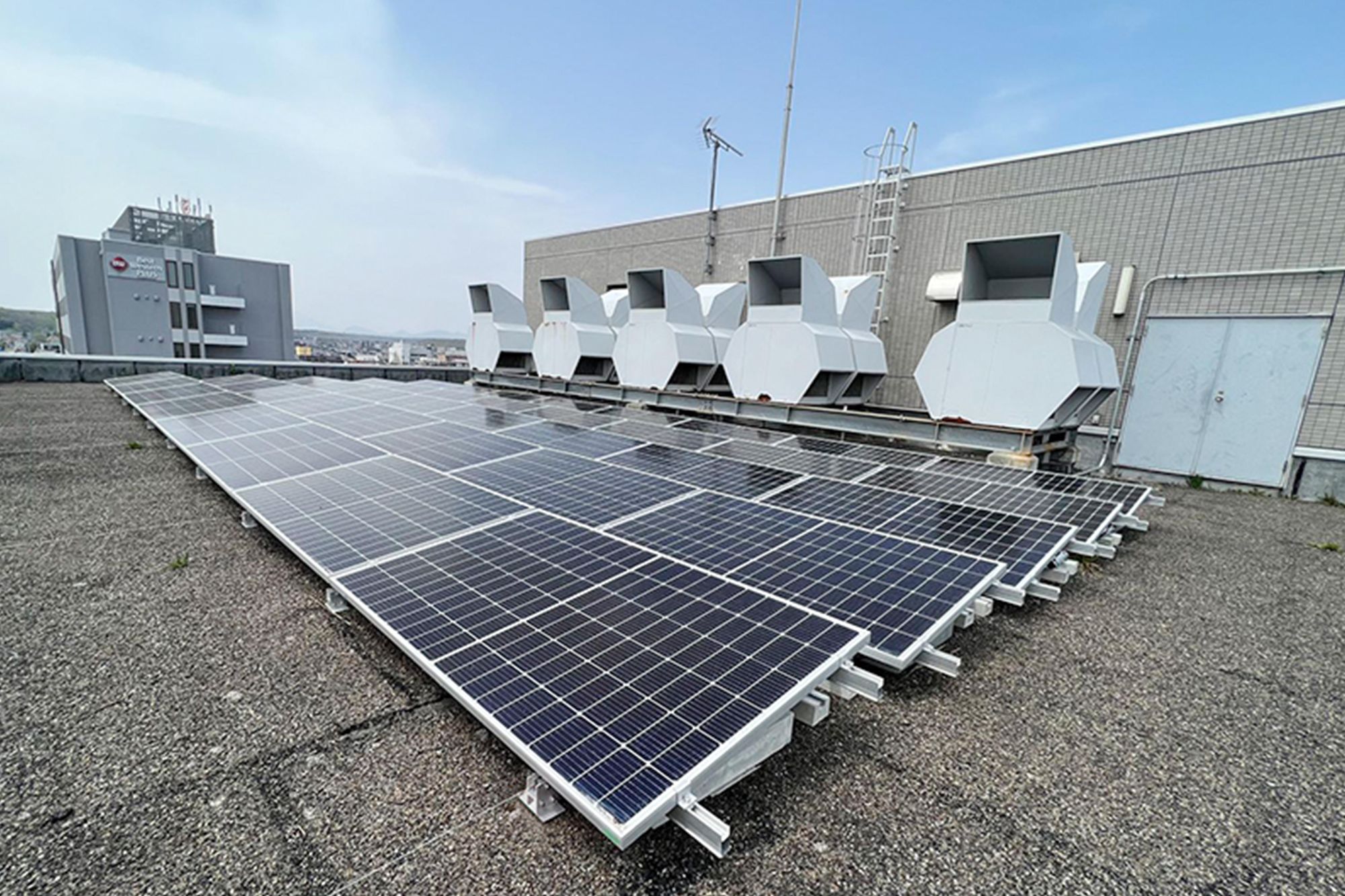
When installing structures that demand robust support, Chinese concrete mounting systems offer a distinct edge due to their emphasis on precision engineering. Unlike generic systems that might rely on one-size-fits-all solutions, these are often tailored to withstand seismic activity and harsh environmental conditions common in diverse regions. This adaptability ensures long-term stability, reducing maintenance headaches and unexpected failures over time, which is a game-changer for projects where reliability is non-negotiable.
Cost-effectiveness is another standout feature, as Chinese manufacturers leverage advanced production techniques to deliver high-quality components at competitive prices. This doesn't mean cutting corners—instead, it's about smart design that minimizes material waste while maximizing strength, making it an attractive option for budget-conscious builders without sacrificing durability. The result is a system that performs reliably under load, offering peace of mind that the investment pays off in reduced repair costs down the line.
Beyond just technical specs, these systems often incorporate innovative features like modular designs that simplify installation, saving time and labor on-site. This user-friendly approach means that contractors can achieve faster project completion without compromising on safety standards, giving them a practical advantage in fast-paced construction environments where efficiency translates directly to profitability.
Design Flexibility in Flat Roof Solar Configurations
Flat roofs provide a versatile canvas for solar installations, allowing for creative and efficient configurations that maximize energy output. Unlike sloped roofs, which often dictate a fixed angle and orientation, flat surfaces open up possibilities for adjustable tilt angles and optimal positioning towards the sun. This adaptability means systems can be fine-tuned to capture more sunlight throughout the day and across seasons, boosting overall performance without relying on complex engineering or costly structural modifications.
Another key advantage lies in the ease of layout customization, where panels can be arranged to avoid shading from nearby equipment like HVAC units or vents. Installers can strategically space arrays to ensure minimal interference, enhancing efficiency and simplifying maintenance access. This flexibility also supports scalability, enabling homeowners or businesses to start with a smaller setup and expand gradually as needs evolve, all while maintaining a sleek, integrated appearance that blends seamlessly with the roof's architecture.
Beyond practicality, this design freedom fosters innovation in solar solutions, such as integrating ballasted systems that require no roof penetrations, reducing installation time and potential leaks. It encourages the use of advanced materials and mounting options, from lightweight frames to solar tracking technologies, tailored to specific environmental conditions. Ultimately, flat roof solar configurations empower users to achieve a balance of aesthetics, functionality, and cost-effectiveness, making renewable energy more accessible and adaptable to diverse urban and commercial settings.
Durability and Weather Resistance of Concrete Bases
Concrete bases are renowned for their exceptional durability, which stems from their robust composition and ability to withstand significant loads over extended periods. Unlike some materials that degrade quickly under stress, concrete maintains its structural integrity through a combination of cement, aggregates, and water, forming a solid matrix that resists cracking and deformation. This inherent strength makes it a preferred choice for foundations, pavements, and other critical infrastructure, ensuring long-term stability with minimal maintenance required. Over time, concrete can even harden further through a process called curing, enhancing its resilience against wear and tear.
Weather resistance is another key attribute of concrete bases, allowing them to endure harsh environmental conditions without significant deterioration. Concrete is naturally resistant to moisture, which helps prevent issues like rot and mold that plague other materials. In areas prone to freeze-thaw cycles, specialized mixes or additives can be used to reduce the risk of cracking due to water expansion. Additionally, concrete's thermal properties help it handle temperature fluctuations, maintaining performance in both scorching heat and freezing cold, making it a versatile solution for diverse climates worldwide.
To further enhance durability and weather resistance, modern concrete bases often incorporate advanced technologies and materials. For instance, fiber-reinforced concrete adds tiny fibers that distribute stress more evenly, reducing the likelihood of cracks under pressure. Sealants and coatings can also be applied to create a protective barrier against water infiltration and chemical exposure. By tailoring the mix design and construction techniques, engineers can optimize concrete bases for specific environments, ensuring they remain reliable and functional for decades, even in the face of extreme weather events and heavy usage.
Cost-Effective Installation with Precast Components
Prefabricated concrete elements offer a smart way to cut down on project expenses and timeline pressures. By manufacturing components off-site in controlled environments, the quality is consistently high, reducing the need for costly rework or delays on the construction site. This approach not only slashes labor costs but also minimizes waste, making it a budget-friendly choice for developers looking to optimize their investments without compromising on durability.
Installation with precast components streamlines the building process significantly. Since these pieces arrive ready to assemble, construction crews can focus on rapid placement and connection, avoiding the long wait times associated with traditional curing methods. This efficiency translates to fewer on-site workers and shorter project durations, which in turn lowers overall installation costs and allows projects to meet tight deadlines more reliably than conventional methods.
Another key advantage is the customization potential that precast systems provide, which can lead to further cost savings. Architects and engineers can design components tailored to specific project needs, reducing material excess and simplifying logistics. This flexibility enables builders to adapt quickly to changes or unique site conditions, ensuring that installations remain cost-effective even when faced with unexpected challenges, all while maintaining a high standard of structural integrity.
Case Studies: Successful Flat Roof Projects in Various Climates
When most people envision flat roofs, they picture minimalist modern homes in sunny California, yet some of the most resilient designs have actually thrived in the harsher climates of the Canadian Prairies or Scandinavian winters. Take, for instance, a commercial complex in Oslo, Norway, where architects opted for a fully adhered EPDM membrane paired with a green roof system. This combination not only withstands heavy snowfall and freezing temperatures but also provides year-round insulation, reducing heating costs by an impressive 25% during those long, cold months. The project's success hinges on meticulous detailing around drains and edges to prevent ice dams, proving that flat roofs can excel far beyond temperate zones when engineered with local conditions in mind.
In stark contrast, a residential development in Dubai showcases how flat roofs can be optimized for extreme heat and sandstorms. Here, the team used a reflective white TPO membrane alongside a solar panel array, which serves a dual purpose: it deflects intense sunlight to keep indoor temperatures manageable while generating renewable energy. What sets this project apart is the inclusion of a slightly sloped design (barely noticeable to the eye) that directs rare rainwater efficiently and prevents debris accumulation during dust storms. This approach has led to a 40% reduction in cooling expenses, demonstrating that innovation on flat roofs isn't just about durability but also smart energy integration in arid environments.
Meanwhile, in the humid subtropical climate of Florida, a community center project highlights adaptability to heavy rainfall and hurricane risks. The roof features a PVC membrane with reinforced seams and a comprehensive drainage system that can handle torrential downpours without pooling. A standout element is the use of elevated walkways and rooftop gardens that double as stormwater management tools, absorbing excess water and reducing runoff. This case study underscores how flat roofs, often criticized for drainage issues, can become assets in wet climates by incorporating multifunctional designs that address both weather challenges and community needs, all while maintaining a sleek aesthetic appeal.
FAQ
Custom concrete solutions provide exceptional stability and durability, adapting well to various roof structures without compromising integrity, while offering long-term weather resistance and load-bearing capacity.
They incorporate reinforced designs and adjustable ballasting with concrete blocks, allowing for tailored configurations to meet specific regional wind and seismic standards, reducing risk of displacement.
Yes, they are designed for non-penetrative installation, using ballast or lightweight concrete elements that sit on the roof surface, minimizing damage and simplifying retrofitting on existing structures.
Manufacturers offer modular concrete bases and adjustable frames that can be configured to accommodate various panel dimensions and array patterns, ensuring optimal placement and energy output.
While initial costs might be higher, custom concrete solutions often have lower maintenance needs and longer lifespans, leading to better ROI due to reduced replacement and repair expenses.
Producers focus on using recycled materials in concrete mixes and designing for minimal waste, with systems that enhance solar efficiency and support green building certifications.
Yes, a professional structural assessment is recommended to verify roof load capacity, as concrete solutions add weight; systems can be lightweight or reinforced based on engineering requirements.
Conclusion
Flat roof solar mounting systems from China are revolutionizing the industry with custom concrete solutions tailored for diverse installations. These systems offer significant design flexibility, adapting seamlessly to various flat roof configurations while emphasizing durability and weather resistance through robust concrete bases. Precast components streamline the installation process, making it cost-effective and efficient, as highlighted in numerous successful case studies across different climates. By integrating these elements, Chinese manufacturers provide reliable, long-lasting options that enhance solar project viability.
The advantages of using Chinese concrete mounting systems extend beyond initial savings, offering long-term benefits such as reduced maintenance and enhanced stability. Custom solutions ensure compatibility with specific project needs, from urban rooftops to industrial settings, while maintaining high standards of quality and performance. This approach not only supports sustainable energy goals but also demonstrates China's leadership in innovative solar technology. Overall, these systems represent a smart investment for maximizing solar energy output on flat roofs worldwide.
Contact Us
Contact Person: Simon
Email: [email protected]
Tel/WhatsApp: 8613672181100
Website: https://energetsolar.com/