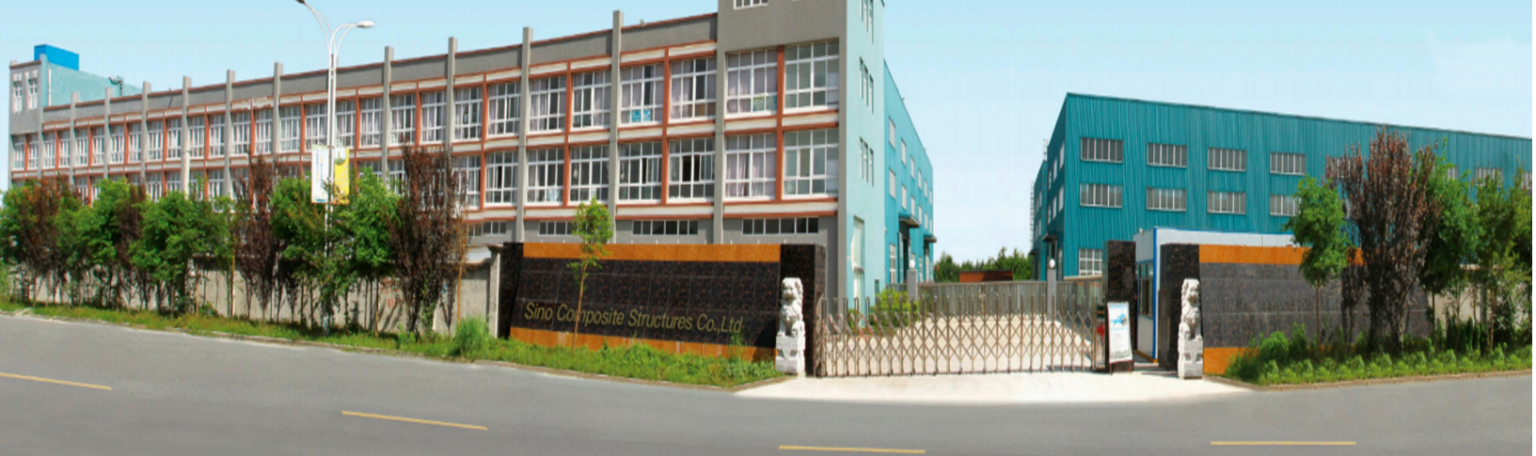

Enhancing Safety with Top FRP Handrail Solutions: A Comprehensive Guide
2026-03-11
When it comes to ensuring safety in industrial, commercial, and public spaces, the choice of handrail solutions is not just a matter of compliance—it's a critical investment in protection. Fiberglass Reinforced Plastic (FRP) handrails are increasingly recognized for their durability, corrosion resistance, and low maintenance, offering a robust alternative to traditional materials. However, with numerous options available, how do you navigate the complexities to find the best fit for your needs? In this comprehensive guide, we delve into top FRP handrail solutions, providing insights that go beyond basic specifications. Whether you're an architect, engineer, or facility manager, you'll discover practical tips for enhancing safety without compromising on aesthetics or budget. As a leader in this field, Sino Grating brings years of expertise to the table, ensuring you have access to reliable, innovative products backed by real-world applications. Get ready to explore how the right handrail can transform safety standards—let's begin this journey to safer environments together.
Unlocking the Benefits of FRP Handrails for Enhanced Workplace Safety
In modern industrial settings, ensuring worker safety is paramount, and FRP (Fiber-Reinforced Polymer) handrails have emerged as a game-changer for enhancing workplace protection. Unlike traditional materials like steel or wood, FRP offers unique advantages that directly address common safety concerns. Its non-conductive properties make it ideal for environments with electrical hazards, reducing the risk of shocks and fires, while its corrosion resistance ensures durability in harsh conditions like chemical plants or coastal areas, preventing structural failures over time.
Beyond mere durability, FRP handrails contribute to a safer work culture by promoting visibility and ease of maintenance. Their bright, non-slip surfaces improve traction, minimizing slips and falls even in wet or oily conditions, which are frequent causes of workplace injuries. Additionally, the lightweight nature of FRP simplifies installation and reduces strain on support structures, allowing for quicker setup and fewer delays in safety upgrades—a practical benefit that enhances overall operational efficiency while keeping employees secure.
To truly unlock the benefits, it's essential to consider the long-term impact of FRP handrails on workplace morale and compliance. These handrails require minimal upkeep compared to metals that rust or woods that rot, saving on maintenance costs and ensuring consistent safety standards are met. By investing in FRP, companies not only adhere to strict safety regulations but also demonstrate a commitment to employee well-being, fostering a positive environment where safety is seamlessly integrated into daily operations without compromising on performance or aesthetics.
Key Considerations When Selecting Top-Performing FRP Handrail Solutions
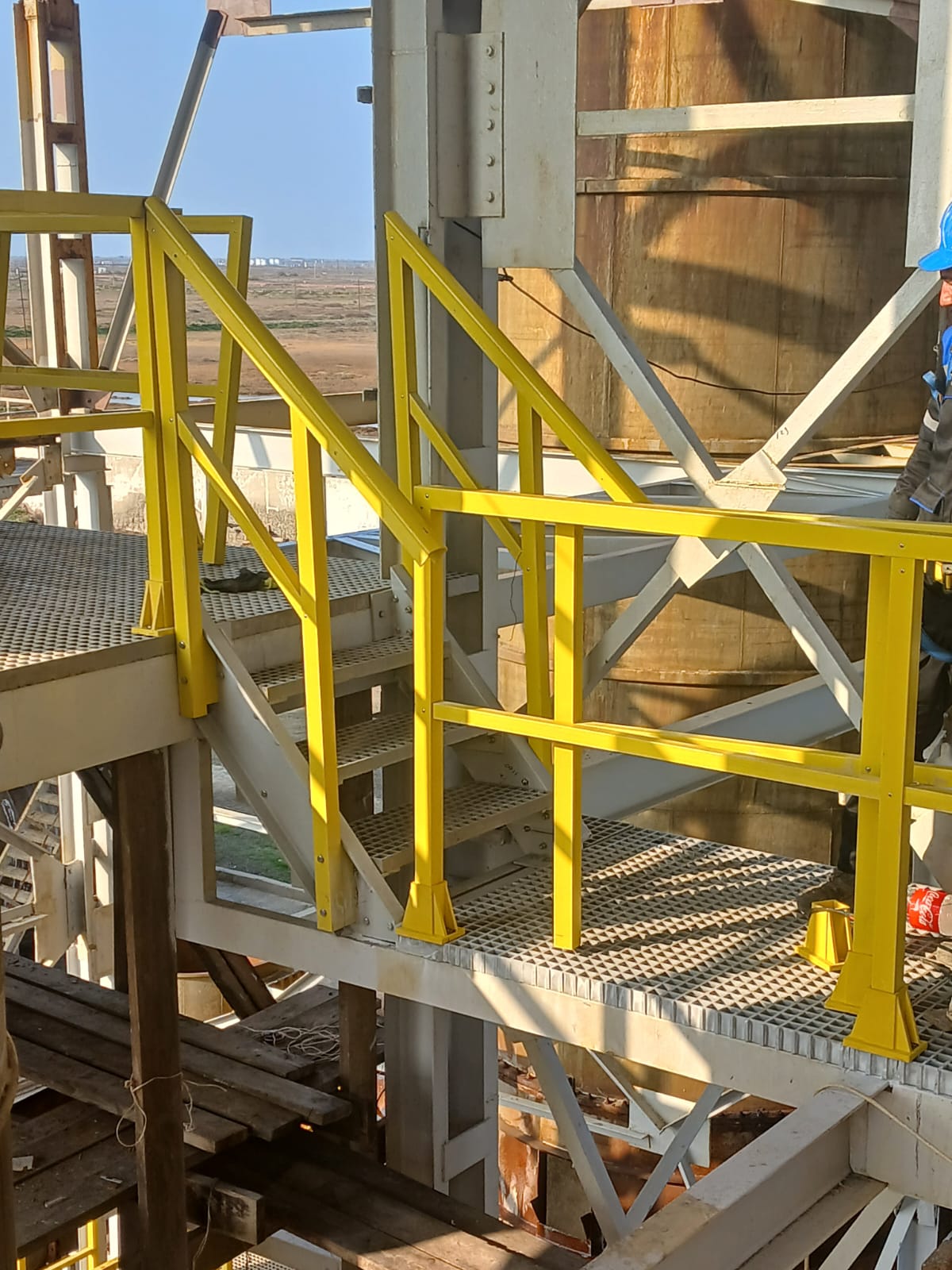
When choosing FRP handrail systems, prioritize durability by assessing materials that resist corrosion, UV exposure, and impact. Look for solutions with high tensile strength and compliance with safety standards like ASTM or EN, ensuring long-term performance in harsh environments.
Consider customization options, such as color, texture, and design flexibility, to match aesthetic needs without compromising on safety. FRP handrails can be tailored for various applications, from industrial settings to public spaces, enhancing both functionality and visual appeal.
Evaluate installation and maintenance ease, focusing on lightweight properties that reduce labor costs and modular designs for quick assembly. Opt for low-maintenance solutions that resist moisture and chemicals, minimizing upkeep while maximizing reliability over time.
Installation Best Practices for Durable and Secure FRP Handrail Systems
When installing FRP handrail systems, it's crucial to start with a thorough site assessment to ensure the foundation is stable and free from potential hazards that could compromise integrity over time. This involves checking surface conditions and verifying that anchor points are structurally sound, as even minor imperfections in the base can lead to wobbling or failure under stress. Proper alignment during the initial setup prevents future issues, and using high-quality fasteners designed for FRP materials enhances both durability and safety, reducing the risk of loosening due to environmental factors like temperature changes or vibration.
For a secure installation, pay close attention to joint connections and support intervals, spacing supports according to manufacturer specifications to handle expected loads without sagging. Applying sealants or adhesives specifically formulated for FRP can prevent moisture ingress and corrosion, which is especially important in humid or coastal environments where decay might accelerate. Testing the handrail after installation with a firm push or shake ensures it meets safety standards, and documenting the process helps maintain consistency for future inspections or repairs, keeping the system reliable long-term.
Beyond basic installation, consider factors like user interaction and maintenance access; for instance, designing handrails with smooth edges and adequate height reduces accident risks and ensures compliance with local codes. Regular checks post-installation, such as inspecting for cracks or wear points, allow for timely interventions that extend the system's lifespan. By integrating these best practices, FRP handrail systems not only provide robust support but also contribute to a safer environment, blending functionality with long-term resilience in diverse settings.
Maintenance Tips to Prolong the Life and Safety of FRP Handrails
Keeping your FRP handrails in top shape doesn't have to be a chore. Start with regular visual checks—look for any cracks, chips, or discoloration, especially in high-traffic areas like stairwells or outdoor walkways. A simple wipe-down with mild soap and water every few weeks can prevent dirt buildup that might hide early signs of wear.
For deeper maintenance, consider the environment: if your handrails are exposed to sun or salt air, an occasional application of a UV-resistant sealant can help fend off fading and brittleness. Don't forget to tighten any loose bolts or fittings promptly; a wobbly rail is more than just an annoyance—it poses a real safety risk that's easy to fix before it escalates.
What really sets long-lasting FRP handrails apart is proactive care. Instead of waiting for obvious damage, schedule semi-annual inspections to catch subtle issues early. Keep a log of maintenance tasks, noting any repairs or treatments applied. This not only extends the rail's lifespan but also ensures it stays compliant with safety standards, giving you peace of mind that your investment is protected.
Addressing Common Safety Challenges with Custom FRP Handrail Designs
When integrating custom FRP handrail systems into industrial or public spaces, one primary concern is ensuring they meet rigorous safety standards while accommodating unique architectural needs. Unlike standard metal rails, FRP (Fiber-Reinforced Polymer) offers inherent corrosion resistance and electrical insulation, making it ideal for harsh environments like chemical plants or waterfront areas. A common challenge is balancing durability with flexibility; custom designs often incorporate features like non-slip textures, optimal height adjustments, and reinforced joints to prevent accidents like falls or structural failures. By tailoring these elements, designers can overcome typical pitfalls such as poor visibility or inadequate load-bearing capacity, enhancing overall user safety.
Another frequent issue involves compliance with local building codes and accessibility guidelines, which vary widely across regions. Custom FRP handrails allow for precise customization to adhere to specific regulations, such as the Americans with Disabilities Act (ADA) in the U.S. or similar standards globally. This includes considerations for handrail diameter, gripability, and installation angles to support individuals with mobility challenges. Through collaborative planning with engineers and safety experts, these bespoke solutions address gaps that off-the-shelf products might miss, ensuring a seamless fit without compromising on protective measures.
In high-traffic or specialized settings, like offshore platforms or food processing facilities, safety challenges extend to maintenance and longevity. Custom FRP designs can be engineered with UV-resistant coatings and fire-retardant properties to withstand extreme conditions, reducing the risk of degradation over time. By proactively addressing these factors, stakeholders not only mitigate hazards but also reduce long-term costs associated with repairs or replacements. This holistic approach elevates FRP handrails beyond mere compliance, transforming them into integral safety assets that foster confidence and operational efficiency in diverse applications.
Future Trends and Innovations in FRP Handrail Technology for Safer Environments
A key innovation on the horizon is the development of integrated smart FRP handrail systems. These could incorporate subtle sensors to monitor structural integrity in real-time, alerting facility managers to potential weaknesses or impacts long before visible damage occurs. Imagine handrails that can detect excessive vibration or changes in load, offering a proactive approach to maintenance that prevents accidents rather than merely responding to them. This shift from passive support to active monitoring represents a fundamental change in how safety infrastructure is conceived.
Material science is also pushing boundaries, with research focusing on FRP composites that are not only stronger and lighter but also more environmentally responsive. Future handrails might feature surfaces with enhanced tactile properties for better grip in all weather conditions, or even embedded temperature-regulating elements to prevent icy buildup in cold climates. We're seeing experiments with self-cleaning coatings and anti-microbial additives, particularly for high-traffic areas like hospitals and public transport hubs, where hygiene is as crucial as physical support.
Beyond the product itself, installation and design trends are evolving towards greater customization and sustainability. Modular FRP systems that can be easily reconfigured for different spaces—like adapting a handrail layout for temporary events or changing accessibility needs—are gaining traction. Concurrently, manufacturers are exploring the use of recycled FRP materials and more energy-efficient production processes, aligning safety improvements with broader environmental goals. This holistic view ensures that safer environments don't come at the cost of ecological responsibility.
FAQ
Top FRP (Fiber Reinforced Polymer) handrails stand out due to their exceptional durability against corrosion and UV exposure, lightweight nature for easier installation, and low maintenance needs compared to metals like steel or aluminum.
These handrails provide superior slip resistance in wet or oily conditions, withstand chemical spills without degrading, and offer high strength for reliable fall protection, reducing accident risks in demanding settings.
Yes, top solutions allow extensive customization in colors, shapes, and sizes, with options for integrated lighting or signage, ensuring they blend functionally and aesthetically with diverse projects.
Key considerations include UV stability to prevent fading, weather resistance for temperature extremes, and compliance with local safety codes to ensure long-term performance and regulatory adherence.
By resisting rust, corrosion, and wear, FRP handrails minimize replacement and repair costs, require less cleaning, and often come with extended warranties, lowering total ownership expenses.
Proper installation involves using corrosion-resistant fasteners, following manufacturer spacing guidelines for posts, and securing bases firmly to structures, with professional assessment for load-bearing needs.
Yes, they are often made from recyclable materials, have low embodied energy in production, and reduce waste due to longevity, aligning with sustainable building practices and green certifications.
High-quality FRP maintains structural integrity from freezing cold to intense heat, resists moisture and salt corrosion in coastal areas, and doesn't expand or contract significantly, ensuring consistent safety.
Conclusion
FRP handrails are a game-changer for workplace safety, offering a blend of durability, corrosion resistance, and low maintenance that traditional materials struggle to match. By unlocking benefits like enhanced slip resistance and customizable designs, they directly address common safety challenges in industrial and public settings. When selecting top-performing solutions, key considerations include load-bearing capacity, environmental compatibility, and compliance with safety standards, ensuring that installations not only meet but exceed regulatory requirements. This comprehensive approach transforms handrails from mere fixtures into integral safety components that proactively mitigate risks and boost overall operational confidence.
To maximize these advantages, proper installation and ongoing maintenance are crucial. Following best practices during setup, such as secure anchoring and precise alignment, guarantees durable and reliable systems that withstand daily wear. Regular maintenance tips, like inspecting for cracks and cleaning surfaces, help prolong the handrails' lifespan and safety performance. Looking ahead, future trends in FRP technology promise further innovations, such as smart sensors for real-time monitoring or eco-friendly composites, paving the way for even safer environments. By integrating these elements, organizations can create robust safety frameworks that evolve with emerging needs and technologies.
Contact Us
Contact Person: Nicholas Zhu
Email: [email protected]
Tel/WhatsApp: 18921275456
Website: https://www.sino-grate.com