

Energy-Saving Air Compressor: How to Choose the Right One
2026-07-21
Compressed air systems are the workhorses of many industries, but they can also be silent energy vampires, quietly inflating operational costs. Choosing an energy-saving air compressor isn't just about going green—it's a strategic move to slash electricity bills and boost long-term profitability. With countless options on the market, how do you cut through the noise and select the right one? At Seize Air, we understand that the perfect match combines efficiency, reliability, and smart design. In this guide, we’ll break down the key factors to consider, so you can make an informed decision and stop wasting energy—and money.
Why Most 'Energy-Efficient' Air Compressors Don't Deliver as Promised
The label 'energy-efficient' on an air compressor often raises expectations of lower electricity bills and a smaller carbon footprint. Yet, in countless factories and workshops, those anticipated savings never materialize. The disconnect usually isn't a flaw in the compressor itself, but a mismatch between how efficiency is measured and how the machine actually operates day in and day out. Manufacturers test under ideal lab conditions—steady pressure, constant flow, and perfect temperatures—that bear little resemblance to the messy, fluctuating reality of most production environments.
Real-world operation is filled with variables: leaky piping, inconsistent demand, frequent cycling, and ambient temperatures that swing from freezing to sweltering. A compressor optimized for a single sweet spot can become a power hog whenever conditions stray. Moreover, many systems are oversized from the start, running at part load where their efficiency plummets, or they’re forced into stop‑start patterns that waste energy with every restart. Without addressing these system-level issues, even the most advanced variable-speed drive compressor will fail to deliver on its promise, leaving operators wondering why the numbers don’t add up.
The shift to genuine energy savings starts with looking beyond the badge. It means treating the entire compressed air ecosystem—from inlet filters to end-use tools—as a single, dynamic entity. Regular audits, proper storage, and controls that adapt to real demand can unlock efficiencies that no stand‑alone machine ever could. Only then does the 'energy-efficient' label stop being a marketing term and start reflecting a tangible, month-after-month drop in energy costs.
The Hidden Costs That Make Your Air Compressor an Energy Hog
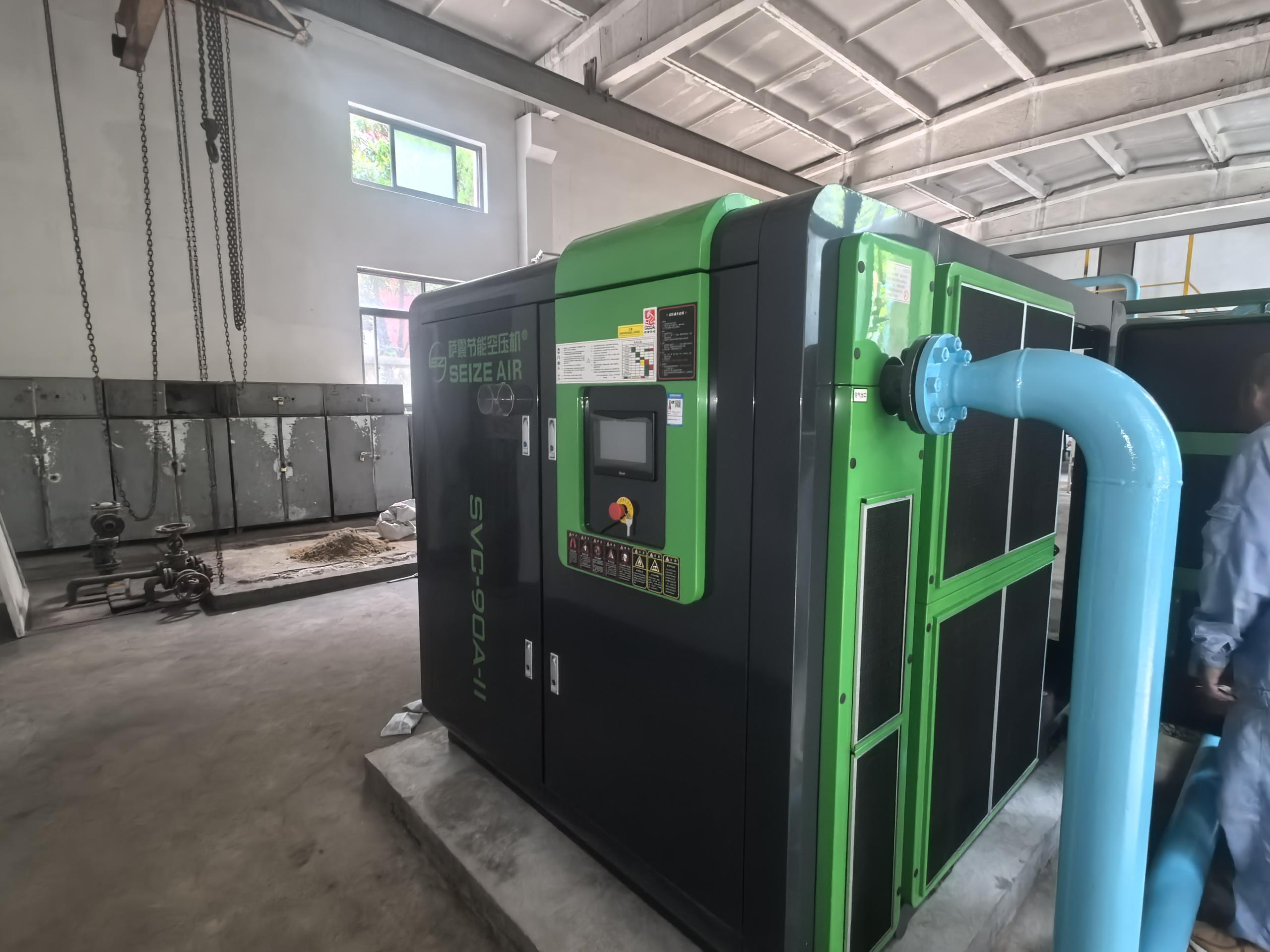
Air leaks are the silent budget drainers in any compressed air system. A tiny hole you can barely hear can waste thousands of dollars in energy annually, yet these leaks often go unnoticed because they don't stop production. The compressor works harder to maintain pressure, cycling more frequently and driving up your electricity bill without a corresponding increase in useful output. Regular leak detection and repair should be a priority, not an afterthought.
Operating at unnecessarily high pressure is another common trap. For every 2 psi increase in system pressure, energy consumption rises by about 1%. Many facilities run their compressors at elevated pressures to compensate for pressure drops or occasional high-demand tools, but this habit bleeds energy continuously. Fixing the root causes—undersized piping, clogged filters, or poorly designed distribution—lets you lower the pressure setpoint and realize significant savings.
Poor maintenance schedules and ignored intake conditions slowly erode efficiency. Dirty filters restrict airflow, forcing the motor to draw more power. Worn oil, fouled heat exchangers, and neglected condensate drains all add friction and reduce heat transfer, which translates directly into higher energy consumption. Simple, consistent upkeep can shave 5 to 10 percent off your compressor's energy use, making it one of the least glamorous but most effective cost-cutting measures.
Matching Compressor Size to Your Actual Load—Not Just Peak Demand
Many facilities still select air compressors based solely on the peak demand figure, often leading to oversized units that waste energy and money. Real-world air consumption fluctuates continuously, and peaks that last only minutes don’t justify a compressor that runs inefficiently for the remaining 95% of the time. A better approach is to map out your load profile over a typical shift or production cycle, identifying not just the highs but the duration and frequency of different demand levels. This data lets you right-size the compressor—or combine multiple smaller units—to match the actual operating pattern, avoiding the hidden costs of excess capacity.
Oversized compressors cycle on and off more frequently, causing pressure swings and moisture issues while still drawing substantial power during unloaded running. By contrast, a well-matched compressor runs closer to its full-load sweet spot, where efficiency peaks. Where intermittent high demand exists, consider a variable speed drive unit or a smaller base-load compressor supplemented by a pony compressor for those rare spikes. This strategy not only cuts energy bills but also reduces wear, maintenance, and the carbon footprint—a tangible shift from rule-of-thumb sizing to a smarter, data-driven investment.
Variable Speed vs. Fixed Speed: Which Saves More Over Time?
When comparing variable speed and fixed speed systems, the real question isn't which one moves air or water—it's which one adapts to actual demand without wasting energy. Fixed speed units run at a constant rate, turning on and off to maintain settings. That stop-start cycle burns more power during ramp-up and creates temperature swings that stress components. Variable speed models, on the other hand, ramp up or down incrementally, often running at lower speeds for longer periods. This gentle modulation draws dramatically fewer watts, especially during mild conditions when full output isn't necessary. Over months and years, those reduced watt-hours add up, often cutting consumption by 40% or more compared to a fixed speed counterpart doing the same job.
The savings show up most clearly in the electric bill, but there's more to the picture. Fixed speed units bludgeon their way through partial loads, pushing more energy than needed and then shutting off abruptly. That frequent cycling not only spikes energy use but also accelerates wear on compressors, fans, and electronics. Variable speed systems avoid these stress cycles by matching output to load, maintaining steadier pressures and temperatures. Owners often notice fewer breakdowns and longer service life, which translates to money saved on repairs and early replacement. When you factor in both energy costs and maintenance, the variable speed option typically pays back its higher upfront cost within a few years, then keeps delivering savings for a decade or more.
One overlooked advantage of variable speed equipment is its role in comfort and humidity control. Because these systems run longer at low output, they pull moisture from the air more consistently, keeping indoor humidity in check even when the mercury barely nudges. Fixed speed units short-cycle, leaving damp, clammy air behind. That means you can set your thermostat a degree or two higher in summer yet feel just as cool, further trimming energy use. Combined with soft start technology that eliminates flickering lights and noisy kick-ons, the variable speed approach is simply a smarter way to run any circulation-based system. The savings aren't just in kilowatt-hours—they're in fewer service calls, less wear, and a more stable indoor environment.
Beyond the Purchase Price: Calculating the 10-Year Energy Bill
The price tag on an appliance only tells part of the story. A refrigerator that costs $800 might seem like a steal compared to a $1,200 model, but if the cheaper one runs less efficiently, you could end up paying far more over a decade. Energy consumption is the silent budget drainer—it adds a recurring expense that compounds year after year, often dwarfing that initial savings. When you factor in the cost of electricity, the real question isn’t “How much does it cost today?” but “How much will it cost me over the next ten years?”
To get a clear picture, you need to look at the energy guide label or specifications and do a bit of math. Multiply the annual energy consumption (in kilowatt-hours) by your local electricity rate, then multiply by ten. That number is your ten-year energy bill. You might find that a higher upfront investment in an energy-efficient model slices that long-term cost significantly, sometimes cutting hundreds of dollars from your total expense. It’s the difference between a one-time purchase and a decade-long relationship with your utility company.
This approach doesn’t just apply to refrigerators—it works for any appliance that draws power, from washing machines to air conditioners. Ignoring the ten-year energy bill is like buying a car based solely on the sticker price and forgetting about fuel and maintenance. By shifting your mindset away from the checkout counter and toward the lifetime operating cost, you make smarter financial choices that pay off quietly, month after month, for years to come.
Simple Maintenance Habits That Slash Your Compressor's Power Draw
A compressor that’s working harder than it should is often a compressor that’s been neglected in small but critical ways. The most immediate fix is also the most overlooked: keeping the intake filters clean. When these get clogged with dust and debris, the system has to pull more power just to draw in the same amount of air. A quick visual check and a rinse or replacement every few hundred operating hours can cut energy waste by a surprising margin.
Another quiet power drain comes from air leaks, which force the compressor to cycle more frequently to maintain pressure. A simple walk-around with a spray bottle of soapy water can help you spot even tiny leaks at fittings and connections. Fixing them not only reduces your electricity bill but also prevents excessive wear on the motor and tank. It’s the kind of maintenance that pays for itself in months, if not weeks.
Don’t underestimate the impact of proper belt tension and lubrication. A belt that’s too tight increases friction losses, while one that’s too loose slips and wastes energy. Similarly, the right lubricant and level reduce internal resistance. Together, these small adjustments keep your compressor humming along at peak efficiency, often putting a noticeable dent in your facility’s power demand without any major capital outlay.
FAQ
An energy-efficient air compressor minimizes wasted power through better motor efficiency, reduced heat generation, and smart controls that match output to actual demand. Caring about efficiency means lower electricity bills, a smaller carbon footprint, and often quieter operation—benefits that add up quickly in any workspace.
Start by listing all your air tools and their CFM requirements at a specific PSI. Total the CFM of tools that’ll run simultaneously, then add a 30% buffer. Avoid overbuying a giant unit ‘just in case,’ as huge compressors cycling on and off waste energy. A slightly smaller, well-matched compressor that runs consistently is often more efficient than an oversized one that short-cycles.
For constant, continuous use, a variable-speed rotary screw compressor typically saves way more energy—it adjusts motor speed to air demand. Piston compressors are better for intermittent use, but they’re less efficient if left running continuously. If your workshop runs tools all day, the rotary screw’s higher upfront cost usually pays back through lower power bills.
A variable speed drive (VSD) adjusts the motor’s RPM to exactly match air output to demand, eliminating the energy spikes of constant stop-start cycles. It’s worth it if your air demand fluctuates throughout the day—think multiple shifts or varying tool usage. The energy savings can slash operating costs by 20-50%, often paying off the premium within a couple of years.
Look beyond the main specs. Zero-loss condensate drains purge moisture without wasting compressed air. Thermal recovery systems can reuse heat for space or water heating. Smart controllers with sequencing can manage multiple smaller compressors efficiently. Even an oversized air receiver tank can help by reducing cycling frequency—small details that quietly add up to serious savings.
It’s huge. A dirty intake filter or clogged cooler can increase energy use by 3-5%. Leaks—even tiny ones—can waste 20-30% of output. Regular oil changes, belt tension checks, and dryer maintenance keep the system running at its design efficiency. Think of maintenance as the low-hanging fruit of energy savings; neglect it, and even the best compressor becomes a power hog.
Absolutely. Shifting from a basic fixed-speed unit to an efficient variable-speed model can cut air-related energy costs by a third or more. For a mid-sized shop running a 30-hp compressor two shifts a day, that could mean thousands of dollars saved annually. Plus, utilities sometimes offer rebates for high-efficiency models, sweetening the deal further.
They focus solely on the compressor’s label efficiency and ignore the system as a whole. Undersized piping, excessive bends, leaking fittings, and poor dryer choice can strangle efficiency no matter how modern the unit is. The smartest buyers evaluate their entire air system—from intake to point of use—and select a compressor that integrates well with planned upgrades.
Conclusion
Many facilities discover too late that the “energy-saving” label on an air compressor doesn’t guarantee lower bills. The root problem is often a mismatch between rated efficiency and real-world operation—machines are tested in idealized conditions that rarely match a dirty, fluctuating production floor. Hidden drains like pressure drops from undersized piping, leaks that go unnoticed for months, and constant cycling to meet brief surges can erase any spec-sheet savings. A smarter approach starts by sizing the compressor for your actual sustained load, not just the rare peak demand. Oversized units short-cycle, wasting power, while a right-sized machine can run in its efficient sweet spot most of the time. Features like variable-speed drives then let the motor throttle down during lower demand, avoiding the on-off patterns that spike energy use.
Looking beyond the upfront cost, a candid 10-year energy projection often flips the equation: a premium efficient compressor can pay back its price difference several times over through reduced kilowatt-hour consumption. Fixed-speed units appear cheaper until you factor in the idle-run penalties and frequent starts. Real savings also hinge on maintenance habits most shops ignore—just checking and fixing leaks quarterly, cleaning intake filters on schedule, and keeping coolers free of debris can trim 5–15% off your power draw without any capital spend. Dryers and filtration add pressure loss, so choosing the right type and maintaining them keeps the whole system from working harder than necessary. In the end, a truly efficient setup is one where the compressor’s capacity, control strategy, and ongoing care all line up with how you actually use air day to day, not just the glossy numbers on a data sheet.
Contact Us
Contact Person: Mia
Email: [email protected]
Tel/WhatsApp: +86 19821985894
Website: https://www.seize-air.com