

Diesel Portable Air Compressor Working Principle Demystified: How It Powers Your Tools
2026-07-22
Ever wondered how a diesel engine the size of a suitcase can drive your heavy-duty impact wrench or jackhammer with relentless force? The secret lies in the brilliant choreography of compression, ignition, and airflow hidden inside that sturdy metal frame. Here at Seize Air, we’re pulling back the curtain on the step-by-step working principle behind diesel portable air compressors—so you can understand exactly how your tools get their power, and why it matters on the toughest job sites.
The Diesel Backbone: Engine and Compressor Synergy
In heavy-duty industrial environments, the diesel engine isn’t just a prime mover—it’s the heartbeat of a tightly integrated system. When paired with a compressor, that steady thrum translates into a relentless supply of compressed air or gas, converting fuel into force with minimal energy loss. The coupling goes beyond mechanical connection; timing, thermal dynamics, and load sensing all dance to the same rhythm, ensuring that every stroke of the pistons feeds directly into the compressor’s demand cycle. This synergy means fewer parasitic losses, more consistent output pressure, and a machine that can churn through a shift without faltering.
Engineers often speak of this pairing as a closed loop. The diesel’s governor responds not just to its own shaft speed but also to the subtle resistance changes coming from the compressor head. When air demand spikes—say, a jackhammer bites into harder rock—the compressor demands more torque, and the engine digs deeper into its torque curve, all without a stutter. Waste heat, often a nuisance, gets repurposed here; pre-warming the compressor’s intake side or keeping the entire assembly within an optimal temperature band during cold starts. It’s that rugged, almost instinctive cooperation that keeps remote construction sites, mining operations, and emergency backup systems humming long after lesser setups would have coughed and stopped.
What sets this alliance apart from electrically driven alternatives is the sheer independence it offers. There’s no grid to lean on, no transformer station humming miles away—just a tank of diesel and a machine that understands its own physics. Tuning this combination leans on a deep understanding of displacement ratios, intercooling stages, and variable geometry interfaces, but the result is a unit that can be dropped onto a frozen tundra or a sun-scorched plain and do its job. It’s a legacy of brute efficiency refined over decades, now running cleaner and smarter, yet still holding on to that raw, self-sufficient character that makes the diesel-and-compressor backbone irreplaceable.
The Compression Cycle: Pulling, Squeezing, Storing
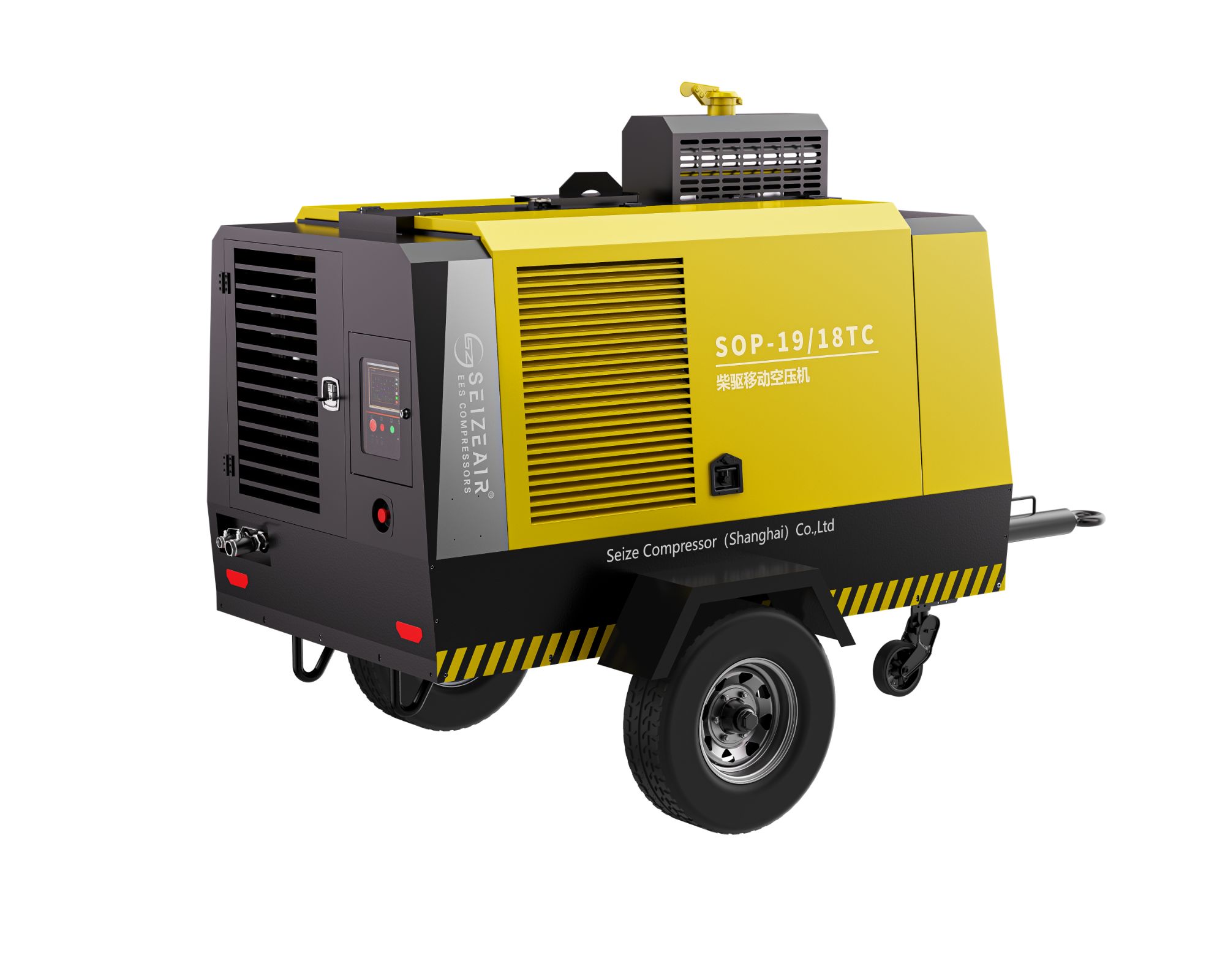
The compression cycle begins with the pulling phase, where the compressor draws in low-pressure refrigerant vapor from the evaporator. This suction stroke is crucial because it sets the stage for the entire process. The refrigerant, now a cool gas, enters the cylinder or compression chamber, ready to be transformed. It’s a bit like the inhale before a heavy lift—the system takes in what it needs before the real work starts. Without a clean, continuous pull, the whole cycle stumbles, leading to inefficiencies and strain on the other components.
Once the vapor is inside, the squeezing phase kicks in. The piston, scroll, or rotary mechanism tightens the space, rapidly increasing pressure and temperature. This compression turns the low-energy vapor into a high-energy, superheated gas. The heat generated here is a natural byproduct of the physics involved; it’s not added externally but arises from the intense molecular activity. This step demands tight seals and precise timing because any leakage or delay can bleed off that stored potential, making the whole process less effective. Think of it as coiling a spring tighter and tighter until it’s packed with energy.
Finally, the storing aspect refers to how the high-pressure gas is held momentarily before it moves into the condenser. Although it’s not stored for long, the compressor’s discharge chamber or line acts as a temporary reservoir, maintaining pressure until the thermal load calls for it. This brief hold ensures a steady, surge-free supply to the heat rejection stage. The design here aims to balance immediate demand with smooth operation, avoiding pulsations that could rattle the lines or upset the delicate balance of the refrigeration circuit. Done right, this three-part cycle keeps everything running like a quiet, dependable heartbeat.
Taming the Airflow: Regulators and Safety Valves
In any compressed air or gas system, delivering consistent pressure isn't a luxury—it's a necessity. Air regulators step in here, acting as the quiet overseers that smooth out fluctuating supply pressures to give your tools and processes exactly what they need, no more, no less. They work by balancing a spring-loaded diaphragm against downstream pressure, constantly adjusting an internal valve to hold the line steady. Without them, you'd be wrestling with erratic tool performance, wasted energy, and potential damage to sensitive equipment. The trick is matching the regulator to your flow and precision demands, and remembering that even the best unit needs clean, dry air upstream to do its job right.
On the flip side, safety valves are the last line of defense when things go sideways. They're not there for everyday pressure control—they're there for the moment a regulator fails, a blockage occurs, or a compressor runs wild. A well-chosen safety valve pops open at a set pressure, venting excess gas before a tank or pipe becomes a bomb. Sizing matters more than most realize: too small and it can't dump pressure fast enough; too large and it might chatter or leak. Installation angle, discharge piping, and periodic testing all play into whether it will actually work when called upon. Many overlook the simple fact that a safety valve gathering dust for years needs a manual pull-test now and then to keep the internals from seizing up.
Pairing regulators with safety valves creates a system that's both efficient and safe, but it's not a fit-and-forget affair. Mount the regulator too far from the point of use, and you'll see pressure drop under load. Install a safety valve without a drain line, and you could be spraying moisture or oil where it doesn't belong. The artwork lies in the details: using a pilot-operated regulator for high-flow applications, adding a soft-start feature to gently pressurize a system, or selecting a safety valve with a resilient seat for dirty environments. Getting these choices right means your air system hums along predictably, day in and day out, without drama.
Power Delivery: Couplers, Hoses, and Tool Readiness
In any hydraulic or pneumatic setup, the flow of energy depends on more than just the pump or compressor. Couplers and hoses form the arteries of the system, channeling pressurized fluid or air from the source to the point of work. A quick glance at a coupler might suggest it’s just a simple connector, but its design dictates flow rate, pressure drop, and ease of connection under field conditions. Flat-face couplers, for instance, minimize fluid loss and air inclusion during connection, which keeps the system clean and responsive. Ignoring these components leads to inefficiencies that ripple through every operation, from slower cycle times to premature wear on expensive tools.
Hoses are often treated as an afterthought until a burst or kink brings work to a halt. The right hose diameter, length, and reinforcement layer can mean the difference between a tool that struggles and one that bites with full force. Over time, even the best hoses degrade—abrasion, UV exposure, and chemical contact silently eat away at the outer cover. Regular walk-around inspections that include flexing the hose to check for cracks, and feeling for soft spots, catch problems before they turn into safety hazards. And when a hose does need replacement, matching the original working pressure rating and bend radius isn’t just a suggestion; it’s what keeps the system predictable.
Tool readiness starts long before the first trigger pull. It’s about verifying that every connection point is free of debris, that couplers seat fully with an audible click, and that there’s no hiss of a bypass leak. A tool left pressurized while disconnected can become a hazard, and a coupler packed with dirt turns a quick-connect into a slow, frustrating fumble. Setting up a simple staging area with clean caps for disconnected ends and a checklist that includes a function test under no load prevents those awkward moments when a tool fails right when it’s needed most. This kind of discipline isn’t about creating extra work; it’s about respecting the fact that power delivery is only as strong as its weakest link.
Mobile Muscle: Frames, Wheels, and Transport Ease
A solid frame is the backbone of any mobile workhorse. It's not just about surviving the occasional bump or scrape—tight tolerances and smart materials mean the chassis shrugs off daily abuse while keeping critical components locked in place. Reinforced corners and subtle shock-absorbing buffers turn accidental drops into non-events, letting you focus on the task rather than babying the gear.
The “wheels” here aren’t literal, but they define how smoothly a device moves with you. Think of the seamless glide from desk to meeting, or from vehicle to job site. Clever weight distribution and grip-friendly textures let you palm the machine one-handed without strain, while carefully positioned ports and controls prevent cable tangles that would otherwise anchor you to a single spot.
Transport ease gets baked in early, not tacked on as an afterthought. Slim profiles slide into crowded bags without bulging, and perimeter bumpers protect against pressure points when things shift in transit. Whether you’re tossing it into a backpack or stacking gear in a trunk, the design ensures the only thing you’ll wrestle with is the workload—never the hardware.
Real-World Jobs: From Jackhammers to Paint Sprayers
The hum of a jackhammer on concrete, the hiss of a paint sprayer coating a wall — these sounds belong to the people who shape our everyday world. From breaking ground for new foundations to giving a room its final sheen, hands-on jobs require a blend of muscle, precision, and a deep understanding of tools. It’s not just about brute force; it’s about reading the material, adjusting your grip, and knowing exactly when to pull the trigger.
Each tool has its own language. A jackhammer demands you brace your legs and let the weight do the work, while a paint sprayer asks for a steady, sweeping motion. Workers in these trades learn to listen to the equipment — a change in pitch can warn of a dull bit or a clogged nozzle long before anything goes wrong. There’s a rough elegance in how a veteran operator feathers the trigger of a spray gun to fade a coat of lacquer, or how a demolition crew times their swings to avoid buried pipes.
These aren’t just jobs; they’re physical puzzles solved on the fly. You might start a day swinging a sledgehammer and end it with a fine-bristle brush. The variety keeps the work honest and the skills sharp. While machines evolve, the core remains: a person making real decisions in real time, leaving behind a surface that’s smoother, a structure that’s stronger, or a color that changes how a space feels. That’s the quiet reward you won’t find in a manual.
FAQ
It starts with a diesel engine burning fuel to spin a shaft connected to an air pump, often a rotary screw or piston. That pump pulls outside air through a filter, squeezes it into a smaller volume, and pushes it into a storage tank. From there, regulated compressed air flows through hoses to your tools. The engine also drives cooling fans and pressure controls to keep everything steady.
You've got the diesel engine as the power source, the compression element doing the actual squeezing, an intake filter to catch dirt, an aftercooler that cools the air and knocks out moisture, a separator tank for oil and air, plus control valves and gauges. There's also a fuel tank, battery, and exhaust system tied into the frame.
Diesel engines sip fuel while delivering strong torque at low revs, which fits compressors perfectly. They run longer on a tank, handle continuous loads without complaint, and don't need a power outlet—crucial for remote work. You'll also get more hours out of a diesel before major overhauls, and the fuel itself is less volatile.
Air first goes through a heavy-duty filter to remove particles. After compression it's hot and humid, so it passes through an aftercooler that drops the temperature, causing water to condense. A moisture separator then spins or traps that liquid out. Some units add a dryer or coalescing filter for extra protection, especially for painting or sandblasting.
You'll be changing engine oil and compressor oil on a schedule, swapping air and fuel filters, checking belt tension, draining the tank of water daily, inspecting hoses and fittings for leaks, and topping up coolant. Stick to the manufacturer's hour-based checklist. Skip these and you risk overheating, pressure loss, or a seized pump.
Absolutely—just add up the CFM requirements of all tools you'll use together, then pick a compressor with a rating at least 20% higher than that total. Use a manifold to split the air, and consider staggering start-ups so the tank can recover. If you're running a big impact wrench with a constant-use grinder, make sure the compressor has the guts to keep up.
Always run it outdoors or in wide-open spaces—diesel exhaust kills. Wear earplugs and safety glasses. Park it on level ground and chock the wheels. Bleed tank pressure before disconnecting hoses. Check for fuel or oil puddles before firing up. Follow lockout steps when servicing. And never push tools or hoses past their rated pressure.
Conclusion
At the heart of a diesel portable air compressor lies a rugged diesel engine directly coupled to a compressor pump. This synergy transforms diesel's chemical energy into mechanical force, driving pistons or rotary screws that pull ambient air through an intake filter. The compression cycle then squeezes this air to a fraction of its original volume, dramatically raising its pressure before routing it into a storage tank. Throughout this process, precision regulators and spring-loaded safety valves work in concert to tame the airflow—maintaining consistent pressure and automatically venting excess to prevent dangerous over-pressurization. This careful orchestration ensures a steady, reliable stream of compressed air ready for demanding tasks.
Once pressurized, the air travels through heavy-duty couplers and hoses to power a wide range of pneumatic tools, from jackhammers shattering concrete to paint sprayers delivering smooth finishes. The entire system is built for mobility: a sturdy frame, large wheels, and balanced design make it easy to tow or maneuver across job sites with no external power source needed. This self-contained muscle is why diesel portables excel in remote construction, road repair, and agricultural applications—anywhere you need robust, go-anywhere air power that starts with a simple pull of a cord.
Contact Us
Contact Person: Mia
Email: [email protected]
Tel/WhatsApp: +86 19821985894
Website: https://www.seize-air.com