
Customs Data Analytics Worldwide: Unlocking Insights for Global Trade
2026-04-14
In an era where global trade moves at unprecedented speeds, understanding the intricate patterns within customs data has become more crucial than ever. This blog explores how modern analytics transform raw customs data into actionable insights that drive smarter business decisions. With platforms like Tendata leading the charge, companies can now unlock hidden opportunities and navigate international markets with confidence. Whether you're a seasoned importer or new to the trade landscape, join us as we delve into the power of customs data analytics and its impact on global commerce.
Harnessing Customs Data to Reveal Global Trade Patterns
Customs data acts as a powerful lens into the intricate dynamics of global commerce, offering a granular view of what goods are moving where and in what volumes. By analyzing import and export declarations from ports worldwide, researchers and businesses can track shifts in supply chains, identify emerging markets, and spot trends long before they're visible in aggregated reports. This real-time, transactional information reveals not just the static picture of trade but its constant evolution.
Beyond simple trade flows, this data helps uncover patterns like the rise of re-export hubs or the impact of geopolitical events on specific industries. For instance, a spike in semiconductor shipments from one region to another might signal new manufacturing partnerships or technological shifts. Such insights are invaluable for companies aiming to optimize logistics, policymakers crafting trade agreements, and economists modeling global interdependencies.
Harnessing this resource requires sophisticated tools to clean and interpret vast datasets, but the payoff is a clearer, more actionable understanding of world trade. It turns raw numbers into stories about economic resilience, innovation, and competition, making it essential for anyone navigating today's interconnected markets.
How Advanced Analytics Transform Customs Information into Actionable Insights
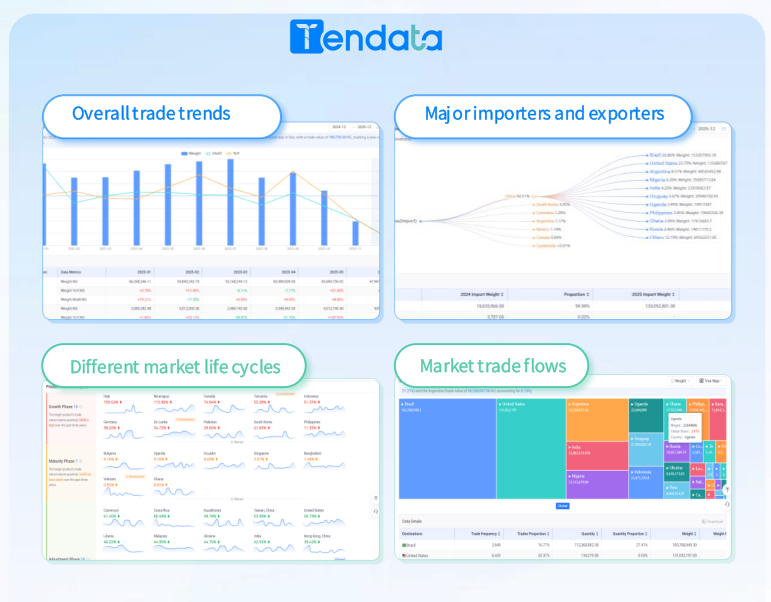
In modern customs operations, advanced analytics serve as a powerful engine that converts vast arrays of raw data—from cargo manifests to traveler histories—into clear, actionable insights. By leveraging machine learning algorithms and real-time processing, customs agencies can now identify hidden patterns, such as subtle anomalies in shipment declarations or unusual travel behaviors, that might otherwise evade traditional monitoring methods. This transformation enables more precise targeting of high-risk activities, shifting from broad-brush approaches to a nuanced, intelligence-driven framework that enhances both security and efficiency.
Beyond mere detection, these insights empower customs officials to make proactive decisions, such as dynamically adjusting inspection protocols based on predictive risk assessments or streamlining clearance for low-risk shipments to boost trade flow. For instance, by analyzing historical data on smuggling attempts, analytics can forecast emerging threats, allowing agencies to allocate resources strategically and respond swiftly to evolving challenges. This actionable intelligence not only improves compliance but also fosters a more agile customs environment where decisions are data-informed rather than guesswork-based.
Moreover, the integration of advanced analytics transforms customs into a collaborative hub, where insights derived from data can be shared across borders to combat transnational crimes like trafficking and fraud. As agencies harness tools like natural language processing to parse unstructured documents or IoT sensors to track goods in transit, they unlock new layers of actionable knowledge. Ultimately, this data-driven approach redefines customs as a smarter, more responsive institution, turning information into tangible outcomes that safeguard economies and communities alike.
Identifying Market Opportunities and Threats Through Customs Analytics
Customs analytics serve as a potent tool for businesses aiming to navigate global trade complexities. By digging into customs data, companies can uncover hidden patterns in import and export flows, such as rising demand for certain product categories in specific regions or shifts in supply chain dynamics. This intelligence allows firms to pinpoint untapped markets, optimize their sourcing strategies, and tailor offerings to meet emerging consumer needs, ultimately driving growth and competitive advantage.
Beyond spotting opportunities, customs analytics is crucial for identifying and mitigating potential threats. Analyzing customs declarations can reveal regulatory changes, tariff adjustments, or trade barriers that might impact operations. For instance, detecting a surge in imports of a particular component could signal increased competition or supply shortages. By staying ahead of these trends, businesses can proactively adjust their strategies, ensure compliance, and protect against financial or reputational risks.
To leverage custom analytics effectively, businesses should integrate this data with other sources like market research and financial reports. This holistic approach provides a comprehensive view of the trade landscape, enabling more accurate forecasting and decision-making. By combining insights from customs analytics with real-time intelligence, organizations can swiftly adapt to market shifts, capitalize on fleeting opportunities, and build resilience against unforeseen challenges.
Leveraging Data for Predictive Strategies in International Commerce
Harnessing vast datasets from global trade flows offers businesses a competitive edge in anticipating market shifts before they happen. By analyzing import-export patterns, consumer behavior trends, and economic indicators across borders, companies can move beyond reactive decision-making. For instance, a firm might use predictive models to identify emerging demand for specific products in a region, allowing it to adjust supply chains or marketing efforts proactively rather than scrambling after trends emerge. This data-driven foresight reduces risks associated with volatile international markets, turning uncertainty into a manageable asset for strategic planning.
Advanced technologies, including machine learning algorithms and real-time analytics platforms, enable deeper insights into cross-border commerce dynamics. These tools can process diverse data sources—such as shipping logs, customs records, and social media sentiment—to forecast trade disruptions, tariff impacts, or shifts in consumer preferences. A practical application might involve predicting how geopolitical events could affect supply routes, helping businesses diversify their logistics networks in advance. This proactive stance not only mitigates potential losses but also uncovers hidden opportunities, such as entering new markets before competitors catch on, fostering innovation in international operations.
To effectively leverage data for predictive strategies, businesses must prioritize data quality and integration across global operations. This involves standardizing data from disparate sources, ensuring accuracy through validation processes, and fostering a culture where data insights inform strategic decisions at all organizational levels. By embedding predictive analytics into daily workflows, companies can continuously refine their approaches, adapting swiftly to global changes and staying ahead in the fast-paced world of international commerce. Ultimately, this transforms data from a passive resource into an active driver of growth and resilience on a global scale.
Enhancing Supply Chain Efficiency with Customs Data Intelligence
Customs data intelligence is revolutionizing how businesses optimize supply chain operations by providing real-time insights into cross-border trade flows and regulatory compliance. By analyzing customs declarations, tariffs, and shipment data, companies can identify bottlenecks, reduce transit delays, and enhance coordination with logistics partners, leading to smoother and faster global distribution.
This approach goes beyond basic tracking; it enables predictive modeling to anticipate disruptions like port congestion or policy changes, allowing businesses to proactively adjust routes or inventory levels. As a result, costs are lowered, reliability improves, and supply chains become more resilient in today's dynamic international markets.
Leveraging advanced analytics, organizations transform raw customs data into actionable strategies that streamline documentation, ensure compliance, and foster agile decision-making. This not only boosts operational efficiency but also strengthens competitive advantage by enabling quicker response to market shifts and customer demands.
Navigating Regulatory Compliance and Trade Barriers with Analytics
As global markets become increasingly interconnected, businesses face a complex web of regulatory compliance requirements and trade barriers that can hinder international expansion and operational efficiency. Analytics offers a powerful solution for navigating these challenges by transforming raw data into actionable insights. By leveraging advanced data analysis tools, companies can monitor regulatory changes in real-time, predict compliance risks, and adapt strategies proactively rather than reactively. This approach not only reduces the likelihood of costly penalties but also streamlines supply chains, ensuring smoother cross-border transactions despite fluctuating tariffs and customs regulations.
The use of analytics to tackle trade barriers extends beyond mere compliance; it enables a deeper understanding of market-specific dynamics that influence trade flows. For instance, predictive models can analyze historical data on tariffs, quotas, and non-tariff barriers to forecast potential disruptions or opportunities in specific regions. This allows companies to diversify their supply sources, optimize logistics routes, and negotiate better terms with partners. By integrating data from multiple sources—such as trade agreements, economic reports, and geopolitical trends—analytics provides a holistic view that helps businesses stay resilient and competitive in an unpredictable global landscape.
Embracing analytics for regulatory and trade management isn't just about risk mitigation; it can also drive innovation and growth. Companies that master this approach often uncover hidden efficiencies, such as identifying underutilized trade corridors or compliance loopholes that offer competitive advantages. Moreover, by building a data-driven culture, organizations can foster better collaboration between legal, logistics, and strategic teams, ensuring that decisions are informed by empirical evidence rather than guesswork. Ultimately, this leads to more agile operations, enhanced customer satisfaction, and a stronger market position, turning potential obstacles into opportunities for expansion and profitability in diverse international markets.
FAQ
By analyzing customs data, businesses and governments can identify emerging markets, track commodity flows, and predict trade disruptions, offering a real-time snapshot of international commerce that goes beyond traditional reports.
Firms use this data to optimize supply chains by pinpointing inefficiencies, assessing tariff impacts, and discovering untapped opportunities in specific regions, allowing them to make informed, strategic decisions faster than competitors.
Variations in data formats, inconsistent reporting standards, and language barriers often complicate analysis, requiring advanced tools and expertise to normalize and cross-reference information accurately.
It enables organizations to detect fraud, monitor compliance with regulations, and anticipate geopolitical or economic shocks, reducing financial losses and ensuring smoother operations across borders.
Analysts have revealed unexpected shifts in trade routes, like increased agricultural exports through non-traditional ports during crises, highlighting adaptability in global supply networks that wasn't apparent from surface-level data.
Real-time data allows for agile responses to immediate changes, such as sudden tariff adjustments or port closures, whereas historical reports provide context for long-term trends, both being essential for a balanced strategy.
Advanced algorithms and AI tools automate data cleaning, integrate disparate sources, and provide predictive analytics, minimizing human error and uncovering deeper insights that manual methods might miss.
Conclusion
Customs data analytics has emerged as a transformative tool for global trade, revealing intricate patterns and trends that drive international commerce. By harnessing customs data, businesses and governments can uncover hidden insights into trade flows, commodity movements, and regional dependencies, as highlighted in the analysis of global trade patterns. Advanced analytics further enhance this process, converting raw customs information into actionable strategies, such as identifying market opportunities and threats through detailed assessments. This approach allows stakeholders to navigate the complexities of international markets with greater precision and foresight, turning data into a competitive advantage.
Moreover, leveraging data for predictive strategies empowers organizations to anticipate shifts in trade dynamics and adapt proactively. Customs data intelligence plays a crucial role in enhancing supply chain efficiency by optimizing logistics and reducing delays, ensuring smoother operations across borders. Additionally, analytics aid in navigating regulatory compliance and trade barriers, helping businesses mitigate risks and ensure adherence to evolving international standards. Overall, these integrated insights not only unlock new opportunities for growth but also foster resilience in an increasingly interconnected global economy, making customs data a vital resource for strategic decision-making.
Contact Us
Contact Person: Grace
Email: [email protected]
Tel/WhatsApp: +86 18721992033
Website: https://www.tendata.com