
Custom Kids Socks: How to Choose the Best OEM Manufacturer for Your Brand
2026-07-28
When it comes to custom kids' socks, every detail counts—from playful designs to safe, durable materials. Finding the right OEM manufacturer can feel overwhelming, but it’s the key to bringing your brand vision to life. At KINDWAY, we understand that behind every pair is a story waiting to be told, and a reputation you’re building with every stitch. Let’s explore what truly matters when choosing a partner who treats your creations as their own.
Untangling Material Safety Standards for Little Feet
When it comes to the materials that touch a child’s skin, the stakes are uniquely high. A toddler’s feet are not just miniature versions of adult feet—they sweat more, grow at a staggering pace, and spend hours in close contact with the insides of shoes. This means even trace amounts of harmful substances, from lead in synthetic dyes to phthalates in flexible plastics, can pose risks that are magnified by repeated exposure. The challenge for parents is that safety standards vary wildly across regions and labels can be misleading. A “non-toxic” sticker doesn’t always mean the product has been screened for the full spectrum of chemicals that can leach out during wear, especially in warm, humid conditions.
Peeling back the layers of regulation reveals a patchwork of guidelines that manufacturers may follow—or sidestep. In the European Union, the REACH regulation sets strict limits on substances like dimethyl fumarate, a biocide found in some leather goods, while in the United States, the Consumer Product Safety Commission enforces lead and phthalate restrictions under the CPSIA, but gaps remain for lesser-known compounds. For little feet, the focus often narrows to three key areas: the leather tanning process (where chromium VI can lurk if not properly processed), the adhesives used to bond soles (which may off-gas volatile organic compounds), and the textile dyes that can rub off onto sweaty socks. Third-party certifications like OEKO-TEX or bluesign can offer a shortcut, but even these have their limits if the parent company doesn’t audit every supplier along the chain.
None of this means parents need a chemistry degree to choose wisely. A practical approach starts with prioritizing natural, minimally processed materials—vegetable-tanned leathers, certified organic cotton, and natural rubber soles. It also helps to ask retailers direct questions about their chemical management policies and to favor brands that share full material disclosures rather than vague marketing copy. Because while the regulatory landscape is indeed tangled, a combination of curiosity and cautious optimism can clear a path toward footwear that protects those tiny, exploring feet from the ground up.
Spotting True Customization Capabilities Beyond Basic Logo Stitching
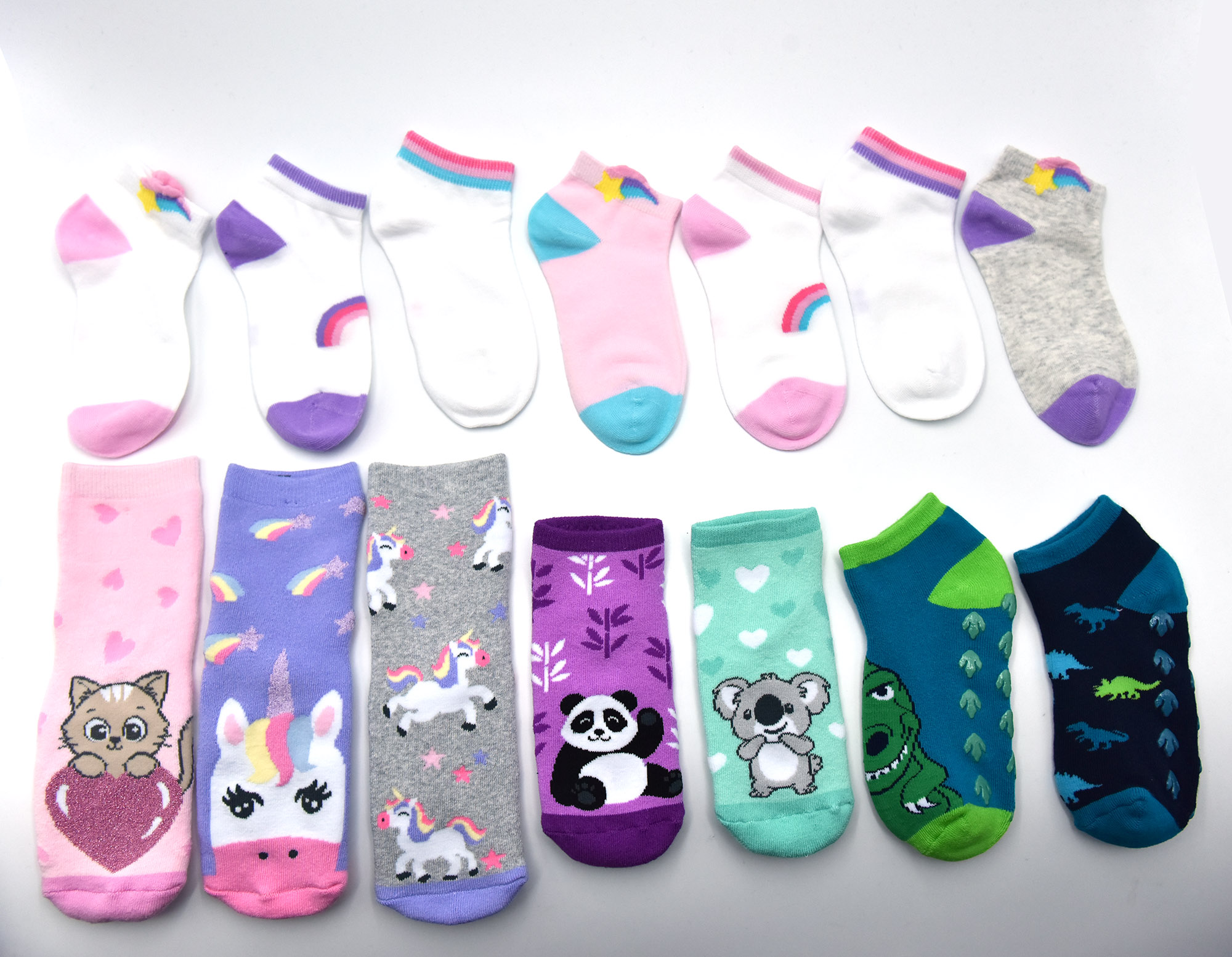
True customization runs deeper than adding a logo to a pre-made template. It means rethinking the item from scratch—altering structural components, integrating specialized hardware, or engineering materials to meet specific demands. A jacket isn't just embroidered; its lining, pocket configuration, and seam sealing are adapted to the user's workflow. This level of depth separates genuine made-to-order solutions from surface-level personalization.
Look for providers who discuss fabric weight adjustments, ergonomic tailoring, or modular attachment systems. These signals indicate a willingness to deconstruct and rebuild, rather than simply decorate. Ask how they handle unconventional requests—if the answer involves re-patterning rather than adding a patch, you've found a partner capable of delivering something truly unique.
Ultimately, authentic customization reveals itself in the details that serve a purpose. Zipper pulls changed to aid gloved hands, reinforced stress points based on repeated motion, or color coding that maps to internal systems all point to a collaborative design process. It's this functional tailoring, often invisible at a glance, that transforms an ordinary product into essential equipment.
Navigating Minimum Orders Without Sacrificing Flexibility
Balancing minimum order requirements with the need for operational agility often feels like a tug-of-war. Many suppliers set MOQs based on production efficiency, but savvy negotiators can find creative workarounds—like splitting orders across product variants or agreeing to staggered shipments—to keep inventory lean without burning bridges.
Another overlooked tactic is building collaborative forecasting into the supplier relationship. By sharing demand projections and marketing calendars early, you may unlock partial-order concessions or blended pricing that makes smaller batches viable. Trust and transparency here can replace rigid terms with a partnership built on mutual benefit.
Sometimes the answer lies outside traditional supply chains. Exploring regional manufacturers, maker collectives, or even shared production runs with non-competing businesses can open doors to lower volumes without the premium. The key is to treat minimum orders not as a fixed rule, but as the starting point for a conversation about value—for both sides.
Decoding Communication Cues That Predict a Smooth Partnership
Subtle shifts in tone and pacing during early conversations can reveal whether a collaboration will flow naturally. Paying attention to how quickly someone responds, the warmth in their voice, and whether they mirror your phrasing often hints at a deeper alignment—or a mismatch waiting to surface.
Beyond words, tiny gestures like nodding at the right moment or leaning in when you speak can signal genuine engagement. These unspoken patterns, when consistently present, tend to forecast a partnership that handles friction with ease rather than letting small snags turn into deal-breakers.
Sustainability in Children's Hosiery as a Brand Differentiator
Today's parents aren't just buying socks—they're investing in values. When a hosiery brand embraces sustainable materials like organic cotton or recycled fibers, it taps into a growing demand for eco-conscious children's wear. This choice becomes a quiet yet powerful statement, telling shoppers that the brand cares about the world their kids will inherit. It’s not just about softness or durability; it’s about aligning with families who prioritize planet-friendly products in every aisle, from food to fashion.
Standing out on a crowded shelf requires more than bright colors or cute patterns. Sustainability acts as a trust signal, turning a basic commodity into a thoughtful purchase. Parents who discover a hosiery line made with low-impact dyes or biodegradable packaging are more likely to remember the brand and return—not because of a catchy slogan, but because the product reflects their own efforts to make greener choices at home. This emotional connection transforms socks from a forgettable necessity into a small act of mindful parenting.
For retailers, stocking sustainable children's hosiery opens doors to storytelling that generic brands simply can’t offer. It’s an opportunity to highlight the journey from raw material to finished pair, emphasizing certifications, ethical factories, or water-saving production methods. This narrative creates a distinctive identity that attracts not only eco-aware parents but also gift buyers looking for meaningful presents. Over time, a reputation for genuine environmental commitment becomes a moat that fast-fashion competitors find hard to cross—because authenticity in sustainability isn’t easily replicated with a price cut.
Checking Production Timelines Without Derailing Your Launch Plans
It’s tempting to view production timelines as set in stone once a launch date is locked. But rigidly adhering to them without regular check-ins can backfire. The trick is to weave in quick, non-disruptive reviews that catch slipping tasks before they become emergencies. A 15-minute weekly sync with the manufacturing lead, for instance, can reveal whether a component delay is just a blip or a trend that needs a course correction.
Instead of demanding exhaustive reports, ask targeted questions: “Which two steps are most likely to cause a bottleneck in the next ten days?” or “If we had to shave three days off the schedule without sacrificing quality, where would you start?” These prompts encourage honest, forward-looking answers without making your team feel micromanaged. Document these insights in a shared, lightweight log so everyone stays aligned without drowning in paperwork.
When a timeline issue does surface, resist the urge to simply compress the remaining phases. That often leads to burnout and errors. Instead, explore parallel processing—running testing alongside final packaging preparation, for example—or negotiate a phased launch that releases core features first. This keeps your overall plan intact while giving production the breathing room it needs to deliver a polished result.
FAQ
Check for certifications like OEKO-TEX or GOTS to ensure materials are free from harmful substances. Ask about their testing protocols for seams, elasticity, and colorfastness, and request samples to personally inspect softness, stretch, and how well they hold up after washing.
Request detailed material safety data sheets and confirm compliance with regulations such as CPSIA or EU REACH. A trustworthy partner will be transparent about their supply chain and even provide third-party lab test results for things like lead and phthalates.
Kids socks often need playful designs, unique packaging, and size variations. A good manufacturer should offer a wide range of custom options—from yarn dyeing and jacquard patterns to grip soles and hang tags—without demanding prohibitively high minimum orders.
Find out their monthly output, typical turnaround for sampling and bulk orders, and how they handle peak periods like back-to-school season. Also discuss contingency plans for material shortages to avoid stockouts that could hurt your brand.
Look for fair labor certifications like WRAP or SA8000, and ask about their environmental impact—do they use recycled fibers or eco-friendly dyes? Visiting the factory or hiring an audit service can give you real confidence in their working conditions and sustainability claims.
Ask for a detailed breakdown covering materials, labor, packaging, and shipping. Then benchmark against multiple quotes, but be cautious of low-ball offers—they often cut corners on stitching, dyes, or safety testing that are non-negotiable for children's products.
Ensure they sign a non-disclosure agreement and clarify intellectual property rights in the contract. A reputable manufacturer will respect your exclusive patterns and even help you register designs in key markets if needed, reinforcing a long-term trusted partnership.
Conclusion
Selecting the right OEM partner for custom kids' socks means looking well beyond a simple price list. It starts with ensuring every pair meets strict material safety standards—certifications like OEKO-TEX are non-negotiable when little feet are involved, and you'll want proof that dyes and fabrics are free of irritants. Yet safety is only the baseline. True customization capabilities separate forgettable basics from standout products; think beyond logo prints to custom-shaped grippers, story-driven packaging, and specialized yarn blends that align with your brand's unique vision. In today's market, weaving sustainability into your line isn't just a bonus—it's a powerful differentiator. A manufacturer that offers organic cotton, recycled polyester options, or low-impact dyeing processes can help your brand connect with eco-conscious parents on a deeper level.
Operational details can make or break a partnership just as quickly as product quality. Minimum order quantities should allow you to test new designs without locking up capital or forcing inventory clearance sales down the road—flexibility here is key. How a manufacturer communicates during the sampling phase often mirrors their overall reliability: watch for clear timelines, proactive problem-solving, and genuine engagement rather than canned responses. Finally, align production schedules with your launch calendar early. Ask for realistic lead times that include holidays, material sourcing, and quality checks. When all these pieces—safety, creativity, eco-awareness, and operational transparency—fit together, the right manufacturer stops being just a supplier and becomes a real growth partner for your brand.
Contact Us
Contact Person: Alfred Lee
Email: [email protected]
Tel/WhatsApp: +86 13806701496
Website: https://www.hainingsocks.com/