

Complete Corrugated Rotary Die Making Equipment for Precision Packaging Solutions
2026-11-03
Precision packaging solutions don't start with the final box—they start with the die that cuts it. In corrugated production, every crease, slot, and cut line has to be exact, or the entire run suffers. That's why complete corrugated rotary die making equipment is no longer a luxury; it's the standard for converters who can't afford rework. At ADEWO, we've seen how the right rotary die system transforms not just output, but the whole production mindset. Here's what makes this equipment a game-changer.
Inside the Die Shop: How Rotary Cutting Tools Get Their Edge
Walking through a die shop, the first thing that hits you is the smell of cutting fluid mixed with hot metal. Rotary cutting tools begin as cylindrical blanks of carbide or high-speed steel, stacked in trays near the grinding stations. An operator loads a blank into a five-axis CNC grinder, and within minutes the machine carves helical flutes and a sharp cutting edge using a diamond wheel spinning at over 10,000 RPM. The process looks almost violent, with sparks arcing off the blank, but the tolerances are held to within a few microns.
After the initial grind, each tool gets a quick deburring and then moves to the coating bay. Here, a thin layer of titanium aluminum nitride or similar compound is deposited in a vacuum chamber. The coating isn't just for show—it reduces friction, resists heat, and keeps the cutting edge from chipping when the tool slams into hardened steel. Some shops also add a micro-honed edge preparation, gently rounding the sharp corner to make it more durable without sacrificing sharpness.
Finally, every batch passes through a laser measuring system that checks flute geometry, runout, and edge radius against the print. A handful of tools are pulled for test cuts on actual workpiece material. If the chips break cleanly and the surface finish matches spec, the tools are boxed up and shipped. It's a combination of old-school craftsmanship and precision automation that gives these rotary tools their biting edge.
Why Corrugated Packaging Demands More Than Standard Tooling
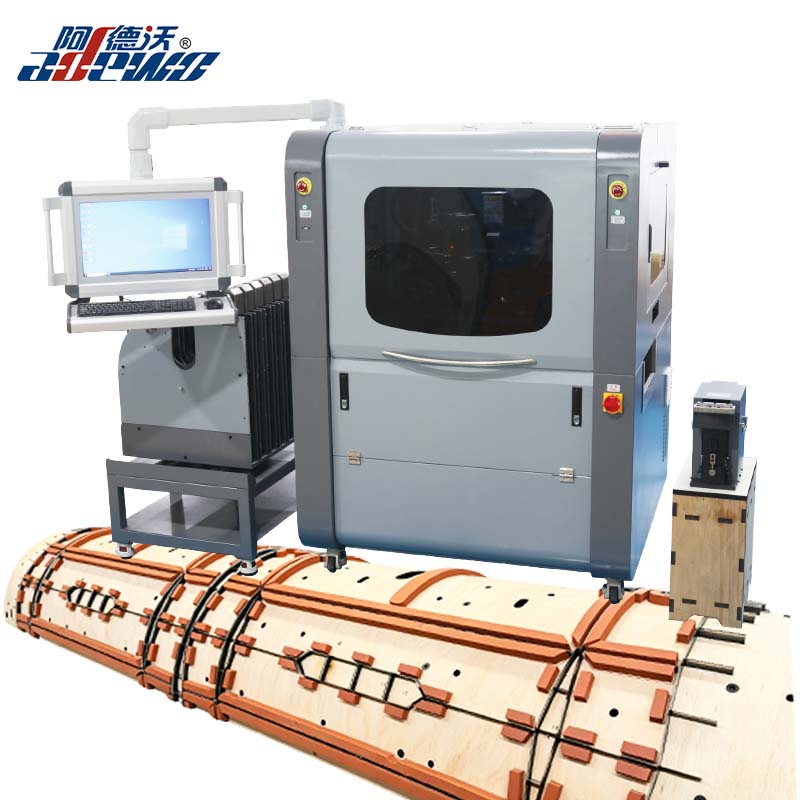
Corrugated board doesn't behave like folding carton stock or litho labels. The fluted medium creates uneven pressure points across the die, and if you run standard flat tooling, you'll get crushed flutes near the scores and ragged cuts where the board shifts under load. That's why corrugated-specific dies use wider crease channels, thicker rule bodies, and deeper profiles that match the actual caliper after fluting—not the nominal sheet thickness printed on the spec sheet.
There's also the abrasive side of the equation. High recycled content, especially in double-wall and triple-wall grades, wears down standard steel rules quickly, leading to frayed edges and increasing make-ready time. A proper corrugated tooling setup compensates with harder rule tips, coated ejection rubbers that survive the higher compression cycles, and sometimes serrated rules for thick or wet-strength boards. In practice, investing in tooling built for corrugated means fewer stops to clear jammed scrap, less fiber dust contamination, and more consistent box dimensions from first hit to last.
Engineering the Perfect Cut: The Mechanics of Rotary Dies
Rotary die cutting looks straightforward until you consider what’s happening at the point of contact: a hardened cylinder rolling against an anvil with only a few microns of engineered clearance. That gap determines whether a kiss cut leaves a liner intact or a through cut separates cleanly without burring. Getting it right demands matching die geometry to the substrate’s thickness, density, and fiber orientation, not just grinding a sharp edge.
The cutting edge itself is rarely a symmetrical wedge. On rotary dies, the bevel angle and land width shift depending on whether you are slicing adhesive films, creasing paperboard, or perforating label stock. A steeper angle reduces cutting force but dulls faster under abrasive materials; a shallower angle improves edge retention yet can push material away before it shears. Experienced toolmakers adjust these variables along with die runout and bearing preload so the cylinder deflects predictably under load.
Speed introduces another layer of complexity. At high rotation rates, the anvil and die surfaces heat up, thermal expansion closes clearances, and viscoelastic materials behave differently than they do in slow trials. Because of that, a die that performs perfectly at 50 meters per minute may generate ragged edges or liner nicks at 200. The best rotary die systems account for this with temperature-stable tooling, dynamic balancing, and controlled side load—not simply by tightening the cut depth.
From Blueprint to Box: Building Dies That Hold Tolerance
Turning a die blueprint into a working tool isn't just about cutting steel to match the drawing. The real challenge lies in holding tolerances through every step—roughing, semi-finishing, heat treating, and final grinding. A fraction of a millimeter drift during roughing can stack up and destroy the final clearance. That's why experienced die builders map out datum surfaces and reference points early, machining critical features in a specific sequence so that each operation reinforces rather than fights the previous one.
Material choice and heat treatment play as much of a role as the machining itself. A die made from unstable or improperly stress-relieved steel will move after you've hit your numbers, no matter how precise your CNC work was. Many shops now rough out the die, send it for stress relief, then do the final precision grinding. This approach lets the steel settle before you chase the last few microns. Using the same brand and hardness of tooling for finishing also keeps thermal growth predictable, which matters when you're holding ±0.005 mm on a bore or a trim edge.
In the end, holding tolerance isn't just measured with a micrometer at the bench. It's proven when the die is mounted in the press and the first parts come out consistent. That's why a final inspection should include checking the die under its own mounting conditions—bolted to the same plate, with the same torque sequence it'll see in production. Sometimes a die that measures perfect on the surface plate will shift once it's clamped down. Catching that before it ships saves the customer from a nasty surprise on their shop floor.
Material Choices That Separate Premium Dies from the Rest
Top-tier dies rarely start with the same off-the-shelf stock found in budget tooling. Instead, they lean on powder-metallurgy high-alloy steels like CPM 10V or Vanadis 4 Extra, which deliver a fine, uniform carbide distribution. That microstructure matters when a die has to hold an edge through thousands of cycles without micro-chipping or sudden edge collapse. Cheaper alternatives often rely on conventional ingot-cast D2 or A2, where carbide banding and uneven hardness can hide until the first production run. Under a microscope, the difference is stark long before any part gets stamped.
Premium die materials also strike a deliberate balance between hardness and toughness that budget options rarely attempt. A die hardened to 62 HRC may cut cleanly but fracture under a sudden load; drop to 58 HRC and it starts to deform. High-end shops use ESR or vacuum-arc remelted grades to remove inclusions that act as crack initiation sites. Then they pair the steel with surface treatments like plasma nitriding or PVD coatings such as AlCrN and TiAlN—not just for wear resistance, but to cut down on galling and material pickup. The result is a tool that runs longer between maintenance, not because it is harder overall, but because common failure mechanisms have been engineered out.
Material choice also extends to the supporting components around the working die. Premium builds often specify shock-resistant steels like S7 or even maraging grades in high-impact areas, while budget versions stick with generic 4140. That extra toughness means the die set can survive a mistimed press stroke or a double-hit without cracking. In practice, it is the difference between a tool that lives for a decade and one that needs weekly rework.
The Hidden Costs of Inconsistent Die Making—and How to Avoid Them
Most mold shops only count the price of cutting steel. The real drain shows up later: rework hours, extra bench time, parts that almost fit but don’t, and delivery dates that slip while someone tries to hand-fit a core or cavity. Inconsistent die making also wears down your best people—they spend more time chasing variation than doing skilled work.
A more reliable approach starts with locking down process details before the job begins. That means clear setup sheets, tooling that gets checked instead of assumed, and measurements taken at intermediate steps rather than only at the end. When everyone follows the same sequence and records the same data, small drifts get caught early, before they turn into scrap or angry phone calls.
The payoff is less glamorous than a new machine, but it compounds quickly: shorter tryouts, fewer emergency fixes, and dies that perform the same on day 500 as on day one. Avoiding inconsistency isn’t about being rigid—it’s about removing guesswork so your skilled machinists can focus on the work that actually requires judgment.
FAQ
It bundles everything needed to produce precision rotary cutting dies for corrugated board—including machining, finishing, and quality checks—so packaging converters can keep tolerances tight without outsourcing key steps.
Everything from die-cut shipping boxes and retail-ready trays to intricate point-of-purchase displays. The rotary process handles high-volume runs cleanly, making it a solid fit for food, beverage, and e-commerce packaging.
Rigid frame construction, precision-ground anvils, and controlled feed systems work together to minimize deflection and drift. Many setups also include automated measurement feedback so the cutting profile stays consistent hour after hour.
Yes. Adjustable clearance and tooling configurations let you switch between B, C, E, and even double-wall board without excessive retooling. That flexibility helps shops handle varied customer jobs on one line.
Regular lubrication of bearing journals, scheduled inspection of cutting edges, and periodic calibration of grinding or EDM modules. Keeping a log of run hours and tool wear makes it easier to catch small issues before they affect cut quality.
Most suppliers offer structured onboarding that covers setup, CAD-to-tool path workflow, and safety interlocks. While no system is plug-and-play, an experienced die shop usually reaches production speed within a few weeks.
Typically hardened tool steel for the cutting rules and die boards, with options for coated or carbide-tipped edges depending on the abrasive load of the corrugated material. The frame and anvils are also built from stress-relieved alloys to resist wear.
Rotary systems usually far outpace flatbed alternatives on long, repeat orders because the cutting motion is continuous. Setup between jobs is quicker on well-designed rotary lines, though flatbed may still win for very short or highly specialized runs.
Conclusion
A precision corrugated rotary die line does not start with horsepower or speed—it starts in the tooling room, where cutting edges are shaped, measured, and reconditioned under conditions that leave little room for error. Standard tooling rarely survives long in corrugated production; the substrate fights back with abrasive liners, inconsistent flute profiles, and board dust that accelerates wear. Rotary die mechanics carry that burden daily, relying on tight bearing alignment, controlled anvil pressure, and balanced cylinder geometry to produce clean scores and ejection points without crushing the medium. When a die holds tolerance from blueprint to box, every fold, slot, and perforation lands where the packaging engineer intended, reducing jam-ups on folder-gluers and keeping customer specifications intact.
Material selection often separates premium dies from commodity alternatives. Tool steel chemistry, heat treatment depth, and surface coatings determine whether a die cuts 100,000 boxes or loses its edge before a shift ends. Inconsistent die making hides its costs in ways that never appear on the initial invoice: premature die replacement, higher scrap rates, unscheduled downtime, and lost production capacity. Investing in complete rotary die making equipment—grinders that restore exact bevel angles, automated inspection systems that catch deviations early, and tooling matched to specific board grades—pays back not by making boxes faster, but by making rejections rare. Precision packaging solutions depend on that quiet predictability, and the equipment behind it deserves as much attention as the press itself.
Contact Us
Contact Person: KAELYN LEE
Email: [email protected]
Tel/WhatsApp: +86 15012673758
Website: https://www.china-adewo.com