

Commercial Window Shades Wholesale: A Practical Guide to Bulk Buying for Businesses
2026-08-22
If you're tasked with sourcing commercial window shades wholesale, you've probably already spotted the gap between brochure pricing and what lands on the invoice. Bulk buying comes with a steep learning curve—fabric certifications, hardware specs, packaging density, and lead-time math all shape your real cost per unit. This guide works through those variables in plain terms, with practical tips and a closer look at manufacturers like ROLLERGY that build for commercial-scale orders.
Starting with the Space, Not the Shade Catalog
When you start with the room itself rather than flipping through a fan deck, you notice the way natural light shifts across the walls at different times of day. A north-facing space might make a pale gray look flat and cold, while the same swatch in a sun-drenched kitchen gains warmth. Pay attention to the existing materials—flooring, trim, upholstery—because they already set a tonal foundation.
Consider the room's purpose and how you want to feel in it. A bedroom calls for colors that recede and calm, while a dining area can handle deeper, more saturated tones that encourage lingering. By rooting the palette in the room's actual conditions, you avoid the common mistake of falling for a shade on paper that never quite translates to your walls.
Once you have a sense of the space, narrow the catalog to a few candidates and test them in large patches on multiple walls. Move the samples around throughout the day, observing how they respond to both artificial and natural light. This way, the final choice is a response to the room, not just a pretty chip in isolation.
Why Commercial-Grade Fabrics Cost More Up Front
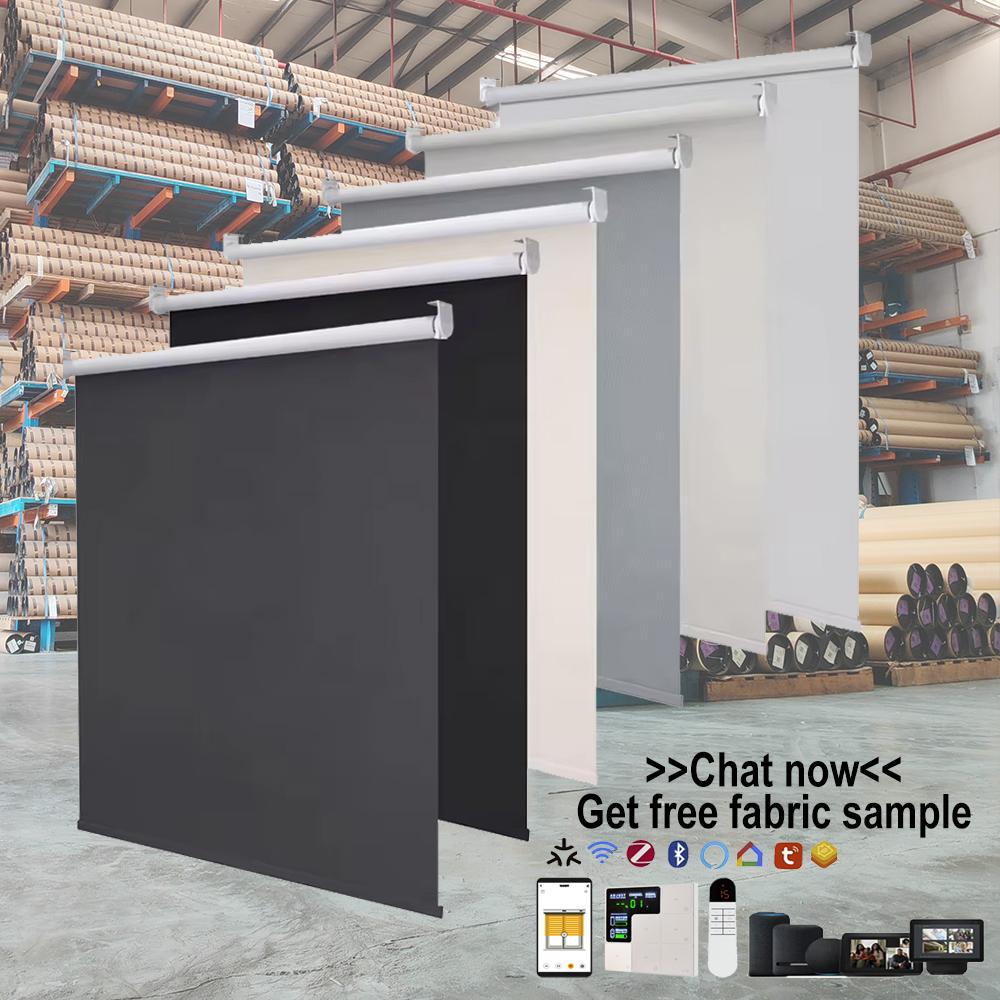
The price difference starts at the yarn level. Commercial-grade fabrics are typically woven from solution-dyed acrylic, high-tenacity polyester, or wool blends with a higher fiber density per square inch. That density translates into more raw material per yard, but it also eliminates the thin spots and uneven stretches that show up after a few months of daily use. A residential fabric might feel soft on day one, only to pill and lose its shape by the end of the first year. Commercial options are engineered to look the same after 50,000 double rubs as they do on the showroom floor, and that kind of consistency costs money before the loom even starts.
Finishing treatments add another layer of expense. Stain resistance, moisture barriers, and flame retardancy are not sprayed on as an afterthought—they are integrated into the fiber or applied through controlled multi-stage processes. For example, a hospitality-grade fabric may go through a fluorocarbon-free soil-release treatment followed by a heat-set cure, which requires specialized equipment and slower line speeds. Residential fabrics often skip these steps or use lighter versions that wash out after a few cleanings. The commercial version has to survive bleach-based disinfectants, UV exposure, and repeated industrial laundering without fading or delaminating.
Finally, the cost of accountability gets baked into the price. Commercial mills run shorter production batches with tighter tolerances, and every lot is tested for abrasion, seam slippage, and colorfastness before it ships. If a fabric fails in a hotel lobby or hospital waiting room, the manufacturer is on the hook for replacement labor—not just the material. That warranty risk, along with the documentation and compliance paperwork, adds overhead that residential suppliers rarely carry. You are not just paying for better cloth; you are prepaying for the absence of a reupholstery bill two years down the road.
Bulk Orders That Still Respect Your Window Measurements
Ordering multiple window treatments often means accepting a one-size-fits-all approach, but it doesn't have to. We keep each panel, shade, or shutter tied to the exact measurements you provide—no rounding up to the nearest standard size or forcing a single width across all openings.
Whether you're outfitting a full house, a rental property, or a commercial space, every unit in your bulk order is cut and finished to match the corresponding window. You can mix sizes, styles, and operation types in one order, and our production team checks each specification against your list before anything goes into cutting.
The result is a consistent look across every room without sacrificing fit. Gaps, light leaks, and awkward overlaps get eliminated because the bulk discount applies to the quantity, not to the precision of the measurements.
Separating Wholesale Partners from Order Takers
A real wholesale partner asks about your sell-through rate before asking about your reorder volume. They track which of their accounts actually move product, not just which ones signed a purchase order. The order taker, by contrast, is happiest when the truck leaves the dock—what happens after that is your problem.
Watch how they handle a slow month. A partner brings you a category-level view: which SKUs are stalling, what the neighboring shelf looks like, why the endcap placement failed. An order taker sends an email asking if you want to repeat last quarter's order. One of those conversations keeps you in business; the other just keeps the lights on for another week.
The easiest test is to ask for a market walkthrough. If they can name three stores where your product is losing facings, and tell you who the buyer's new assistant is, you've got a partner. If they can only quote your own sales numbers back to you, you've got a middleman with a nicer title.
Timing Deliveries Around Your Business Hours
Delivery windows that stop when your doors close save everyone a headache. If your bakery shuts at three, there's little point accepting orders for a five o'clock drop. Aligning drop-off slots with the hours you're actually staffed means you're never stuck waiting after the lights are off.
Most scheduling tools let you set different windows per day. Use that. Keep Friday slots open later if you're restocking for the weekend, and trim Sunday to a narrow midday block. These small tweaks keep the back room from turning into a holding area.
Customers benefit from the clarity too. When they see a delivery option that reflects your real schedule, they can plan around it. And you're not forced to chase a driver who arrived at a locked door.
Extending Shade Life in High-Traffic Settings
The relentless foot traffic in busy public spaces quickly wears down standard shade structures. To push past that early failure point, start by swapping in solution-dyed acrylic fabric—it holds color far longer than coated polyester and resists the constant rubbing from passersby. Reinforce seams and corner joints with double stitching, since those spots take the brunt of tension and incidental contact.
Beyond materials, a short but consistent maintenance routine makes a measurable difference. Wipe down the canopy every two weeks to keep grit from grinding into the weave, and retighten all bolts before they loosen enough to cause flapping. Catching a small tear or a rusting bracket on a Monday morning beats replacing an entire panel after a weekend rush.
For locations that never seem to slow down, think in terms of swappable sections. A modular frame lets you replace only the damaged bay instead of tearing out the whole run. Some operators also rotate shade sails between high- and low-traffic zones, giving the heavily used fabric periodic rest while the backup takes the abuse.
FAQ
Commercial units are built for wider dimensions, heavier use, and often need to meet fire codes or accessibility requirements. You’ll see reinforced brackets, chain or motorized controls instead of thin cords, and fabrics rated for higher UV and abrasion resistance. When buying wholesale, don’t assume a residential-style shade can handle a busy office or restaurant just because the price is lower.
Look for PVC-coated polyester, vinyl-coated fiberglass, or high-density woven polyester with a stain-resistant finish. For lobbies or restaurants, go with something that wipes clean easily and won’t fray at the edges. If the building gets a lot of direct sun, choose a fabric with a high openness factor for glare control but still enough opacity to reduce heat.
Measure each window opening three times—top, middle, bottom—and use the narrowest dimension. Then round up only for windows with non-standard shapes or mounted obstructions. A common mistake is ordering one shade per window when multiple smaller windows sit side by side; sometimes a single wider shade makes more sense and costs less. Get a site plan and mark every opening, then add 5% extra for replacements or future damage.
Ask for a sample swatch and a full spec sheet that includes fire rating, lead time, and warranty terms. Check whether they manufacture in-house or drop-ship from another factory—that affects replacement speed. A reliable supplier will have no issue giving you references from similar commercial projects or a clear return policy for defective units. If they only quote a price per square foot without asking about your building type, that’s a red flag.
It depends on the product line, but typical price breaks start around 50 units and get steeper at 100 or more. You might see 10-20% off list price at moderate volumes, plus lower shipping per shade if they’re palletized together. Motorized shades tend to have smaller discounts because the motor cost stays fixed, but you can still negotiate on brackets and installation hardware.
Ceiling type matters more than people think—concrete, drywall, or drop tile each need different anchors, and some shades can’t mount on certain surfaces without additional brackets. Also check for HVAC vents or sprinkler heads near the window; local codes may require clearance. If you’re replacing old shades, measure the existing brackets rather than the window frame, since new hardware might not line up.
Yes, but the effect is strongest on east- and west-facing windows. Dual roller systems with a reflective outer layer and a dim-out inner layer give you better control over heat gain without losing daylight. In winter, keeping shades open during sunny hours adds passive heat; closing them at night reduces convection loss near the glass. The payback is faster in buildings with high cooling loads and big glazing areas.
Conclusion
A smart wholesale shade purchase begins long before you browse fabric swatches or compare per-unit pricing. The first step is to study the actual rooms where the shades will hang—sun exposure, window dimensions, foot traffic, and how staff use the space throughout the day. This onsite review often reveals that a cheaper residential-style shade will fail quickly in a busy office, clinic, or restaurant. Commercial-grade fabrics may have a higher upfront cost, but their dense weaves, flame retardancy, and reinforced edges are built for daily abuse. Bulk buying does not mean forcing every window into one standard size. Reliable suppliers will take your full measurement list and produce each shade to fit its opening, even when you order fifty or more units. That level of care separates true wholesale partners from simple order takers who just push inventory.
Delivery timing deserves as much attention as product quality. Ask whether the supplier can schedule drop-offs before opening hours or during low-activity periods, so your team does not juggle boxes while customers are present. Once the shades are installed, their lifespan depends heavily on how they are cleaned and operated. In high-traffic settings, specify cordless or motorized lift systems to reduce strain on moving parts, and choose fabrics with soil-resistant coatings that wipe down easily. A practical wholesale strategy looks beyond the invoice total: it weighs room-level needs, fabric durability, accurate sizing, supplier responsiveness, and long-term maintenance. Businesses that follow this path end up with shades that look professional and last, rather than a warehouse full of mismatched or fragile panels that need replacing within a year.
Contact Us
Contact Person: Vivien Cheng
Email: [email protected]
Tel/WhatsApp: +86 13751758835
Website: https://www.rollergytech.com/