

Commercial Heat Pump System Solutions That Maximize Energy Savings
2026-10-30
What if your building could cut energy costs dramatically while keeping every zone perfectly comfortable? Commercial heat pump systems are rewriting the rules of efficiency, and Tongbaote is at the forefront with solutions that maximize energy savings without compromise. In this post, we’ll explore how the right heat pump strategy turns wasted energy into measurable ROI.
The Real Reason Commercial Buildings Overspend on Heating and Cooling
Most commercial buildings don’t overspend because their HVAC equipment is inefficient. The real culprit is how the system runs day to day. Setpoints get nudged by occupants, sensors drift out of calibration, and schedules fall out of sync with actual occupancy. These small, unnoticed changes stack up, forcing chillers and boilers to work against each other or run full tilt in empty zones.
Another overlooked factor is zone-level control. A building may have a modern building automation system, but if the VAV boxes, dampers, and thermostats aren’t communicating correctly, the central plant ends up overproducing. One stuck damper or a poorly placed temperature sensor can drive a whole floor’s energy use up by 20 percent without anyone noticing.
The fix isn’t always a major retrofit. It’s often a matter of recommissioning the existing controls, recalibrating sensors, and giving facility managers better visibility into real-time performance. Buildings that treat HVAC as a dynamic system rather than a set-and-forget utility consistently spend less, not because they bought better equipment, but because they stopped letting small faults drain money.
Heat Pump Configurations That Match the Way Your Facility Actually Runs
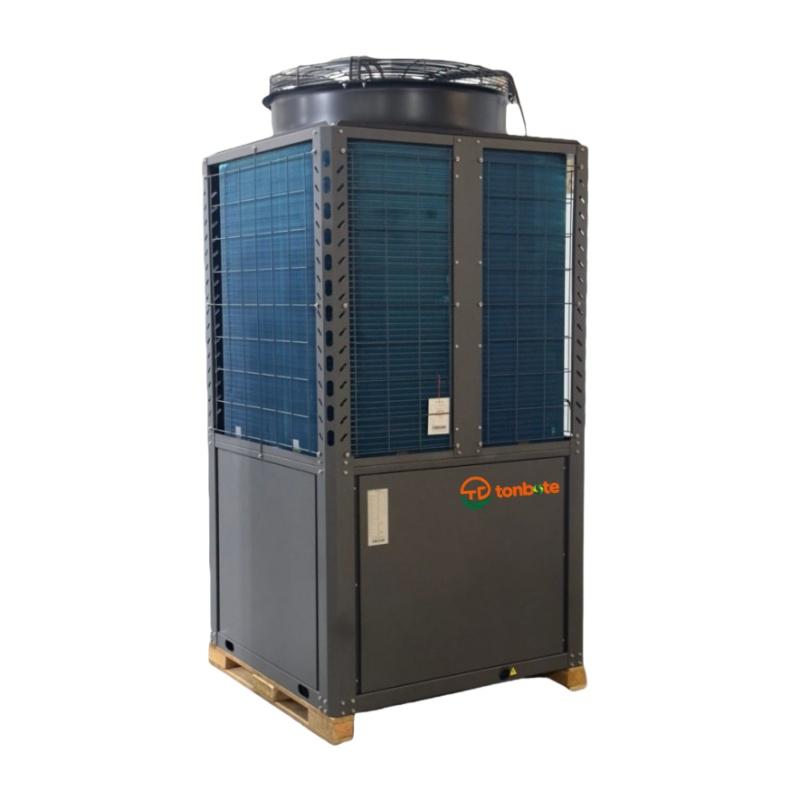
Heat pumps rarely run at the single design condition printed on a spec sheet. A facility’s actual load profile shifts constantly—morning warm-up, midday occupancy spikes, weekend setbacks, and partial-zone demand all move the needle in ways that a fixed-capacity unit can’t follow. Matching configuration to real-world operation means looking past nominal ratings and asking how the machine behaves at 30% load, how it stages compressors, and whether it can share capacity across multiple indoor units without short-cycling or wasting energy.
Modular configurations often fit better than one oversized central unit. Two or three smaller heat pumps piped in parallel can rotate lead and lag roles, so no single compressor hammers away at full tilt during mild weather. Variable-speed compressors with inverter drives go further: they trim output to match the building’s thermal inertia, holding a gentle curve instead of bouncing between full blast and off. Some facilities pair water-source heat pumps with a common loop, letting one zone reject heat while another absorbs it—an arrangement that mirrors how different spaces actually load up at different times of day.
Controls are the quiet hero here. A properly configured heat pump listens to return-air sensors, occupancy schedules, and even CO2 levels, then adjusts refrigerant flow and fan speed accordingly. Installers who take the time to map out real duty cycles—not just worst-case heating and cooling days—end up with systems that run longer at low output, keep humidity in check, and avoid the wear that comes from constant cycling. That’s the difference between a heat pump that looks good on paper and one that operates like it belongs in the building.
Why Retrofits Often Outperform New Installations in Energy Savings
Retrofitting an existing system starts with a clear advantage: the building's operational data. Years of utility bills, temperature logs, and equipment runtime patterns show exactly where energy is being wasted. A retrofit can zero in on those leaks, oversized fans, or poorly sequenced chillers, and fix them one by one. New installations, on the other hand, are often designed around theoretical loads or code minimums, not the messy reality of how a space is actually used. That mismatch means the savings promised on paper rarely materialize once the new equipment is running.
Another reason retrofits win is that they work within the existing infrastructure instead of replacing it. A controls upgrade, a variable frequency drive, or a better heat exchanger can unlock efficiency that was already latent in the plant. Because the system's capacity is already matched to the building's demands, you are fine-tuning rather than starting from scratch. New installations frequently come with oversizing, safety factors, and integration losses during the first year of operation, all of which erode the headline efficiency numbers.
Finally, retrofits deliver savings without the energy penalty of manufacturing and transporting new equipment. The embodied energy of a new chiller, boiler, or air handling unit can be substantial, and it takes years of operation to offset that initial carbon debt. Retrofits also avoid the months of construction disruption and temporary heating or cooling that often accompany a full replacement. When you measure total energy impact from the day the project starts, a well-executed retrofit usually comes out ahead.
Control Sequences That Keep Efficiency High During Partial Loads
Modern chillers and heat pumps no longer rely on simple on/off cycling when the building load drops. Instead, the controller tracks leaving chilled water or evaporator pressure in real time and adjusts compressor speed or stages compressors in small increments. A variable speed drive can hold a compressor at 15% to 20% of its full capacity without short cycling, which keeps the refrigerant flow balanced against the actual demand. This fine-grained matching prevents the energy waste and temperature swings that come from oversized equipment operating at a fixed output.
The electronic expansion valve works in tandem with the compressor signal to keep the evaporator superheat tight during low load. At the same time, the condenser fan speed or water flow is pulled back so the head pressure stays just high enough for proper refrigerant metering. Running fans at lower speeds not only saves fan energy but also keeps the compressor from working against an unnecessarily high pressure ratio. This coordinated response across the valve, fan, and compressor is what separates a basic part-load curve from a truly optimized sequence.
Some controllers add a predictive layer on top of these immediate adjustments. They monitor how the building load changes over the course of a morning or afternoon and pre-position the setpoints before the load arrives. For example, a chiller might ramp up subtly before a scheduled occupancy spike, rather than reacting after the fact with a sudden surge. By treating part-load operation as a continuous condition rather than an exception, the control sequence squeezes out inefficiencies that fixed-speed logic would leave behind.
What a 10-Year Operating Cost Comparison Really Shows
The upfront price gets all the attention, but it is the least honest number in the room. Stretch the comparison to ten years and energy consumption, replacement cycles, and routine upkeep start telling a different story. A unit that draws 15 percent less power may cost more on day one, yet by the sixth year the savings have swallowed the premium—and they keep compounding long after the purchase is forgotten.
Service labor is the quiet budget-killer. Some machines need proprietary cartridges, firmware updates, or certified technicians just to stay functional. Others run for months on generic consumables and a quick wipe-down. Ten years of those small differences turns a $200 annual fee into real money, and it turns a "bargain" into a slow leak.
Reliability also rewrites the scoreboard. Unplanned downtime, rush-shipped parts, and early retirement are operating costs too, even if they never appear on the invoice. A long-term comparison makes the pattern obvious: the cheapest machine to run is rarely the cheapest to buy. It is the one that quietly does its job without demanding attention.
Simple Commissioning Steps That Prevent Silent Efficiency Loss
A surprising share of newly installed building systems never operate at their designed efficiency, and the gap rarely announces itself. Pumps, fans, and air handlers often run with default setpoints, uncalibrated sensors, or bypassed controls that quietly inflate energy use. A short commissioning checklist—verifying sensor placement, checking valve stroke, and confirming control sequence logic—can catch these issues before they become permanent habits.
One of the most effective early checks is to compare actual operating data against the design narrative under partial load. Many systems are tuned only for peak conditions, leaving them to waste energy every ordinary afternoon. Adjusting minimum airflow, resetting chilled water temperatures, and confirming economizer dampers actually open at the right outdoor air conditions are small steps with outsized impact.
Finally, document the values you find and the changes you make. A simple log of setpoints, actuator positions, and sensor readings gives future technicians a baseline that prevents drift from undoing your work. Commissioning isn’t a one-time event; it’s a set of habits that keep efficiency from slipping away without a warning.
FAQ
They move heat rather than generate it, so a well-designed system can deliver 3-4 units of heat per unit of electricity. With inverter-driven compressors and smart defrost logic, they also avoid the short-cycling and oversizing losses common in fixed-speed equipment.
Buildings with simultaneous heating and cooling loads like hotels, hospitals, and laboratories often benefit most, because a heat recovery chiller or multi-pipe heat pump can move heat from cooling zones to heating zones instead of rejecting it outdoors.
Yes, pay attention to low-temperature hot water design, buffer tank sizing, and weather-compensated controls. Also consider using waste heat from refrigeration or process cooling as a heat source instead of outdoor air.
Track coefficient of performance (COP) on a monthly basis using thermal energy meters and electrical submeters. Compare actual heating degree-day performance against the design model, and have a commissioning provider review operating trends for unexpected runtime or auxiliary heat use.
Refrigerant choice affects both efficiency and operating range. For example, CO2 heat pumps work well for high-temperature domestic hot water, while low-GWP options like R-290 or R-454B can improve cycle efficiency in appropriate applications.
Modern cold-climate air-source heat pumps can operate below minus 20 degrees Fahrenheit with supplemental electric or hydronic backup. The key is sizing for the balance point and incorporating thermal storage so the system avoids inefficient resistance heating during peak demand.
Many utilities offer custom performance incentives based on measured kW or kWh savings, and some regions have accelerated depreciation or tax credits for electrification. But it is best to start with a feasibility study that accounts for existing fuel costs and load profiles.
Conclusion
Most commercial facilities don't overspend on heating and cooling because their equipment is inefficient—they overspend because the system was never matched to actual operating patterns. A heat pump array sized for peak design conditions will short-cycle through most of the year, wasting energy during mild mornings and partial occupancy. The smarter approach starts with examining load profiles hour by hour, then choosing modular configurations that can stage compressors or switch between heating and cooling zones without forcing the entire plant to run. Retrofit projects often expose this truth more clearly than new construction: existing buildings have years of utility data and occupant complaints that point to where the old system failed, and a well-planned heat pump retrofit can cut energy use by 30% or more simply by removing oversizing and reusing existing piping where it makes sense.
High efficiency at full load rarely matters if the system stumbles during the 80% of hours when the building is at part load. Control sequences that reset supply water temperature based on outdoor conditions, stage compressors with minimum runtime logic, and coordinate variable-speed pumps keep heat pumps operating near their best efficiency instead of cycling on and off. Over a decade, those small differences compound: a modest improvement in part-load COP can save tens of thousands of dollars compared with a system that wins on paper at full load but loses every afternoon. The final piece is commissioning—not just at startup, but ongoing. Checking refrigerant charge, verifying sensor placement, and confirming that isolation valves open fully during shoulder seasons prevents the silent drift that erodes savings without any visible failure.
Contact Us
Contact Person: Wanshu Chen
Email: [email protected]
Tel/WhatsApp: +86-13662871206
Website: https://www.mbcee.com