

China Rotary Valve: Key Insights for Industrial Applications
2026-11-02
Rotary valves are the unsung workhorses of material handling, yet sourcing them from China often feels like a gamble. This post pulls back the curtain on what separates a reliable unit from a costly mistake in industrial settings. We’ll explore key insights—covering wear resistance, airlock efficiency, and installation pitfalls—that most suppliers won’t volunteer. Along the way, you’ll see how AVM applies these principles to deliver valves that hold up under real-world demands.
What Chinese rotary valve makers get right about abrasive material handling
Abrasive powders chew through ordinary valves in months, yet Chinese manufacturers have quietly solved this by treating rotor clearance as a living variable rather than a fixed spec. Instead of relying on generic tolerances, they match the gap between rotor tips and housing walls to the specific particle size distribution and hardness of the material being handled. Shops that process silica sand or alumina get valves with deliberately wider clearances and hardened wear strips, while those moving softer abrasives receive tighter setups that prioritize sealing. This on-the-fly calibration prevents the two most common failure modes: jammed rotors from swelling or fine dust leaking past worn edges.
The material choices also reflect a hands-on understanding of abrasive wear patterns. Chinese valve bodies frequently use Ni-hard cast iron or ceramic-coated rotors, but the real difference lies in how these materials are combined. Where Western designs often default to a single wear-resistant alloy for everything, Chinese builders mix substrates strategically, putting tungsten carbide in high-velocity impact zones and rubber or polyurethane liners where particles slide rather than strike. The result is a valve that degrades predictably, with wear concentrated in replaceable components that can be swapped during a short shutdown instead of demanding a full rebuild.
Finally, the emphasis on simple, field-serviceable construction gives these valves an edge in harsh environments. Rather than packing in sensors or complex sealing systems that fail under constant grit exposure, Chinese rotary valves stick to robust bearing outboards, externally adjustable packing glands, and rotor designs that can be pulled without disturbing upstream piping. This utilitarian approach resonates with plant operators who would rather spend ten minutes greasing a bearing than recalibrating an electronic actuator. It is not about cutting corners; it is about recognizing that reliability under abrasion comes from minimizing the number of things that can go wrong.
Rotor clearance, blow-by, and the real cost of ignoring small gaps
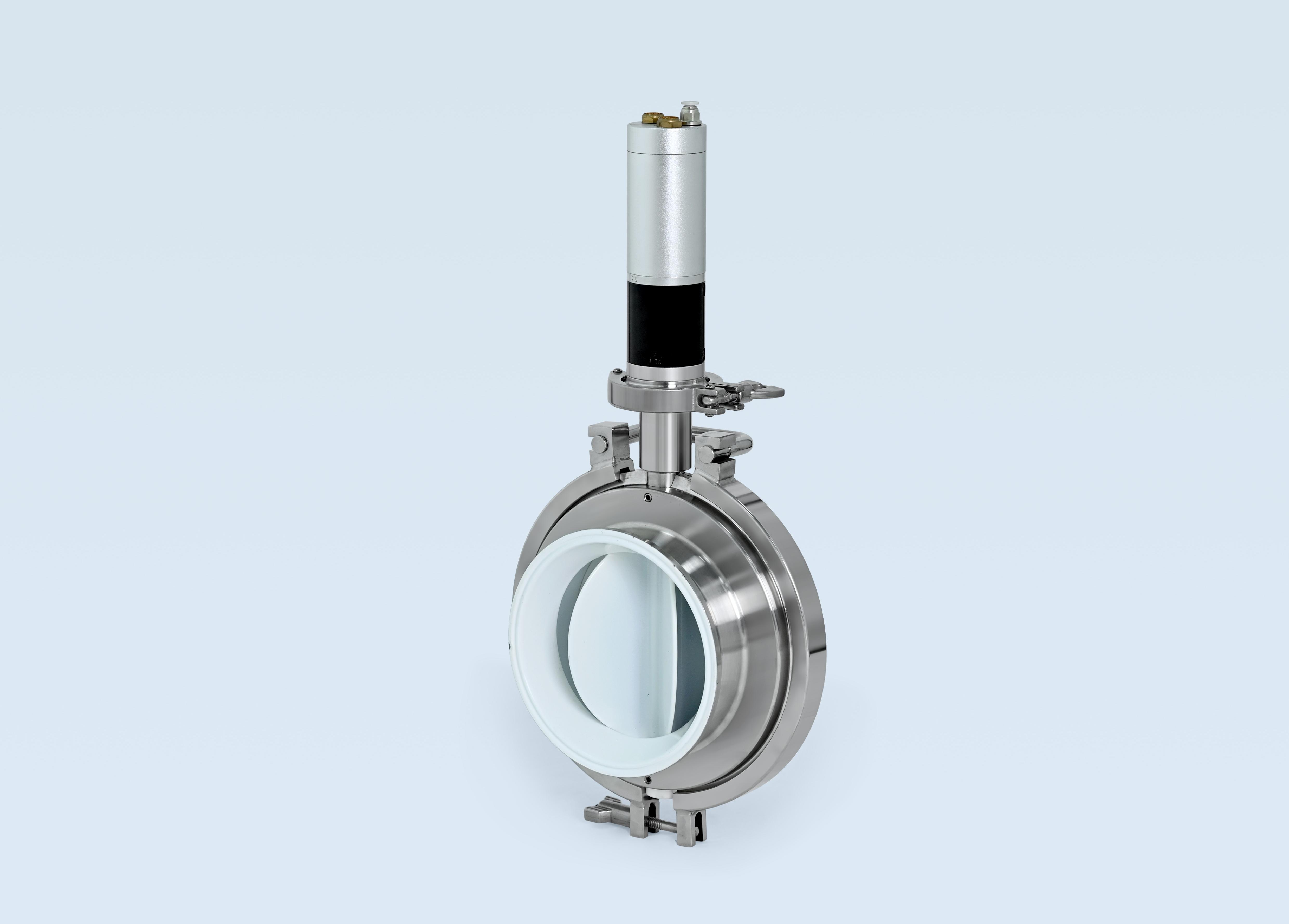
A rotor that clears its housing by a few thousandths of an inch can pass a static inspection and still bleed pressure once the machine reaches operating temperature. Thermal growth never affects the rotor and casing equally, so a gap that measures tight on the bench often opens up under load. Blow-by through that opening isn't just lost flow; it represents energy already spent compressing gas or air that then slips back to the low-pressure side without doing any useful work.
Over time, blow-by gas carries heat and fine particulates into seal cavities and bearing areas. Oil films thin out, seal faces score, and the original clearance erodes slightly wider. This creates a feedback loop: a larger gap allows more blow-by, which raises temperatures further, which distorts clearances even more. The machine may run for months with no obvious vibration or noise, all while efficiency drops a few points and discharge temperatures climb above design limits.
Those small losses rarely show up as a single dramatic failure. Instead they appear as rising energy bills, shorter oil change intervals, and seals that need replacing twice as often as expected. If the clearance is never corrected, the rotor tips may eventually contact the housing during a hot restart, turning a minor adjustment into a major overhaul. Measuring rotor clearance at each scheduled shutdown costs a fraction of what operators pay for the accumulated waste of ignoring it.
Material and coating decisions that separate a durable rotary valve from a short-lived one
The base metal sets the outer limits of what a rotary valve can survive. A cast iron body might look sturdy on the shelf, but in a humid powder line it becomes a pitted, scaly liability within months. Stainless steel grades like 316 hold up far better against moisture and mild acids, yet they still wear fast when handling abrasive minerals or glass-filled resins. Choosing the wrong alloy from the start forces operators into a cycle of patching, polishing, and premature replacement.
Coating choices make an equally sharp dividing line. Hard chrome has been the old standard for rotor tips and housing bores, but it cracks under impact and flakes off in thin shavings. Tungsten carbide and ceramic coatings, applied by HVOF or plasma spray, give a much harder surface that keeps tolerances tight for years instead of months. The tradeoff is cost and the need for a shop that knows how to grind these coatings without causing micro-fractures. Done right, the coating becomes the valve's main line of defense.
The real separator between long service life and early failure is matching the coating system to the actual powder. A valve moving fine silica demands a different approach than one feeding sticky, mildly corrosive ingredients. Many plants run a short trial with coated coupons inside the line to compare wear patterns before committing to a full rebuild. That simple step catches mismatches early and avoids the expensive mistake of installing a premium coating on the wrong substrate.
Extending service life in high-temperature and high-wear environments without overengineering
The instinct to extend component life under extreme heat and wear often leads to overbuilding—thicker sections, more exotic alloys, redundant cooling. Yet these choices bring weight penalties, higher costs, and unexpected stress concentrations. A more focused path starts with mapping the actual failure modes. In many high-temperature sliding or erosive applications, surface degradation dominates. A thin tungsten carbide overlay or a graded ceramic coating applied only where wear is concentrated can double service intervals without rewriting the entire design.
Geometry and thermal compliance offer another lever. Small changes in contact profile, such as crowning a shaft or adding a relief groove, redistribute stress and lower peak temperatures. In cyclic hot environments, constrained expansion often kills parts long before abrasion does. Designing joints that can flex or using intermediate layers with matched expansion coefficients prevents cracking without moving to a heavier material family. These adjustments require simulation and field feedback, but they avoid the complexity of overengineered systems.
Finally, extending life does not always mean designing for zero wear. Predictable, monitored wear can be managed through scheduled replacement of inexpensive wear plates or inserts. By isolating sacrificial surfaces and pairing them with simple thermal barriers, you gain the benefits of long service life while keeping the core structure light and repairable. The result is a system that survives harsh conditions because it is thoughtfully constrained, not because it is overbuilt.
How custom rotary valves from China are redrawing procurement timelines and expectations
Procurement teams used to accept that a rotary valve with specific rotor clearances or wear-resistant liners meant six to nine months of waiting, multiple drawing approvals, and a final product that still felt like a compromise. Custom rotary valve makers in China are now collapsing that timeline by keeping semi-finished castings and common gearbox assemblies in stock, letting buyers adjust flange dimensions, blade angles, or coating choices late in the process without restarting production from zero.
The bigger change is in how engineers approach prototypes. Instead of paying for one expensive pilot unit and hoping it works across a full material range, they can order small batches of three or five valves with slight variations in rotor tip speed or inlet geometry, then test them on actual powder or granule lines within a few weeks. This makes procurement feel less like a one-time gamble and more like an iterative tuning process, where the supplier's production cell can switch tooling overnight.
As a result, buyers are rewriting their inventory rules. Many no longer stock a year's worth of standard rotary valves for every line; they order smaller custom lots tied to specific conveying tasks and rely on direct chats with factory engineers to resolve fit or wear issues before they become downtime. The expectation is no longer just a lower unit price, but a shorter feedback loop between a plant problem and a tailored valve arriving on the dock.
The maintenance routines plants skip that quietly destroy rotary valve performance
Rotary valves often fail long before their rated lifespan, not because of a single catastrophic event, but through the slow erosion of small neglected habits. The routine that gets skipped most frequently is checking rotor tip clearance. When operators defer this simple shim and feeler gauge inspection, material begins to bypass the valve, pressure differentials drift, and the system compensates by running harder—quietly accelerating wear on bearings and seals until a full rebuild is the only option.
Another overlooked routine is verifying air purge alignment and pressure. A slight misalignment or a drop in purge air allows fine particles to work their way into shaft seals and end plates. What starts as a faint dusting on the floor near the valve becomes a packed, abrasive paste that grinds away at internals. Because the valve still turns, maintenance logs show no issue, yet performance degrades week by week until throughput numbers force an unplanned shutdown.
Finally, plants often skip lubrication of the drive chain and gearbox on a schedule that matches actual operating hours. Waiting for a visible leak or an audible squeal means the damage is already done. Chains stretch unevenly, sprockets wear into a hooked profile, and gearboxes run hot. These are not dramatic failures; they are the quiet thieves of rotary valve performance, stealing efficiency one skipped maintenance window at a time.
FAQ
Chinese manufacturers now pair competitive pricing with tighter machining tolerances and more flexible customization. Many units come with wear-resistant coatings, adjustable rotor tips, and various seal options, making them a practical fit for abrasive or cohesive materials.
Material density, particle size, moisture content, and abrasiveness matter most. Reputable suppliers will ask for bulk density and flow characteristics before recommending rotor type, clearance, and housing materials—some even offer test chambers for difficult powders.
Open-end, closed-end, and adjustable-tip rotors all behave differently. Closed-end rotors reduce air leakage in pneumatic conveying, while open-end rotors better suit sticky or fibrous materials. Chinese factories often produce multiple rotor geometries to match pressure differentials and fill efficiency.
They are common in cement, chemical processing, plastics compounding, food and beverage, biomass, and dust collection systems. Each sector drives different requirements—such as pressure resistance in dense-phase conveying or sanitary finishes in food plants.
Rotor-to-housing contact, worn seals, and bearing dust ingress are typical. Regular clearance checks and timely replacement of wear strips or blades keep performance stable. Some local manufacturers offer quick-turnaround spare parts, which reduces downtime.
Yes, but only if the supplier provides certified components and grounding provisions. Many factories now build models with anti-static clearances, flameproof motors, and documented material certificates, though buyers should confirm certification before ordering.
Chinese suppliers generally offer lower unit costs and faster customization, sometimes with 4–8 week lead times. However, complex designs with exotic alloys or proprietary coatings can narrow the price gap, so total lifecycle cost matters more than the initial quote.
There is a shift toward smart monitoring, with rotor speed sensors and temperature probes becoming optional. More factories also invest in robotic polishing for food-grade surfaces and adopt modular designs that simplify reconfiguration across production lines.
Conclusion
China's rotary valve manufacturers have earned a reputation for handling abrasive powders and granules with practical, no-nonsense engineering. Rather than relying on exotic materials, they often combine hardened rotors, adjustable tips, and wear-resistant liners that keep material moving without rapid degradation. Yet the real edge comes from obsessing over small details like rotor clearance and blow-by. These minor gaps might seem trivial, but they quietly drive efficiency losses, product contamination, and premature wear. A valve that holds tight clearances under thermal expansion and pressure swings pays for itself quickly. Material and coating decisions follow the same logic: a well-chosen hard chrome or tungsten carbide coating on a standard body frequently outlasts a costly upgrade to exotic alloys. This balance between durability and pragmatism is what separates valves that survive harsh service from those replaced every few months.
High-temperature and high-wear environments don't automatically call for overengineered, oversized equipment. Instead, Chinese suppliers focus on strategic upgrades—shaft sealing, bearing isolation, or rotor tip materials—that extend service life without inflating cost. Customization has also redrawn procurement timelines: lead times that once stretched for months are now compressed, with modular designs and responsive engineering support. But even the best valve underperforms if basic maintenance is ignored. Plants frequently skip rotor tip inspection, packing adjustment, and clearance checks, which quietly destroys performance. A disciplined routine—checking wear patterns, verifying air purge pressure, and lubricating bearings—adds years to service life. The real insight is that rotary valve performance isn't just about the initial purchase; it's about matching the right design to the material, understanding failure modes, and maintaining the small details that keep bulk handling systems running.
Contact Us
Contact Person: Ananda
Email: [email protected]
Tel/WhatsApp: 8619016718200
Website: https://www.wzaomi.com