

China River Channel Dredging Dealer: Key Considerations for Reliable Waterway Equipment
2026-10-21
Choosing the right dredging equipment for China's river channels can make or break your project. Before you commit to a dealer, several critical factors demand attention—sediment handling capacity, wear resistance, and whether the supplier offers responsive after-sales support. Not all vendors deliver the same level of reliability, and overlooking these details often leads to costly downtime. Partnering with a trusted manufacturer like YaKai Dredger ensures you get machinery built for demanding waterway conditions. In this post, we break down the key considerations that separate dependable equipment from short-term fixes.
Matching Dredger Type to Specific Channel Conditions
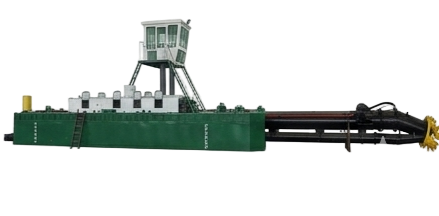
Selecting the right dredger for a channel isn't just about power or capacity—it's about how the machine interacts with the waterway's unique profile. A cutter suction dredger, for instance, excels in compacted soils and hard strata where its rotating cutter head can break up material before pumping, but it typically requires spud piles or anchors, which may be impractical in narrow channels with heavy traffic. Trailing suction hopper dredgers, by contrast, work best in open, deeper waters where they can manoeuvre freely and dispose of spoil at sea or designated areas, but their efficiency drops sharply in very shallow or debris-laden sections. Matching the dredger to the channel means weighing these operational constraints against the actual bed composition, current strength, and available working width.
Channel geometry often dictates whether a stationary or self-propelled dredger is feasible. In winding rivers or approach channels with sharp bends, a backhoe dredger mounted on a pontoon can offer pinpoint accuracy for spot dredging around bridge piers or lock entrances, yet its production rate is limited by barge cycles. On the other hand, a bucket ladder dredger might handle mixed materials like clay with occasional boulders, but it demands a stable platform and calm water, making it a poor fit for coastal inlets exposed to swell. The key is to map out the sediment profile along the entire length of the channel—soft silt zones may only need a water injection dredger to fluidize and move material by natural currents, while rock outcrops require a cutter with heavy-duty teeth and high torque.
Beyond soil and shape, disposal logistics often tip the balance. If the dredged material needs to be pumped several kilometres to a reclamation site, a trailing suction hopper dredger with a large hopper and long discharge pipeline might be the only practical choice, even if a smaller cutter could dig the same volume. Conversely, for maintenance dredging of a port basin with frequent shipping movements, a small, agile water injection dredger can operate without blocking the fairway, whereas a large stationary dredger would cause unacceptable delays. Ultimately, matching dredger type to channel conditions is an iterative process—field surveys, geotechnical boring data, and real-time current measurements all feed into a decision that balances production efficiency against environmental and navigational constraints.
How to Verify a Dealer's Track Record Without Guesswork
Start by pulling the dealer's license number and running it through your state or provincial regulator. Most agencies keep a public database of complaints, disciplinary actions, and bond claims. A clean sheet over several years says more than a hundred online reviews. If a dealer isn't licensed, that's your answer—no further digging needed.
Ask for three recent buyers who purchased similar inventory and actually call them. Don't settle for written testimonials; live conversations reveal hesitation, unresolved issues, or patterns like delayed titles or hidden fees. Also request a copy of a recent bill of sale with the buyer's contact info redacted—real paperwork proves real transactions.
Finally, cross-check the dealer's claimed sales volume against auction records or floorplan lenders if you can. A dealer who says they move fifty cars a month but has no corresponding auction history or flooring line is either exaggerating or laundering reputation. Bank references can also confirm how long their business account has been open and whether it stays in good standing.
Hidden Costs That Surface After Purchase
The sticker price is rarely the final word. Once the initial excitement fades, a quiet parade of overlooked expenses begins to march in—things like specialized maintenance, proprietary accessories, or subscription fees that were buried in the fine print. These aren't dramatic surprises; they're the small, persistent leaks that slowly drain your budget and make you question the wisdom of the deal.
Consider the everyday items that suddenly demand premium care. A “bargain” printer reveals it only works with expensive ink cartridges. A discounted smart device turns out to require a monthly cloud plan to access basic features. Even furniture can hide costs in delivery, assembly, or the need for non-standard hardware. These post-purchase add-ons rarely appear in the advertised price, yet they quickly become unavoidable parts of ownership.
The real trap is how these costs blur into normalcy. You start budgeting for them each month, almost forgetting they weren't part of the original plan. The trick is to ask one question before buying: what will this thing demand from me six months from now? That simple shift in thinking often separates a true bargain from a hidden money pit.
Why Local Maintenance Support Outweighs a Lower Price
Paying a bit more for equipment or services that include local maintenance support often feels like an unnecessary expense until something actually breaks. When a machine goes down, every hour of downtime eats into revenue, and a remote support line can only do so much. A local technician can be on-site within a few hours, diagnose the problem with hands-on access, and often fix it on the spot because they carry common spare parts. That speed is hard to put a price on, especially when the alternative is waiting days for a shipped replacement or coordinating with someone who has never seen your setup in person.
Local support also brings a level of accountability that a low-cost, distant vendor rarely matches. A maintenance provider that operates in your area has a reputation to protect, which means they are more likely to follow through on promises and fix issues correctly the first time. They get to know your equipment, your facility layout, and your operational quirks, allowing them to spot potential failures before they turn into full-blown breakdowns. A cheaper price tag often means you are left navigating warranty claims and remote diagnostics on your own after the sale.
The real comparison is not just the initial invoice but the total cost of ownership. A lower upfront price can be wiped out by a single extended outage, lost production, or the expense of emergency repairs from an unfamiliar contractor. Local maintenance support provides continuity and peace of mind, keeping your operation running instead of waiting for a callback from a call center in another time zone. In the long run, having a reliable partner nearby is worth far more than the few percentage points you might save by going with the cheapest option.
Reading Between the Lines of Equipment Specifications
Manufacturers love to lead with headline numbers, but those figures rarely survive contact with a real job site. Peak horsepower gets quoted at a specific RPM and fuel temperature that you may never see on a Tuesday afternoon. Digging depth on an excavator can shift by several inches once you factor in bucket pivot points and a less-than-perfect pad. The first thing to check is the fine print next to any asterisk: operating weight often assumes an empty tank, no operator, and zero attachments. If a spec seems too clean, it probably is.
Another layer to peel back is the testing standard itself. Two machines can both claim 20 tons of breakout force, but one is measured at the bucket teeth while the other is at the cylinder. That gap is not marketing spin—it is a completely different measurement location. Lift capacity charts are often plotted with the load centered and the machine stationary on level concrete. Add a slight slope or an uneven load, and the real number drops. Ask for the derating curves and the conditions behind each figure. A spec sheet tells you what a machine might do on its best day; the assumptions tell you what it will do on yours.
Seasonal Demand and Lead Times Most Buyers Overlook
Many purchasing teams still treat seasonal spikes as surprises, despite historical data sitting in their own ERP. A toy importer, for example, might place orders in September for a December rush, forgetting that factories in certain regions shut down for weeks over local holidays. The result: air freight costs eat the margin, or shelves sit empty during the only weeks that matter.
Lead times are rarely what the supplier quotes on paper. They don't include the time your design team takes to approve a pre-production sample, or the delay when a container gets rolled at a transshipment port. Smart buyers build a "realistic lead time" that adds at least 20–30% to factory promises, then work backward from the actual sell-by date, not the first day of the season.
The most overlooked part is demand variability within the season. A product that sells steadily in spring may triple in a specific six-week window. Buyers who only use average monthly sales to forecast end up overstocked in slow months and understocked during the peak. A better approach is to pull weekly sell-through data from the previous two years, overlay it with marketing push dates, and then pad the earliest order dates by an extra buffer for supplier mishaps.
FAQ
Check whether the dealer has direct access to factory records, previous project references, and a physical inspection option. Ask for a full maintenance history and recent operation videos instead of relying on polished brochure photos. A reliable dealer will also be transparent about the machine’s previous working conditions, especially if it operated in abrasive or saline water.
Request a live video walkaround that shows the engine hours, pump wear, and cutter head condition in one continuous shot. If possible, arrange a third-party inspection through a local marine surveyor before payment. Pay attention to weld repairs on the hull and whether the suction pipe shows uneven wear patterns.
The discharge distance, maximum dredging depth, and solid particle size capacity usually matter more than nominal output alone. For shallow rivers, a compact cutter suction dredger with a swing winch system can be easier to position than a large trailing hopper. Confirm that the pump material matches the sediment type, as sand and silt require different impeller clearances.
The dealer should offer clear guidance on spare part codes, wear part replacement intervals, and remote troubleshooting access. A good dealer will ship common consumables in the same container as the dredger to reduce downtime. Ask whether they have an English-speaking engineer who can guide your crew through the first assembly and commissioning.
Risk can be managed if you combine independent inspection, a clear contract, and staged payments tied to delivery milestones. Avoid paying the full amount before the machine is loaded and all documentation matches the agreed specifications. Use a trade assurance or letter of credit system and ask for the vessel’s export records if it is used equipment.
They often focus too much on the lowest price and ignore the cost of downtime from undersized pumps or weak hull steel. Another mistake is not confirming the actual working hours on the engine and dredge pump. Request photos of the hour meters and compare them with service logs before negotiating the final price.
Rivers with heavy clay need a dredger with stronger cutter torque and a different tooth arrangement than sandy channels. For rocky or compacted beds, you may need a jetting ring or a bucket wheel instead of a standard cutter head. A capable dealer will ask about your sediment samples and water flow speed before recommending a configuration.
Conclusion
Finding a dependable river channel dredging dealer in China rarely comes down to the lowest sticker price. The first step is matching the dredger's actual working design—cutter suction, jet suction, or amphibious—to the sediment type, water depth, and bank accessibility of the channels you maintain. A dealer who pushes one model for every job should raise immediate doubts. Equally important is checking what past buyers actually say, not just the polished case studies. Ask for contactable references, look for repeat contracts with the same operators, and watch for vague answers about delivery dates or warranty terms. Many buyers only discover after signing that spare wear parts, transport to remote sites, or even the required crew training were never included in the quote.
Local maintenance capability is where a supposedly cheap purchase can turn expensive. If the dealer has no service team within reach of your waterways, even minor hydraulic or engine issues can idle a dredger for weeks. Before comparing specifications, learn what the numbers omit: a higher pump flow may mean little if the engine is already at its torque limit, and hull plate thickness often varies between quoted and delivered units. Seasonal pressure is another overlooked factor—demand spikes before flood season and around year-end budget cycles, so lead times can stretch silently from six weeks to four months. A solid dealer will be upfront about current backlog and give you a written production slot, not just a hopeful estimate.
Contact Us
Contact Person: Nancy
Email: [email protected]
Tel/WhatsApp: (+86) 13869631558
Website: https://www.yakaidredger.com/