

China Dust Suppressant: Innovative Solutions for a Cleaner Environment
2026-07-18
Dust is more than a nuisance—it's a silent enemy to our health, infrastructure, and environment. In China, where rapid development meets diverse climates, controlling airborne particles is a pressing challenge. Enter innovative dust suppressant solutions that don't just settle dust but transform how industries approach cleanliness. At the forefront, MST offers cutting-edge formulations that are reshaping dust control, from construction sites to mining operations. Curious about how these eco-friendly agents are paving the way for a cleaner future? Let's uncover the science and strategy behind effective dust suppression.
Rethinking Dust Control: China’s Quiet Revolution in Clean Air
For decades, the battle against airborne dust in China was fought with brute-force measures—dousing construction sites with water trucks and blanketing coal piles under tarps. These tactics offered fleeting relief, often washing pollutants into waterways or simply postponing the inevitable plume of particles. The nation’s rapid industrialization had outpaced its ability to manage the fine dust that hung in the air, seeping into lungs and clotting the skyline of cities like Beijing and Shijiazhuang. It was a reactive cycle, one that treated symptoms rather than the root causes of a deepening environmental crisis.
The shift came not through a single sweeping policy, but through a mosaic of localized experiments that coalesced into a new philosophy. Engineers began embedding dust suppression into the very fabric of urban development: permeable pavements that capture particulates, vegetation barriers designed to trap dust at known roadside hotspots, and real-time sensor networks that trigger automated misting systems only when particulate levels breach a threshold. In port cities, loading docks were enclosed and equipped with vacuum systems that siphon off coal dust before it ever meets the open air. Much of this innovation emerged from collaborations between university labs, municipal governments, and construction firms, often driven by a generation of scientists who saw dust not as an inevitable byproduct of progress, but as a failure of design.
What makes this quiet revolution remarkable is its invisibility—both to international observers and to the local population that breathes easier without fully understanding why. Gone are the days of sporadic, visible water showers replaced by a persistent, unspoken infrastructure that works around the clock. The declining particulate matter readings in formerly smog-choked cities are the only headlines, while the true story is written into the soil-stabilizing polymers sprayed on unpaved roads, the electrostatic dust precipitators humming on factory rooftops, and the careful recalibration of street-sweeping schedules after studying real-time wind patterns. China’s new approach to dust control is a testament to how deeply integrated environmental management can become when it stops being an afterthought and starts shaping the literal ground beneath our feet.
From Polymer Sprays to Bio-Based Films: What’s Next in Suppression Tech
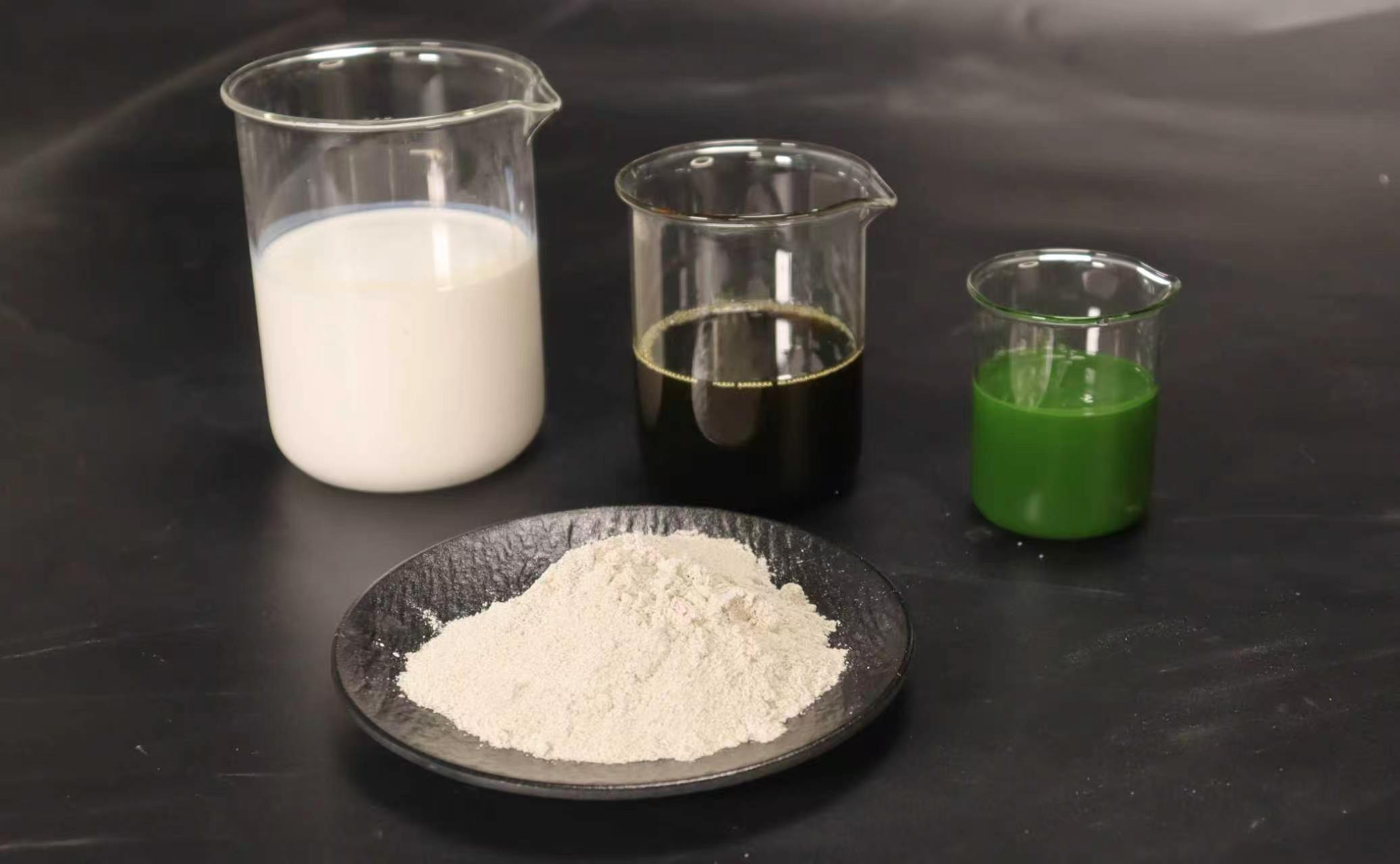
For decades, polymer-based sprays dominated the fire suppression market. They were cheap, effective in the short term, and easy to deploy. But their environmental toll—persistent chemicals leaching into groundwater, toxic fumes released during a blaze—pushed researchers to explore cleaner alternatives. Now, bio-based films are stepping into the spotlight, derived from chitosan, cellulose, or even waste from food processing. These materials don’t just smother flames; they form a lightweight, biodegradable barrier that can be engineered to respond to heat in smart ways.
The shift isn’t just about swapping one material for another. It’s about rethinking how suppression tech integrates with the spaces we live and work in. Imagine a coating that sits dormant on a warehouse ceiling for years, then releases a cooling mist only where the fire is hottest. Think of films that can self-heal minor scratches, extending their functional life without maintenance. Early prototypes are being tested that combine hydrogels with natural flame retardants, creating systems that are both passive and active—a major leap forward from the old spray-and-forget mindset.
What’s coming next might blur the line between material science and real-time monitoring. Teams are exploring films embedded with sensors that track temperature, smoke, and structural integrity, relaying data before a fire even starts. Others are working on additives that make bio-based films electrically conductive, so they can route signals or trigger alarms. The goal is a fully circular system: a film that grows from renewable feedstocks, prevents fires intelligently, and degrades without a trace once its job is done. It’s a quiet revolution, but one that could reshape how we protect both buildings and the planet.
Unseen Heroes: How Dust Suppressants Are Reshaping Urban Construction Sites
In the heart of a bustling city, where scaffolding climbs skyward and jackhammers provide a relentless soundtrack, a quiet transformation is taking place. It’s not the cranes or the steel beams drawing attention, but something far less visible: the deliberate application of dust suppressants. These compounds—often sprayed as a fine mist over exposed soil, demolition rubble, or unpaved haul roads—bind fine particles together, preventing them from becoming airborne. Unlike the dramatic scene of a water truck dousing a site, modern suppressants work on a chemical level, creating a crust or altering the surface tension so that dust simply cannot lift. The result is a worksite where the air stays clearer, even during the most aggressive earthmoving phases, allowing construction to buzz along without enveloping neighboring streets in a perpetual haze.
What makes these suppressants truly remarkable is their adaptability and subtlety. Early attempts at dust control often relied on constant watering, which demanded immense volumes of water and left behind muddy, slippery messes. Today’s formulations range from polymer emulsions to lignosulfonates and even plant-based resins, each selected based on soil type, weather conditions, and the expected duration of suppression. Some create flexible, durable surfaces that can withstand light traffic; others are designed to gradually degrade without leaving harmful residues. Site managers now tailor their approach with precision, treating only the most active areas and adjusting the concentration as needed. This shift has slashed water usage dramatically and eliminated the need for repeated applications, turning dust management from a reactive chore into an integrated, strategic part of construction planning.
Beyond the obvious benefits of improved visibility and reduced equipment wear, the ripple effects are reshaping how urban projects are perceived by the people living around them. In the past, construction sites were synonymous with gritty air that triggered respiratory complaints and coated balconies with a thin film of particles. With suppressed dust, the immediate neighborhood stays cleaner, and the chronic low-level irritation that fuels public opposition dissipates. Health statistics from long-term projects now show a measurable drop in complaints related to asthma and allergies among adjacent residents. The technology, though largely unseen, is a silent negotiator—allowing dense urban renewal to proceed without the friction that typically accompanies it. In that sense, dust suppressants aren't just chemicals; they’re quiet enablers of a more livable cityscape.
Counting the True Cost: Health, Productivity, and the Green Bottom Line
When businesses ignore the hidden price tags of environmental negligence, they often overlook two critical line items: employee health and operational productivity. Polluted air, toxic materials, and wasteful processes don't just harm the planet—they directly increase sick days, lower cognitive function, and chip away at team morale. A factory floor with poor ventilation might save on immediate upgrades, but the resulting respiratory issues among workers translate into higher healthcare claims, more absenteeism, and a noticeable drag on output. These aren't externalities; they're deferred costs that eventually land on the balance sheet, quietly eroding profitability under the guise of cutting corners.
The connection between sustainability and productivity runs deeper than many leaders assume. Studies have shown that offices with better natural light, improved air quality, and access to green spaces consistently report sharper decision-making and faster task completion. It turns out that a greener footprint often means a healthier indoor environment, and healthier people simply work better. When teams aren't battling fatigue triggered by poor ergonomics or off-gassing from cheap materials, their energy goes into solving problems instead of just making it through the day. Reframing operational decisions through the lens of human biology shifts the conversation from obligation to opportunity.
Ultimately, the true cost of doing business includes the invisible ledgers of well-being and long-term viability. Companies that track these metrics are finding that environmental and financial goals aren't at odds—they're two sides of the same coin. Reducing waste, sourcing safer chemicals, and redesigning workflows around circular principles often cut expenses while simultaneously reducing the toll on employees' bodies and minds. The green bottom line isn't a separate column in the accounting book; it's the result of recognizing that a prosperous enterprise can't stand on a foundation of depleted resources and weakened people.
Policy Tailwinds: How Stricter Rules Are Fueling a Boom in Sustainable Solutions
Not long ago, corporate sustainability pledges felt more like branding exercises than binding commitments. That's changing fast as governments shift from gentle nudges to concrete mandates. The European Union’s Carbon Border Adjustment Mechanism, for instance, is forcing importers to account for emissions embedded in carbon-intensive goods, effectively pricing pollution into supply chains. Across the Atlantic, the U.S. Inflation Reduction Act is pumping billions into clean energy and electric vehicle production, but it ties those funds to stringent domestic sourcing and labor standards. These aren't voluntary guidelines—they rewrite the cost-benefit equation for entire industries, making sustainable alternatives not just ethical choices but financial imperatives.
This regulatory wave is unlocking demand for solutions that barely existed a decade ago. Carbon accounting platforms, once niche tools, are now essential for companies navigating a thicket of disclosure rules like the SEC's proposed climate risk reporting. Startups specializing in low-carbon cement, textile recycling, and modular battery storage are scaling rapidly because tightened waste regulations and extended producer responsibility laws make old linear models too expensive. Even the financial sector is caught up: central banks are stress-testing loan books against climate scenarios, pressing lenders to reroute capital. In this environment, “sustainable” stops being a premium label and starts becoming the baseline requirement for market access.
On the Ground: Real-World Wins That Prove Clean Air Is Possible
Standing at a busy intersection in central London a decade ago, you'd have choked on diesel fumes and tasted the grit of pollution. Today, that same corner hums with electric buses and bicycles, the air noticeably lighter on the lungs. The Ultra Low Emission Zone didn't just nudge behaviour—it reshaped the city's relationship with its own atmosphere. Nitrogen dioxide levels dropped by nearly half in the zone's first year, a figure that felt almost fictional to the residents who'd long accepted smog as part of urban life. What makes this win stick isn't just the policy but the visible shift: parents pushing prams past electric taxis, outdoor café tables no longer coated in black dust by noon.
Thousands of miles away, in the shadow of Delhi's chronic haze, a quieter revolution took root in the fields of Punjab. For years, the post-harvest burning of rice stubble blanketed the region in smoke so thick it could be seen from space. Then came the Happy Seeder, a tractor attachment that cuts and sows through leftover stalks without torching them. Farmers were sceptical at first—why trust a machine over the quick fire? But early adopters found their soil held more moisture and their next crop needed less water. The technology spread, not through government sermons, but through reluctant neighbours watching yields improve. Satellite data showed fire counts dropping by over 30% in pilot districts, proving that solutions don't need to be high-tech to be transformative.
Industry often wears the black hat in pollution stories, but a steel plant in Sweden flipped that narrative. By replacing coal with green hydrogen in its production process, it turned an environmental villain into a pioneer. The first pour of carbon-free steel wasn't just a technical milestone; it was a proof point that heavy industry could operate without leaving a black cloud over the surrounding towns. Workers, once desensitised to the metallic tang in the air, began opening windows during shifts. It's the kind of change that doesn't demand grand policy signals—just a company willing to treat clean air as an operational baseline rather than a distant ideal.
FAQ
China's rapid industrialization and large-scale construction projects create significant dust challenges, but also a demand for eco-friendly and cost-effective suppressants tailored to local materials and climates, driving unique innovation.
Unlike water which evaporates quickly and can create mud, advanced suppressants form a durable crust or bond with particles, offering longer-lasting control with less frequent application and reduced water usage.
One example is a bio-based suppressant derived from agricultural waste that not only binds dust effectively but also biodegrades without harming the soil, aligning with China's push for sustainable industrial practices.
They improve worker safety by reducing respiratory hazards, extend the lifespan of machinery by preventing dust ingress, and help companies comply with strict environmental regulations, avoiding fines.
Mining, construction, and logistics hubs have transformed their operations, using suppressants on haul roads and stockpiles to maintain productivity while meeting community and government air quality standards.
Field tests measure factors like dust concentration before and after application, durability under traffic or wind, and environmental impact on local water and soil, often over several weeks to ensure practical value.
Conclusion
China's approach to dust suppression is undergoing a profound shift, moving beyond conventional water spraying and chemical barriers. A quiet revolution is taking hold, driven by polymer sprays that bind particles at the source and bio-based films that create durable, eco-friendly crusts over exposed soil. These innovations are not just technical novelties—they are actively reshaping urban construction sites, where unseen suppression systems safeguard workers and nearby communities from harmful particulate matter. The shift from reactive measures to proactive, smart suppression is redefining clean air standards across the country.
But the real story lies in the compounding benefits. When we count the true cost of dust—from respiratory illnesses and lost productivity to environmental decay—the economic case for advanced suppressants becomes undeniable. Stricter environmental policies are now acting as tailwinds, accelerating demand for sustainable solutions that offer a green bottom line. On the ground, pilot projects in major cities have already delivered measurable wins: reduced PM10 levels, fewer work stoppages, and healthier neighborhoods. These real-world successes prove that clean air isn't a distant ideal; it's an achievable reality powered by persistent innovation.
Contact Us
Contact Person: Helen
Email: [email protected]
Tel/WhatsApp: 86 18630661160
Website: https://www.roadmilestone.com/