
Castor Oil Ethoxylate Explained: Best Uses and Benefits for Industrial Applications
2026-03-13
In the rapidly evolving landscape of industrial chemistry, few substances have garnered as much attention as Castor Oil Ethoxylate (COE). As industries increasingly seek sustainable, efficient, and versatile solutions, COE emerges as a game-changer, offering a unique blend of biodegradability, emulsifying power, and multifunctional properties. From enhancing formulations in paints and coatings to revolutionizing agricultural adjuvants and personal care products, its applications are as diverse as they are impactful. At POLYKEM, we are at the forefront of this innovation, leveraging decades of expertise to deliver high-quality COE tailored to meet the rigorous demands of modern industrial processes. Dive into this blog to uncover the best uses and benefits of Castor Oil Ethoxylate, and discover how POLYKEM can help you harness its full potential for your specific applications. Let's explore the science, the solutions, and the future possibilities together.
Understanding the Chemistry Behind Castor Oil Ethoxylate
Castor oil ethoxylate is derived from castor oil, a natural triglyceride rich in ricinoleic acid, which undergoes a chemical reaction called ethoxylation. This process involves adding ethylene oxide molecules to the fatty acid chains of castor oil, typically through a base-catalyzed reaction. The ethoxylation increases the water solubility and surfactant properties of the resulting compound, making it useful in various applications like emulsifiers and detergents.
The chemistry behind this compound hinges on the presence of hydroxyl groups in ricinoleic acid, which serve as reactive sites for ethoxylation. During the reaction, ethylene oxide reacts with these hydroxyl groups to form polyether chains, altering the hydrophile-lipophile balance (HLB) of the molecule. This modification enhances its functionality in industrial and cosmetic formulations by improving compatibility with both oil and water phases.
Tuning the ethoxylation degree, or the number of ethylene oxide units added, allows customization of castor oil ethoxylate for specific uses, such as in agriculture or personal care products. The resulting chemical structure, with its amphiphilic nature, provides effective surface tension reduction and stability, contributing to its versatility and widespread adoption in practical chemistry.
Key Industrial Applications Where Castor Oil Ethoxylate Shines
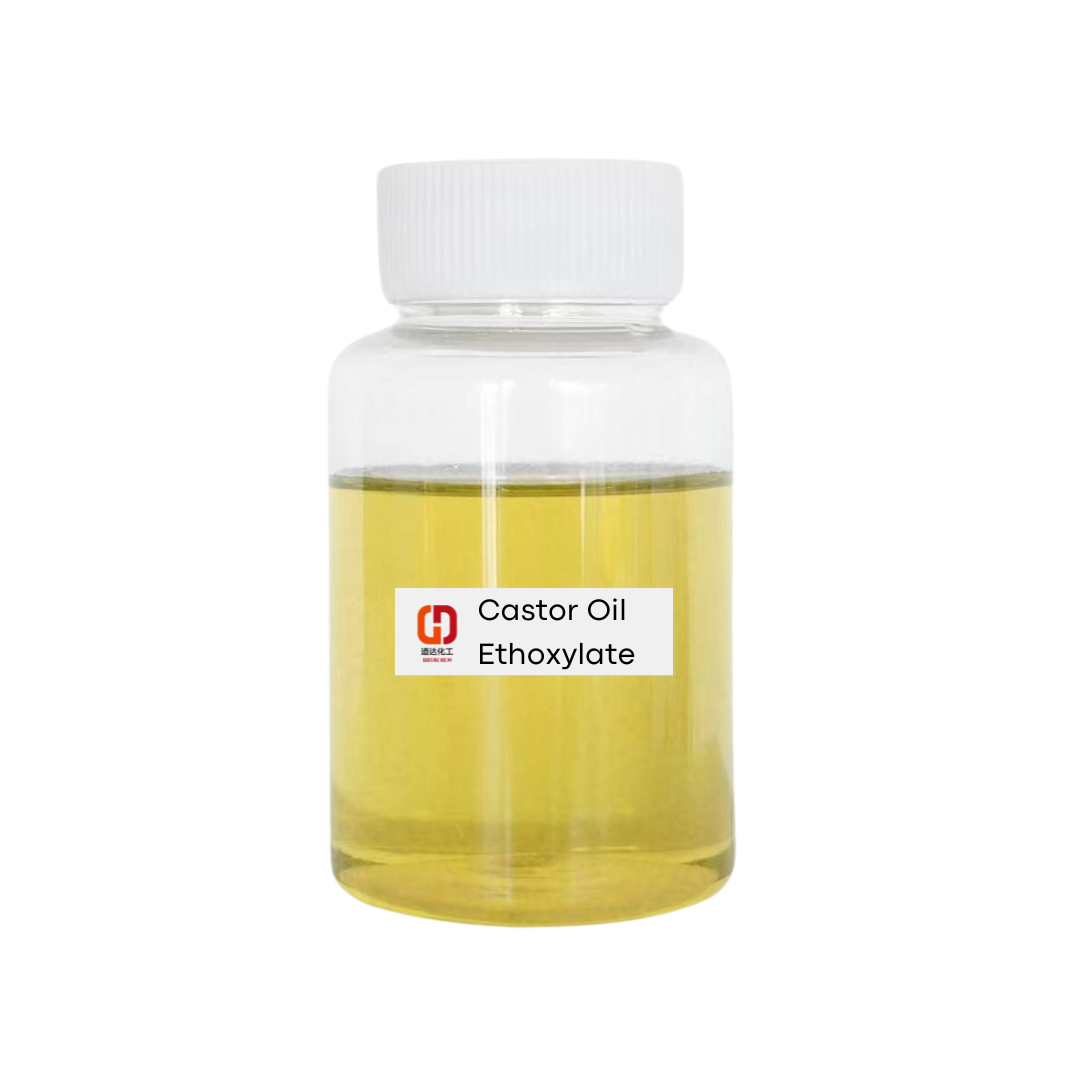
Castor oil ethoxylate stands out in numerous industrial settings due to its unique blend of biodegradability and high performance. In the textile industry, it serves as an effective emulsifier and softener, enhancing fabric quality without compromising environmental standards. Its versatility also shines in agrochemical formulations, where it improves pesticide dispersion and adhesion, boosting efficacy while minimizing ecological impact.
Another key area is personal care and cosmetics, where castor oil ethoxylate acts as a gentle yet potent surfactant, ideal for creating smooth lotions and shampoos. Its hypoallergenic properties make it a favorite for sensitive skin products, offering a natural alternative to synthetic chemicals. Additionally, in the paint and coatings sector, it functions as a reliable wetting agent, ensuring even application and durability across various surfaces.
Industrial cleaning formulations benefit greatly from castor oil ethoxylate's ability to cut through grease and grime efficiently, all while remaining non-toxic and easy on equipment. Its role in metalworking fluids helps reduce friction and prevent corrosion, extending tool life and improving safety. This compound's adaptability across these diverse applications highlights its value as a sustainable and high-performing ingredient in modern industry.
Benefits of Using Castor Oil Ethoxylate in Manufacturing Processes
When manufacturers look for versatile additives, castor oil ethoxylate often stands out due to its unique properties. Derived from castor beans, this nonionic surfactant isn't just another chemical; it's a workhorse that enhances processes across industries like textiles, cosmetics, and agriculture. For instance, in textile production, it acts as an effective emulsifier, ensuring dyes blend smoothly without leaving residues, which can reduce waste and improve fabric quality.
What sets castor oil ethoxylate apart is its biodegradability and low toxicity, making it a safer choice compared to many synthetic alternatives. In cosmetics manufacturing, this means products can be formulated with milder ingredients that still deliver excellent performance, such as stabilizing emulsions in lotions or improving the spreadability of creams. This eco-friendly edge not only aligns with sustainable practices but also appeals to consumers increasingly concerned about environmental impact.
Beyond these applications, castor oil ethoxylate offers economic benefits by enhancing efficiency. In agricultural formulations, it helps pesticides and herbicides adhere better to plant surfaces, reducing the frequency of applications and potentially lowering costs. Its ability to work under various pH levels and temperatures adds to its reliability, ensuring consistent results in diverse manufacturing setups without requiring complex adjustments.
How Castor Oil Ethoxylate Enhances Product Performance and Stability
Castor oil ethoxylate boosts product performance by improving solubility, making ingredients blend seamlessly and enhancing overall efficacy.
Its unique structure increases stability by preventing separation and degradation, even under varying conditions, ensuring products remain consistent.
This natural-derived additive also enhances viscosity control and reduces foaming, contributing to a reliable user experience and longer shelf life.
Environmental and Safety Advantages of This Versatile Compound
In today's landscape of chemical innovation, the versatile compound stands out for its eco-friendly properties that significantly reduce environmental impact. Unlike many traditional alternatives, it boasts a low toxicity profile and biodegradable nature, making it a safer choice for ecosystems. For instance, its production process minimizes hazardous by-products, which helps conserve water quality and soil health. These features not only align with global sustainability goals but also offer practical benefits in reducing waste and pollution.
Safety is a paramount concern in both industrial and consumer applications, and this compound excels with its non-flammable and stable characteristics. It eliminates risks associated with volatile substances, such as accidental fires or harmful emissions, ensuring a safer working environment. In household products, its gentle formulation reduces skin irritations and respiratory issues, providing peace of mind for users. This safety profile is backed by rigorous testing, making it a reliable option that prioritizes human health without compromising performance.
Looking ahead, the compound's adaptability further enhances its environmental and safety benefits. It can be tailored for specific uses, such as in green building materials or renewable energy systems, where its durability and low maintenance reduce long-term ecological footprints. By fostering innovation in sustainable sectors, it sets a benchmark for responsible compound design, encouraging a shift towards safer and cleaner industrial practices worldwide.
Innovative Uses and Future Trends for Castor Oil Ethoxylate
Castor oil ethoxylate, a versatile surfactant derived from castor beans, is gaining traction across industries due to its eco-friendly profile and adaptability. Currently, it finds innovative applications in personal care, where it enhances the mildness and moisturizing properties of shampoos and creams, and in agriculture, as a biodegradable emulsifier in pesticide formulations that reduce environmental impact.
Looking ahead, future trends point toward expanding its role in green chemistry, with potential uses in biodegradable plastics and advanced water treatment systems that prioritize sustainability. As companies seek alternatives to petroleum-based products, the demand for castor oil ethoxylate is expected to rise, driving research into more efficient production methods and broader functional applications.
Moreover, with increasing consumer and regulatory pressure for safer ingredients, this compound is poised to become a cornerstone in developing next-generation industrial and consumer products, highlighting its long-term relevance in a world shifting toward renewable resources.
FAQ
Castor Oil Ethoxylate is a non-ionic surfactant derived from castor oil through ethoxylation, where ethylene oxide is added to enhance its water solubility and performance in various formulations.
It's widely used in the textile industry as a wetting agent, in agrochemicals for emulsifying pesticides, and in personal care products for its mild and biodegradable properties.
Its advantages include excellent emulsifying ability, low toxicity, biodegradability, and compatibility with a range of formulations, making it a sustainable and versatile choice.
It maintains stability across a broad pH range and moderate temperatures, though performance may vary with specific grades and concentrations in harsh environments.
Yes, by adjusting the degree of ethoxylation during production, manufacturers can tailor its properties like solubility and viscosity to meet targeted application requirements.
While generally safe, it's advisable to use proper protective equipment and follow disposal guidelines, as it's biodegradable but may require specific handling in large-scale industrial settings.
Conclusion
Castor oil ethoxylate, derived from the ethoxylation of castor oil, presents a fascinating blend of natural and synthetic chemistry that makes it a standout performer in industrial contexts. By combining the hydrophobicity of castor oil with the hydrophilic ethylene oxide chains, this compound achieves a unique amphiphilic structure, enabling effective emulsification, wetting, and dispersing properties. This chemical versatility underpins its key applications across industries such as textiles, agrochemicals, paints, and personal care, where it acts as a surfactant to enhance product consistency and uniformity. In manufacturing processes, it offers significant benefits like improved mixing, reduced foaming, and cost efficiency, ensuring smoother operations and superior end-products.
Beyond performance, castor oil ethoxylate contributes to product stability by preventing phase separation and maintaining homogeneity, which is crucial in long-lasting formulations. Its environmental and safety advantages further elevate its appeal, being biodegradable and less toxic than many petroleum-based alternatives, aligning with green chemistry trends. Looking ahead, innovative uses are emerging in sectors like pharmaceuticals and renewable energy, with future trends pointing toward tailored molecular designs for specific applications. As industries seek sustainable and high-performing solutions, this versatile compound is poised to play an increasingly vital role, demonstrating that nature-inspired chemistry can drive industrial excellence.
Contact Us
Contact Person: Levi
Email: [email protected]
Tel/WhatsApp: +86 532 84688720
Website: https://www.polykem-intl.com