

Best Corn Processing Machine for Efficient Maize Milling and Grinding
2026-11-16
Maize milling isn't just about grinding corn—it's about consistency, speed, and yield. Yet many processors still struggle with machines that clog, overheat, or leave too much unprocessed grain. That's why choosing the right corn processing machine matters more than ever. At PINGLE, we've seen how the right equipment can turn a bottleneck into a breakthrough. Ready to see what efficient maize milling and grinding really looks like? Let's dig in.
What Separates a Genuine Workhorse from a Disappointing Corn Processor
A machine that actually earns the label "workhorse" doesn't announce itself with flashy specs. It shows up day after day, season after season, without demanding more than basic upkeep. The first thing you notice is how it handles wet corn, dry corn, or the occasional rock that sneaks in. A genuine workhorse chews through those surprises with barely a grumble, while a disappointing processor stalls, plugs, or spits out jagged half-crushed kernels that you'll find later in the bin.
Build quality tells you a lot before you even start the engine. Look at the welds on the hopper, the thickness of the auger flighting, the way the bearings are shielded. The real difference is in the unglamorous parts: the shear bolts that actually shear, the screens that swap out without a torch, the chain tensioner that doesn't need a pry bar. When those details are neglected, you get a machine that works fine for the first ten loads and then becomes a daily fight.
Throughput numbers matter less than consistency. A workhorse might not have the highest advertised bushel-per-hour rating, but it holds a steady speed without overheating, and the finished product looks the same at hour one and hour ten. A disappointing processor will give you perfect corn for an hour, then gradually drift out of adjustment, leaving you with half-shelled cobs or excessive fines. That slow degradation forces you to stop, tweak, and babysit—exactly what a workhorse is supposed to save you from.
The Grinding Chamber Design That Multiplies Output Without Extra Horsepower
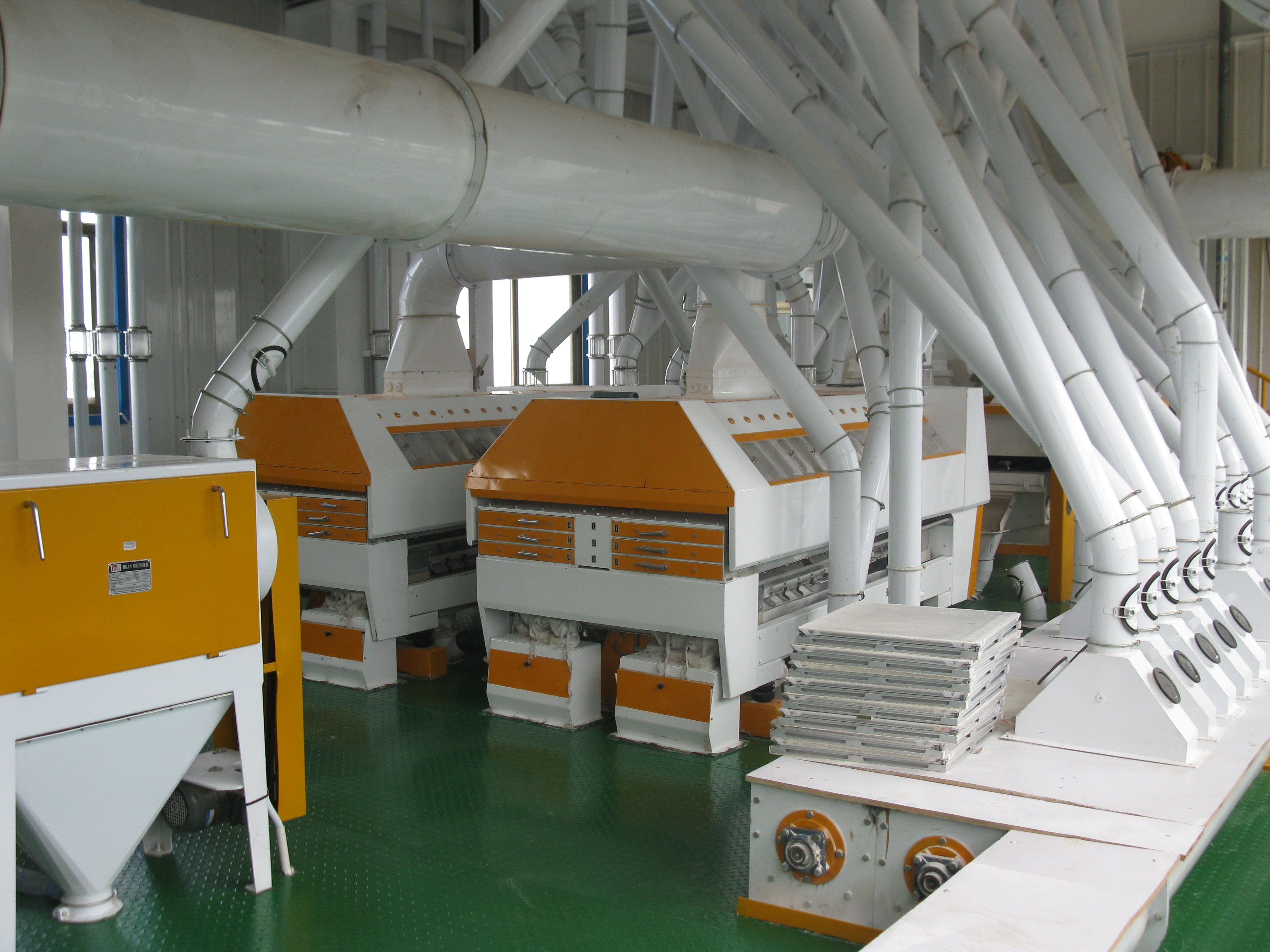
The real bottleneck in most grinding setups isn't the motor—it's how material moves through the chamber. A chamber that forces particles into repeated, high-shear collisions before they can exit naturally converts the same rotational energy into far more usable work. By reshaping the internal baffles and altering the exit path, you can make a single pass behave like multiple passes, effectively doubling throughput without touching the drive system.
One overlooked trick is to create a brief pressure differential inside the chamber, which keeps the charge dense around the grinding media instead of letting it scatter toward the walls. This compresses the active grinding zone and shortens the average particle residence time needed for the same fineness. The result is a chamber that feels larger than its physical dimensions, delivering a finer grind at a faster clip while the amp draw stays flat.
Small changes to the chamber's discharge throat can also shift the burden from motor power to mechanical advantage. A slight taper or an offset opening forces coarser particles to recirculate internally, while only the properly sized material escapes. This self-classifying behavior means the mill works smarter, not harder—pulling more finished product out of the same input energy without any upgrade to the drive or gearbox.
Dry or Wet Milling: Picking the Method That Matches Your End Product
The choice between dry and wet milling rarely comes down to which technique is superior in a vacuum—it depends almost entirely on the physical and functional demands of the material you want to end up with. Dry milling tends to shine when the target particle size is moderate to coarse, and when introducing moisture would create downstream headaches like caking, premature hydration, or microbial instability. It also keeps the process shorter and less capital-intensive, though the friction-generated heat can be a real problem for heat-sensitive starches, proteins, or encapsulated flavors.
Wet milling steps in when the final product needs a very fine, narrow particle size distribution or when the material will remain in a liquid suspension anyway. The liquid carrier absorbs heat, suppresses dust, and often allows more aggressive size reduction without damaging delicate components. The trade-off is that you now have to remove that liquid later, which adds drying time, energy costs, and another point where consistency can drift if not carefully controlled.
A more practical way to decide is to work backward from the last step before packaging or formulation. If the end product is a dry mix, a powdered coating, or a blend that must stay free-flowing, dry milling usually keeps the process lean and predictable. If the end product is a slurry, a smooth emulsion, or a dispersion where fine particle size drives texture, bioavailability, or reaction speed, wet milling tends to earn its extra cost in downstream performance.
Simple Upkeep Routines That Add Years to Your Maize Milling Machine
每天收工前花十分钟清理机器表面的玉米粉尘,尤其是喂料斗、出料口和轴承座周围。用软毛刷扫掉堆积物,再用微湿的布擦拭外壳。别用水管直接冲,水分渗进密封圈会加速轴承生锈。如果粉尘已经结块,先用木片刮掉再刷。
每周检查磨辊或磨盘的工作间隙。玉米品种和含水量不同,间隙需要微调。用手转动皮带轮感受阻力是否均匀,发现异响就停机,拆开防护罩看看有没有碎粒卡在缝隙里。润滑点加注油脂时只加到旧脂微微挤出即可,过量反而会引起运转发热。
每月用张力计或拇指按压法检查传动皮带,皮带中部下沉量超过半英寸就该调整或更换。同时确认电机底座螺栓没有松动,机器四角保持水平。准备一个小本子记录每次调整的日期和现象,连续几个月的数据能帮你提前发现磨损趋势,而不是等停机了才着急。
Inside the Machine: How Quality Components Turn Kernels into Consistent Flour
The first real test happens long before any roller touches the kernel. Inside the machine, tempered wheat moves through a break system where fluted rolls with carefully matched corrugations peel the outer bran away in stages. The gap between those rolls isn't set once and forgotten; it changes with kernel size, moisture, and the miller's target extraction. A single worn bearing or a slightly loose roll can throw off the entire particle distribution, so the consistent flour starts with components that hold their setting under load.
After each break passage, the stock falls into a plansifter. Here the difference between a mediocre run and a steady one often comes down to the sieve frames and their tensioning hardware. If a sieve sags even a few millimeters, fine flour leaks into the coarse fraction and the next grinding stage gets contaminated. Quality components keep the screens taut and the cleaning balls bouncing, so every separation happens at the intended micron range. Air currents through purifiers then lift light bran particles away, but that lift only works predictably when fan bearings and duct joints stay sealed.
Further down the line, smooth reduction rolls take over. Their job isn't to cut but to compress the endosperm into fine flour without overheating it. Chilled iron rolls with a consistent hardness profile, mounted on precision-ground shafts, give that slow, even pressure. Paired with reliable scrapers and feed rollers, they turn the middlings into a uniform grind. In the end, the machine's consistency is just the sum of these quiet mechanical details: a roll that doesn't drift, a sieve that doesn't sway, and a drive that doesn't slip.
From Small Batches to Full-Scale Production: Sizing Your Corn Mill Correctly
Starting with a bench-top mill for test batches often feels safe, but it rarely survives contact with real demand. The moment a bakery or snack brand moves from recipes to repeat orders, undersized equipment forces extra shifts, inconsistent grind, and heat buildup that damages flavor. Watch for the signs: if your mill runs more than six hours a day just to keep up, or if you’re already planning a second unit within the first year, you’ve outgrown the initial footprint.
Sizing correctly means working backward from your most ambitious realistic week, not your average one. For maize-based products, a good rule of thumb is to leave 25–30% headroom above current peak capacity. That spare margin absorbs seasonal spikes and lets you take on a sudden wholesale order without pushing the motor past its duty cycle. Modular mills with swappable screens and adjustable roller gaps offer a middle path—start with a smaller motor, then upgrade the drive and add a second grinding stage when volume justifies it.
FAQ
Focus on motor power relative to hopper size, the material of the grinding plates or hammers, and how easily the chamber opens for cleaning. A machine with lower RPM but higher torque often handles hard maize better than a high-speed unit that stalls under load.
Daily cleaning of residual flour and grit prevents caking and rust. Weekly checks on belt tension and bearing play are worth the time, and lubricating moving parts monthly keeps things smooth. Replace wear parts like hammers or plates after roughly 200 to 300 running hours, or sooner if output drops noticeably.
Most dry milling units struggle with wet maize because moisture clogs the screens and makes the flour sticky. If you plan to process wet or soaked maize regularly, look for a model explicitly designed for wet milling, or keep a separate grinder for dry grain to avoid downtime.
A 7.5 kW motor paired with a 300 mm grinding chamber typically delivers 150 to 300 kilograms per hour, depending on desired fineness and maize moisture content. The nameplate capacity usually assumes ideal conditions, so expect about 70 percent of that figure in daily operation.
Adjustment usually happens by changing the gap between grinding plates or swapping screens with different hole sizes. You can go from coarse grits for animal feed down to fine flour for baking, but pushing for very fine output will reduce throughput and increase heat, so it is a trade-off.
Uneven particle size often comes from worn plates, inconsistent feeding, or maize with varying moisture levels. Replace or resurface the plates first, then test with a steady feed rate and grain that has been dried uniformly. If the problem persists, check whether the rotor is balanced and the shaft is not bent.
Electric models are quieter, cheaper to run where grid power is stable, and easier to start. Diesel versions make sense in remote areas or places with frequent outages, but they need more attention for fuel quality, exhaust, and cooling. The grinding mechanism itself is often the same.
Overheating starts when the feed rate is too low or the grinding gap is too tight for the moisture level. Keep the hopper at least half full, allow air to circulate around the machine, and pause for ten minutes every hour during continuous fine grinding. If the flour feels hot to the touch, widen the gap slightly and accept a coarser output.
Conclusion
Most corn processors fail quietly: bearings wear out sooner than expected, screens clog at the worst moment, and the output never quite matches the brochure. A genuine workhorse earns its keep by handling real field conditions—slightly oversized kernels, occasional stones, and long runs without complaint. The difference usually sits in the grinding chamber. A well-designed rotor and screen geometry can shear and size maize more efficiently, letting a modest motor deliver the throughput of a much larger machine. Whether you choose dry or wet milling changes the machinery requirements, not just the end product. Dry milling suits shelf-stable flours and grits, while wet milling unlocks starches and yields finer textures for porridges or fermented foods. The right choice depends on what your buyers actually want and how much post-grind drying you can manage.
Upkeep is where mills earn back their purchase price. Daily cleaning of the hopper, periodic inspection of the hammers or plates, and watching for play in the drive shaft prevent small issues from becoming breakdowns. Quality components inside the machine—hardened steel hammers, balanced rotors, and precision-machined screens—turn kernels into consistent flour instead of a mix of coarse bits and dust. Sizing also matters more than horsepower. A small batch operation needs quick changeovers and easy access for cleaning, while full-scale production demands continuous feed, heat management, and a mill that can hold tolerances over an eight-hour shift. Matching the mill's capacity to your real volume, not your aspirational volume, keeps wear even and flour quality steady.
Contact Us
Contact Person: Jiakuo Wu
Email: [email protected]
Tel/WhatsApp: +86-13011566087
Website: https://www.pinglemachine.com