

Alloys Factory: Discovering Precious Metals for Advanced Manufacturing
2026-02-23
Imagine a world where every advanced manufacturing process relies on the perfect alloy—stronger, lighter, and more durable than ever before. At GRM's Alloys Factory, we're turning this vision into reality by discovering and refining precious metals that push the boundaries of innovation. From aerospace to electronics, our cutting-edge research unlocks materials that not only meet today's demands but also inspire tomorrow's breakthroughs. Dive into this blog to explore how we're shaping the future of manufacturing, one alloy at a time. Get ready to uncover the secrets behind the metals that will define the next generation of technology.
Niche Metal Integration in High-Performance Alloys
Integrating niche metals like scandium, rhenium, and gadolinium into high-performance alloys unlocks unique properties that surpass conventional materials. These elements, often overlooked due to their rarity or cost, can dramatically enhance strength, corrosion resistance, and thermal stability. For instance, adding just a small percentage of scandium to aluminum alloys results in a finer grain structure, making them ideal for aerospace applications where weight reduction and durability are critical. This approach moves beyond traditional alloying methods, offering tailored solutions for extreme environments.
The strategic use of niche metals isn't just about boosting performance—it's about redefining material capabilities. Rhenium, for example, improves the creep resistance of nickel-based superalloys, allowing jet engines to operate at higher temperatures without compromising integrity. Similarly, gadolinium's integration can enhance neutron absorption in nuclear reactors, showcasing how these metals cater to specialized industrial needs. By focusing on such integrations, engineers can develop alloys that are not only stronger but also more adaptable to niche markets, from medical implants to energy systems.
Challenges in sourcing and processing these metals highlight the importance of innovation in alloy design. While scarcity and high costs may limit widespread adoption, advances in recycling and efficient manufacturing techniques are making niche metal integration more viable. This shift encourages a move from generic, one-size-fits-all materials to custom-engineered alloys that deliver precise performance metrics, driving progress in sectors demanding uncompromising reliability and efficiency.
Precision Sourcing of Rare Earth Elements for Industry
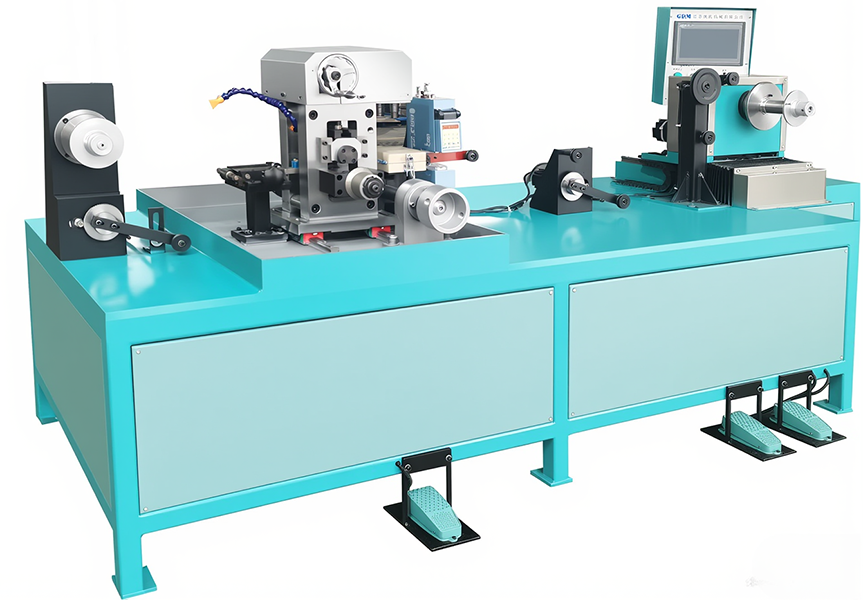
Industries today face mounting pressure to secure reliable supplies of rare earth elements (REEs), critical for everything from smartphones to electric vehicles. Precision sourcing emerges as a strategic approach, moving beyond traditional bulk procurement to target specific elements with pinpoint accuracy. This method involves detailed geological assessments, advanced extraction technologies, and real-time market analysis to match industrial needs with optimal sources, reducing dependency on volatile global supply chains and ensuring consistent quality for demanding applications.
By leveraging data analytics and sustainable practices, precision sourcing enhances traceability from mine to manufacturer, addressing ethical and environmental concerns. Companies can now collaborate directly with specialized suppliers, tailoring contracts to prioritize elements like neodymium for magnets or europium for displays. This not only mitigates risks of shortages but also fosters innovation, as industries gain access to consistently pure materials that drive advancements in renewable energy, defense, and electronics sectors.
The shift toward precision sourcing is reshaping how industries approach resource management, emphasizing agility and foresight. It enables proactive responses to geopolitical shifts and regulatory changes, creating resilient supply networks that support long-term growth. As demand for REEs surges, adopting this targeted strategy becomes a key differentiator, empowering companies to maintain competitive edges while contributing to a more sustainable and efficient global economy.
Innovative Alloy Formulations for Aerospace Applications
The relentless pursuit of lightweight yet durable materials has long driven aerospace engineers to push the boundaries of metallurgy. Today, innovative alloy formulations are at the forefront, enabling aircraft to soar higher, faster, and more efficiently. These advanced materials are crafted through precise elemental combinations—often incorporating elements like scandium or zirconium in aluminum matrices—to enhance properties such as strength-to-weight ratios, corrosion resistance, and thermal stability. By tailoring microstructures at the atomic level, these alloys can withstand extreme conditions from sub-zero cruising altitudes to the intense heat of re-entry, making them indispensable for everything from commercial jets to cutting-edge spacecraft.
What sets these formulations apart is their ability to integrate multifunctionality directly into the material's core, rather than relying on additional coatings or treatments. For instance, next-generation titanium alloys are being engineered with self-healing capabilities that can automatically repair microscopic cracks under stress, dramatically extending component lifespans and reducing maintenance downtime. Meanwhile, nickel-based superalloys infused with rare-earth elements are revolutionizing turbine blade design by allowing engines to run hotter and more efficiently, thereby slashing fuel consumption and emissions. This shift from passive to active material systems marks a pivotal evolution in how aerospace structures are conceived and maintained.
Looking ahead, the synergy between computational modeling and experimental synthesis is unlocking even more groundbreaking possibilities. Researchers are now designing alloys via AI-driven simulations that predict optimal compositions before a single sample is cast, accelerating development cycles from years to months. This approach has led to the discovery of entropy-stabilized alloys—complex mixtures of multiple principal elements—which exhibit unprecedented toughness and fatigue resistance. As these innovations mature, they promise to redefine aerospace standards, enabling lighter airframes, longer mission durations, and the exploration of environments previously deemed too harsh for conventional metals.
Custom Metal Blends for Medical Device Manufacturing
When it comes to medical device manufacturing, the benefits of custom metal blends extend far beyond simply meeting basic specifications. These tailored compositions allow designers to fine-tune key material characteristics like ductility, fatigue resistance, and corrosion protection—ensuring devices such as surgical instruments or implantable components maintain peak performance in diverse biological environments.
A standout advantage is the ability to incorporate rare or novel elements, such as platinum or specific nickel-titanium alloys, which enhance functionalities like shape memory or magnetic resonance imaging compatibility. This flexibility empowers developers to push the boundaries of innovation, crafting materials that not only comply with stringent regulations but also support groundbreaking medical applications without the constraints of off-the-shelf options.
Moreover, these custom blends enable manufacturers to optimize production processes, reducing waste and improving yield through precise control over alloy behavior during forming or machining. The result is more efficient manufacturing cycles and ultimately, medical devices that better serve patient needs and healthcare goals.
Sustainable Sourcing Practices in Precious Metal Production
In an era where environmental and social responsibilities are woven into the fabric of global business, the precious metal industry faces growing pressure to transform its sourcing methods. Sustainable sourcing in this context involves more than just finding new mines; it's about ensuring that every ounce of gold, silver, or platinum is extracted and processed in ways that minimize harm to ecosystems and respect local communities. This often includes implementing strict environmental protocols to reduce water pollution and deforestation, as well as partnering with certified suppliers who adhere to ethical labor standards. By adopting these practices, companies can create a transparent supply chain that reassures consumers and stakeholders about the integrity of their products.
One standout approach gaining traction is the use of blockchain technology to trace the journey of precious metals from mine to market. This innovative method provides an immutable record of each step, verifying that materials are sourced responsibly without relying solely on traditional audits. For example, some refineries now work with artisanal miners in developing regions, offering fair wages and safe working conditions while ensuring that mining activities do not fund conflicts or exploit vulnerable populations. These efforts not only enhance the credibility of the brand but also contribute to long-term economic stability in resource-rich areas, making sustainability a win-win for both business and society.
Beyond compliance, forward-thinking companies are embedding sustainability into their core strategies by investing in recycling and circular economy models. By reclaiming precious metals from electronic waste and old jewelry, they reduce the need for new mining, cutting down on energy consumption and greenhouse gas emissions. This shift towards a closed-loop system highlights how innovation can drive progress, turning what was once considered waste into valuable resources. As consumer awareness rises, those who lead with such holistic practices are poised to stand out in a crowded market, proving that ethical sourcing isn't just a trend but a fundamental pillar for future growth in the industry.
Next-Generation Alloy Testing for Automotive Breakthroughs
The automotive industry is rapidly evolving toward electric and autonomous vehicles, placing unprecedented demands on material performance. Next-generation alloy testing addresses this by integrating advanced technologies like machine learning and high-throughput experimentation, enabling precise evaluation of properties such as strength, weight, and durability under extreme conditions. This approach accelerates the development of innovative materials that enhance safety, efficiency, and sustainability in modern cars.
By leveraging methods such as in-situ microscopy and digital twins, scientists can now simulate real-world stresses and predict alloy behavior over time, reducing costly trial-and-error in production. This proactive testing framework not only shortens R&D cycles but also fosters breakthroughs in lightweight designs and corrosion resistance, crucial for extending vehicle lifespans and meeting stringent environmental regulations.
Cutting-edge testing labs collaborate across disciplines, incorporating feedback from engineers and designers to tailor alloys for specific automotive applications. This holistic strategy ensures that new materials are not only high-performing but also cost-effective and scalable, driving innovations that redefine what's possible in vehicle manufacturing and performance on the road.
FAQ
The main focus is exploring how precious metals are integrated into alloys to enhance properties for cutting-edge manufacturing applications.
It delves into case studies and innovations where metals like platinum, gold, and silver improve durability, conductivity, and efficiency in industrial processes.
This book distinguishes itself by emphasizing real-world, hands-on discoveries and practical insights rather than just theoretical concepts.
Yes, a key topic is the development of corrosion-resistant alloys using rare earth elements for aerospace and medical devices.
It offers actionable strategies and emerging trends that can directly impact product design and production efficiency in their fields.
The book outlines collaborative research methods and experimental techniques used by scientists to uncover novel material combinations.
It's tailored for engineers, researchers, and industry professionals interested in materials science and advanced manufacturing technologies.
Conclusion
Alloys Factory: Discovering Precious Metals for Advanced Manufacturing delves into the cutting-edge processes of integrating niche metals into high-performance alloys and sourcing rare earth elements with precision for industrial applications. The article highlights how these innovations drive progress in aerospace, where custom alloy formulations enhance durability and efficiency, and in medical device manufacturing, where tailored metal blends meet stringent safety and performance standards. By emphasizing sustainable sourcing practices, it addresses environmental concerns while ensuring a stable supply chain for precious metals, ultimately fostering advancements in sectors like automotive through next-generation alloy testing that enables breakthroughs in vehicle design and functionality.
The summary seamlessly connects these themes, showcasing how Alloys Factory pioneers in discovering and utilizing precious metals to push the boundaries of modern manufacturing. Through a focus on niche integration, precision sourcing, and innovative formulations, it illustrates a holistic approach to alloy development that balances technical excellence with sustainability, making it a standout resource for professionals seeking to leverage advanced materials in competitive industries.
Contact Us
Contact Person: Rayna
Email: [email protected]
Tel/WhatsApp: 86 -173 1474 6343
Website: https://www.grmrollingmill.com/