

Acrylic Dust Suppressant: The Ultimate Solution for Cleaner Air and Safer Work Environments
2026-08-19
Dust on a job site isn’t just an annoyance—it’s a health hazard and a productivity killer. The right suppressant can mean the difference between a choked worksite and one where crews breathe easier. MST has taken acrylic dust suppression to a new level, offering a solution that locks down fine particles without constant retreatments. Here’s why this technology is quickly becoming essential for cleaner air and safer work environments.
How Acrylic Binders Lock Down Dust on Busy Haul Roads
On gravel and dirt haul roads, the constant rumble of heavy trucks kicks up fine particles that hang in the air for hours. Acrylic binders tackle this by forming a thin, flexible skin over the surface. When diluted with water and sprayed onto the road, the polymer chains spread out and interlock as the water evaporates, creating a web that grips loose soil and aggregate. Unlike water alone, which dries and lets dust return, the acrylic film stays put and holds particles together even under repeated tire stress.
The binder’s real strength shows in how it handles moisture and abrasion. Once cured, the acrylic layer resists re-wetting from dew or light rain, so it won’t wash away easily. It also stretches slightly under load instead of cracking, which lets it bridge small gaps between stones. Over time, traffic grinds some of the film into the top inch of road base, bonding finer dust to larger gravel. This reduces the need for frequent re-watering and cuts down on visible plumes behind haul trucks.
Maintenance intervals depend on traffic volume and road composition, but many operators find that a single application can keep dust down for weeks rather than days. Because the binder penetrates somewhat before curing, it works from within the surface rather than just sitting on top. That deeper anchoring means less material gets kicked off by tires. For busy haul routes, this translates into fewer respray cycles and a noticeably clearer air corridor along the road’s edge.
Why Water Alone Can't Match the Staying Power of Acrylic
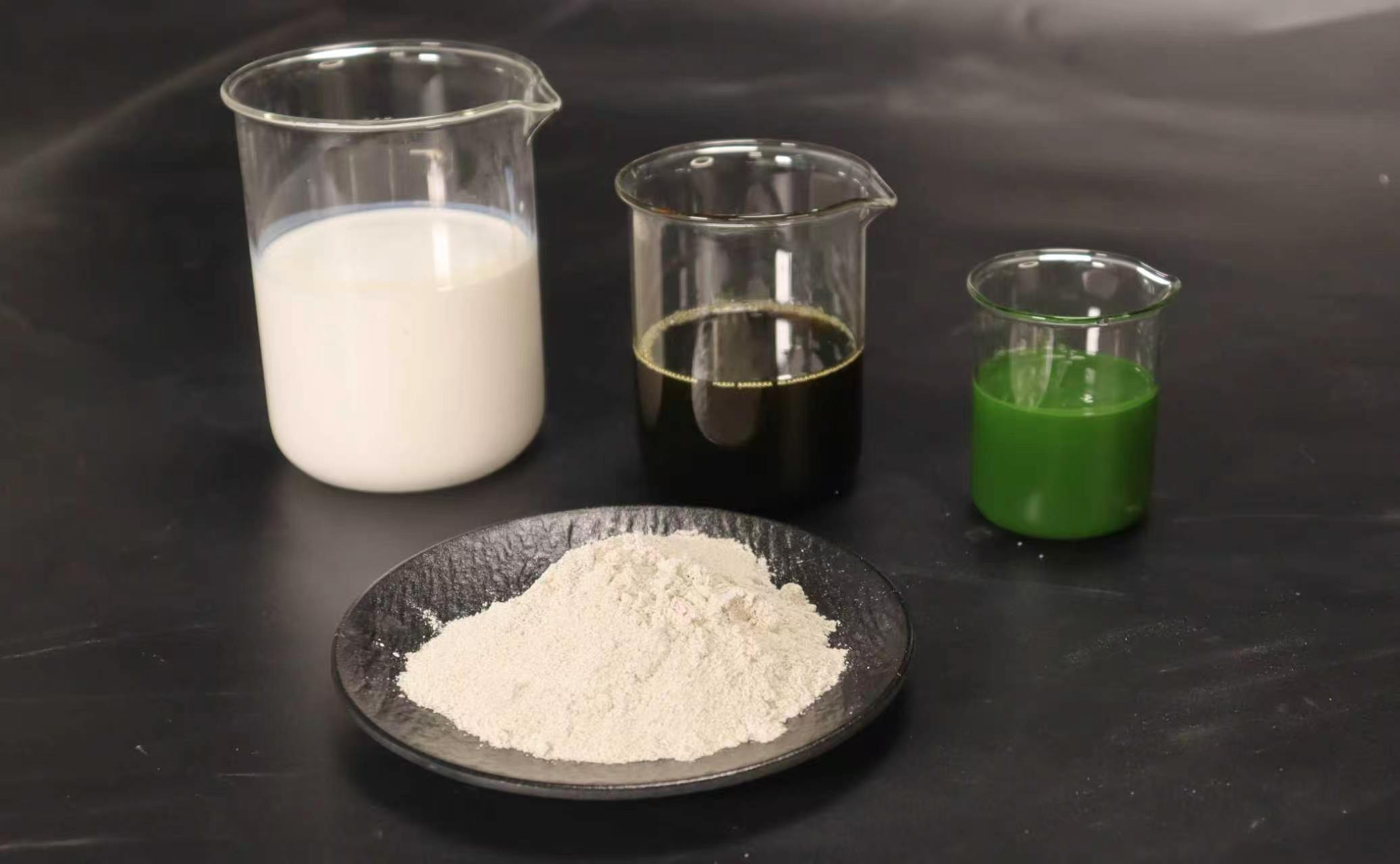
Water might seem like the obvious choice for a quick fix, but it simply evaporates and leaves the surface as vulnerable as before. Acrylic, on the other hand, forms a flexible film that locks onto the material, resisting moisture, temperature swings, and everyday wear. That’s why a water-based sealant will often fail after a few weeks, while an acrylic coating keeps its grip for months or even years.
The difference comes down to what’s left behind once the carrier fluid dries. With water, there’s nothing but a faint mineral residue. With acrylic, the polymer chains crosslink into a tough, breathable barrier that doesn’t wash away in the rain or peel under sun exposure. You can scrub it, hose it down, or let it sit through a damp winter — the acrylic stays put because it bonds at a molecular level, not just on the surface.
If you’ve ever watched a water-based treatment bead up and roll off a slightly oily or porous substrate, you’ve seen the problem. Acrylic doesn’t need a perfectly clean, dry surface to take hold; it grabs onto dust, wood fibers, concrete pores, and even old paint. That’s the staying power water can’t replicate, because water can only wet the surface, while acrylic actually becomes part of it.
What Happens to Air Quality After Switching to Acrylic
Switching from traditional solvent-based coatings to acrylic often brings an immediate, noticeable shift in indoor and outdoor air quality. The most striking change is the drop in volatile organic compounds, or VOCs, that escape into the air as paint dries. Solvent paints rely on petroleum-derived thinners that evaporate aggressively, leaving behind that sharp, chemical odor that can linger for days. Acrylic formulas, by contrast, use water as the primary carrier, so the off-gassing profile is far gentler. In practice, you might notice that a freshly painted room no longer triggers headaches, eye irritation, or that heavy, stale-air feeling. For workplaces, schools, or homes with children, this reduction in airborne irritants is often the single biggest reason to make the switch.
Beyond the initial drying phase, acrylic surfaces continue to influence air quality through their long-term stability. Solvent-based finishes can keep emitting low levels of hydrocarbons for weeks or even months as they fully cure, especially when exposed to heat or sunlight. Acrylic films, once they have coalesced and dried, tend to be more inert. They do not continuously release the same cocktail of aromatic solvents, which means the background pollution in a room stays closer to baseline. That said, the change is not always a simple win. Some acrylic formulations include small amounts of coalescing agents or preservatives that can still release trace VOCs, although at far lower concentrations. Proper ventilation during application remains important, but the lingering burden on air quality is dramatically reduced.
There is also a less obvious effect: how acrylic interacts with existing surfaces and humidity. Because acrylics are water-based, they do not react as aggressively with old solvent-based layers or certain substrates, reducing the chance of unexpected chemical byproducts. In humid environments, however, acrylic films can absorb a tiny amount of moisture, which occasionally leads to a subtle musty odor if ventilation is poor and the paint was applied too thickly. Yet compared to the persistent solvent haze from older coating systems, most people experience the switch as a breath of fresh air—both literally and perceptually. The overall trajectory is clear: fewer airborne chemicals, milder short-term smells, and a room that feels safer to occupy sooner after the paint has dried.
The Hidden Cost Savings Behind Long-Lasting Acrylic Treatments
Most buyers fixate on the upfront price per square foot, but that number hides a much bigger story. A long-lasting acrylic treatment shifts spending away from repeat short-term fixes—scaffolding rentals, overtime labor, and constant re-coating—toward a single, quieter budget line that stays flat for years.
The real savings show up in disruption. Every time a surface gets stripped and reapplied, a facility loses productive hours, blocks off access, and risks incidental damage to surrounding areas. Longer acrylic cycles mean those hidden operational costs simply don't recur, which is often worth more than the material itself.
Over a decade, the math becomes hard to ignore. One properly installed acrylic system can outlast three or four cheaper alternatives, and the avoided replacement costs—including disposal fees and procurement time—free up capital for other priorities. That's the kind of saving that never appears on the original invoice.
Comparing Acrylic to Chloride-Based Dust Control Products
Acrylic and chloride-based dust suppressants work through fundamentally different mechanisms. Chloride salts such as calcium chloride or magnesium chloride pull moisture from the air and keep road surfaces damp, which helps weigh down dust particles. This approach is simple and inexpensive, but the salts can migrate into surrounding soil, corrode vehicle undercarriages, and become less effective in arid conditions where humidity is already low. Acrylic binders, by contrast, coat and bind fine particles into a cohesive crust, relying on polymer adhesion rather than continuous moisture.
In field use, the performance gap becomes most obvious after rain or heavy traffic. Chloride-treated surfaces tend to wash out quickly and need frequent reapplication, especially on unpaved roads with regular grading. Acrylic treatments often survive several rain events because the cured polymer layer resists water penetration and holds aggregate in place. That said, acrylic products can become brittle in extreme cold or degrade under prolonged UV exposure, so local climate matters more than a simple product label suggests.
Cost comparisons are rarely as straightforward as the price per gallon. Chloride options carry hidden expenses: more frequent applications, higher corrosion-related maintenance for equipment, and potential remediation if runoff affects nearby water sources. Acrylic products usually cost more upfront and may require a clean, dry surface for proper curing, but they tend to reduce long-term labor and material use. For sites near sensitive vegetation, wetlands, or steel infrastructure, the lower salt load of acrylic products is often the deciding factor.
Simple Steps to Apply Acrylic Dust Suppressant Correctly
Start with a clean, dry surface. Any loose dirt or debris will prevent the acrylic suppressant from bonding well, so sweep or blow off the area first. If there are oily spots, give them a quick wash and let everything dry completely before you move on.
Apply the product in thin, even passes. A pump sprayer works best for smaller areas, while a backpack or tow-behind sprayer handles larger jobs without overloading the surface. Keep the nozzle moving and overlap each pass by about a third to avoid streaks or puddles. If the area looks saturated or shiny right away, you're likely putting down too much at once.
Let the first coat dry until it turns clear, usually 30 to 60 minutes depending on temperature and humidity. Then walk the area and check for thin spots, especially near edges and high-traffic lines. A second light coat fills those gaps and noticeably extends the life of the treatment. Avoid traffic for at least a few hours after the final pass, and try to keep the surface dry for a full day if possible.
FAQ
Regular water evaporates quickly and only settles dust for a short time. An acrylic suppressant is a polymer emulsion that binds fine particles into a flexible, durable crust once it dries, so dust stays locked down even after the surface looks dry.
It works well on unpaved roads, mining haul routes, construction sites, aggregate stockpiles, and even around conveyor transfer points. Any area where fine particulate matter gets kicked up by wind or traffic is a strong candidate.
Depending on traffic volume, surface porosity, and rainfall, one application can last anywhere from several weeks to a few months. That compares favorably with water trucks or salts, which often need daily or weekly reapplications.
Most acrylic suppressants are water-based and have low toxicity once cured. They reduce airborne silica and other respirable dust, which directly benefits worker health. As for equipment, the cured film is non-corrosive and won't damage tires, tracks, or painted surfaces.
The polymer film remains flexible after curing, so it can withstand repeated vehicle passes without cracking or peeling. However, high-stress areas like sharp turning zones may need more frequent touch-ups.
The product is usually diluted with water, often at ratios between 1:5 and 1:10, then sprayed with a standard water truck or hand-held sprayer. For best results, apply to a slightly damp, graded surface and avoid traffic for a few hours to let the crust form.
Once cured, the crust resists normal rainfall and wind erosion. Heavy downpours may soften the top layer slightly, but the binding effect remains mostly intact. In areas with intense seasonal storms, a light reapplication after the wet season is usually enough.
Conclusion
Haul roads take a beating from heavy trucks, and the resulting dust clouds aren't just a nuisance—they cut visibility, clog equipment, and pose real lung risks. Acrylic dust suppressants change the game by binding loose fines into a tough, flexible crust that keeps working even under steady traffic. Unlike water, which evaporates within hours and leaves the road surface brittle, acrylic polymers form long-chain films that grip aggregate particles and resist both wind and tire shear. Applying the product correctly matters just as much as the chemistry: grading the road first, then spraying a uniform coat at the right dilution lets the binder soak in and set properly. At many mine and quarry sites, the shift is noticeable within a day. Drivers report clearer sight lines, nearby communities see less dust drifting beyond the fence line, and monitors show meaningful drops in PM10 and PM2.5 levels.
The financial side is often overlooked. Because acrylic treatments can last weeks or even months depending on traffic volume, crews stop running water trucks around the clock, which cuts fuel, labor, and maintenance costs while freeing up water for other uses. When stacked against chloride-based products, acrylic has a clear edge in tough environments. Chlorides attract moisture and work for a while, but they leach out with rain, corrode metal on vehicles and structures, and can harm nearby vegetation and groundwater. Acrylic doesn't introduce those salts, and it won't wash away after a single storm. With a straightforward application process and a longer re-treatment interval, acrylic dust suppressants deliver cleaner air, safer haul roads, and lower total operating costs—all without the environmental baggage that comes with older methods.
Contact Us
Contact Person: Helen
Email: [email protected]
Tel/WhatsApp: 86 18630661160
Website: https://www.roadmilestone.com/